.jpg&width=800)





Varied Thrush
Ixoreus naevius
The Varied Thrush is a beautiful bird with bright orange and black colors. It loves to hop around on the forest floor looking for tasty insects and berries to eat.
Habitat: Forests
The Varied Thrush has a striking dark grey-blue back and head with a distinctive broad, rusty-orange breast band. Its face features a prominent black mask and collar, contrasting with the orange, and it shows two orange wing bars on dark wings.
Category
BirdsRarity
Common
Danger
1/5 · Very low
Snaps
8
During winter, Varied Thrushes sometimes gather in huge flocks to feast on juicy berries!
Some believe its slow, drawn-out whistle sounds like a ghost calling in the woods!
Their nests are often camouflaged with moss and twigs, making them super hard to spot.
This bird often stays perfectly still, then dashes to catch prey, a clever hunting trick!
Varied Thrushes can rapidly vibrate their feet on the ground, mimicking rain, which makes earthworms surface, helping them find food.
The Varied Thrush has a haunting, flute-like song, with long, single notes, that helps them communicate across dense forest environments.
Varied Thrushes have excellent vision, especially in low light, which helps them forage for insects and berries on the forest floor.
With its dark grey and rusty orange plumage, the Varied Thrush can blend seamlessly into the shaded undergrowth, helping it hide from predators.
Varied Thrushes are omnivores, enjoying a mix of insects, other invertebrates, and a variety of berries.
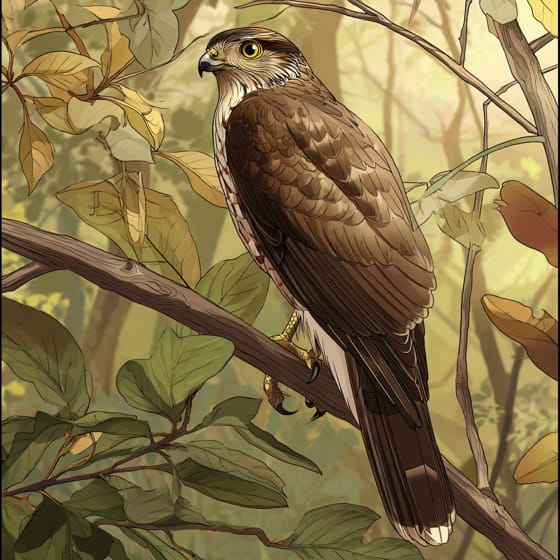
Accipiter cooperii
A common bird predator in forests.
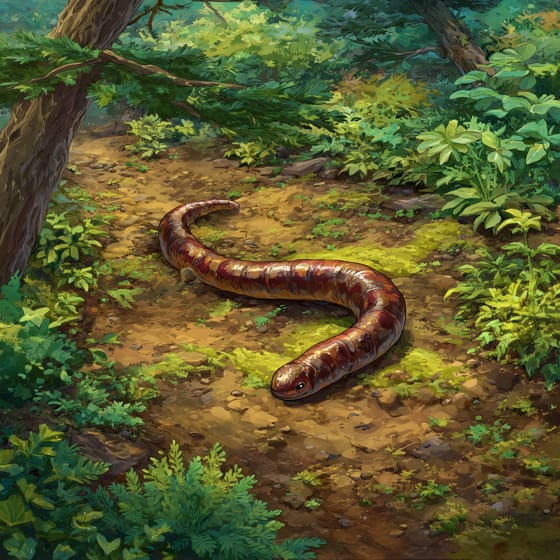
Lumbricus terrestris
A primary invertebrate prey item, found by foot-trembling.

Vaccinium parvifolium
Provides essential berries, especially in fall and winter.
Pseudotsuga menziesii
Provides nesting sites and dense cover in its forest habitat.
Feathered describes animals, primarily birds, possessing a covering of feathers.
Social animals live in organized groups, cooperating for survival benefits such as foraging, defense, and raising offspring.
Singing animals produce complex vocalizations, often for purposes of attracting mates, defending territory, or communicating within their species.
Colorful describes organisms or objects displaying a wide range of bright and distinct colors.

This trait identifies organisms whose diet primarily consists of insects and other small invertebrates.

Forest habitats are terrestrial environments dominated by dense tree cover, supporting a high diversity of plant and animal life.

Diurnal animals are primarily active during daylight hours, typically resting or sleeping at night.
No aliases listed yet.
Danger
1/5 · Very low
Always watch birds from a distance so they feel safe.
The easiest way to identify Varied Thrush is to use the Snappit nature identifier app.
20-26 cm
34-42 cm
0.065-0.1 kg
2-10 years
45 km/h
Varied Thrushes are omnivores, enjoying a mix of insects, other invertebrates, and a variety of berries.
Forests
Zoom in to split clusters and explore where this object has been snapped.

US
You might spot Bald Eagle, Common Raven, and Salmonberry.
View guide →

Washington, US
You might spot Tiger, Walrus, and Polar Bear.
View guide →

Alaska, US
You might spot Moose, Fly Agaric, and Bald Eagle.
View guide →

California, US
You might spot Western Gull, Western Fence Lizard, and Brown Pelican.
View guide →

California, US
You might spot Pacific Banana Slug, Redwood, and Elk.
View guide →

British Columbia, CA
You might spot Pacific Banana Slug and Western Sword Fern.
View guide →
Take the discovery with you
Snap it with Snappit to identify it, learn what makes it special, and add the discovery to your collection.




.jpg&width=800)







