.jpg&width=800)





Red-necked Grebe
Podiceps grisegena
The Red-necked Grebe is a beautiful bird with a striking red neck and a sharp beak. It loves to swim and dive in lakes and ponds, making it a fun bird to watch!
Habitat: Wetlands
The Red-necked Grebe has a striking rusty-red neck and dark grey body, with a contrasting black cap and bright white cheeks. Its yellow-based bill is dagger-like. This large diving bird is distinct from other grebes by its rich neck color.
Category
BirdsRarity
Common
Danger
1/5 · Very low
Snaps
3
Baby grebes often ride on their parents' backs!
Their nests float on water, anchored to plants!
They swallow their own feathers to protect their stomachs!
Unlike most birds, their legs are way at the back of their body!
Red-necked Grebes can dive over 30 feet to catch fish because of their powerful, rear-set legs and streamlined body.
Red-necked Grebes can adjust how much air is trapped in their feathers, allowing them to sink slowly or float high.
Red-necked Grebes construct nests that float on water, anchored to submerged vegetation, protecting eggs from land predators.
They primarily hunt and eat small fish, but also enjoy aquatic insects and crustaceans.
Age differences: Young are fed smaller invertebrates and transition to fish as they grow.
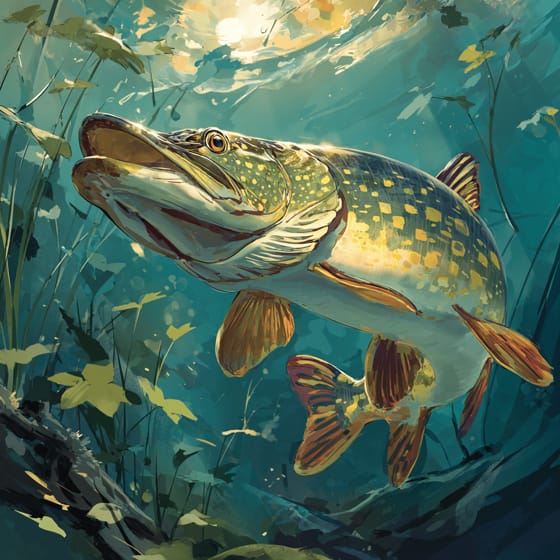
Esox lucius
Young grebes can be prey for large predatory fish.
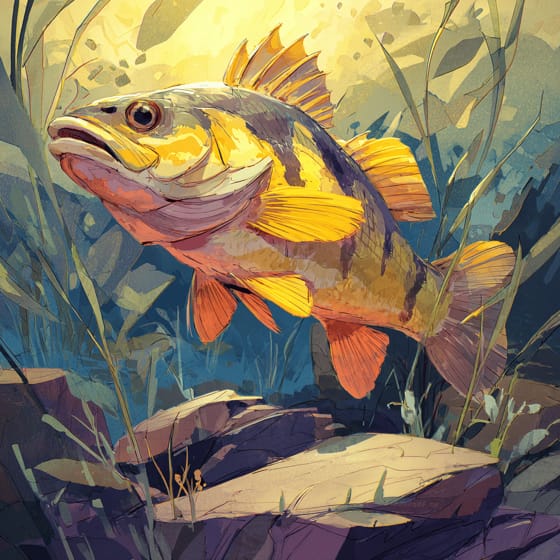
Perca flavescens
Common prey fish in freshwater habitats.
Aeshna cyanea
Grebes eat larvae of large aquatic insects.
Feathered describes animals, primarily birds, possessing a covering of feathers.
Social animals live in organized groups, cooperating for survival benefits such as foraging, defense, and raising offspring.
Colorful describes organisms or objects displaying a wide range of bright and distinct colors.
Filter feeders obtain nutrients by straining suspended food particles and small organisms from water.

Piscivorous organisms are animals that primarily subsist on a diet of fish.

Thermoregulating organisms maintain a stable internal body temperature despite fluctuations in the external environment.

This habitat trait identifies species found in wetlands, which are areas of land saturated with water, either permanently or seasonally, including marshes, swamps, and bogs.

Diurnal animals are primarily active during daylight hours, typically resting or sleeping at night.

Freshwater habitats include non-saline aquatic environments such as rivers, lakes, ponds, and wetlands, vital for numerous species.

Aquatic habitats encompass environments where organisms live predominantly in water, including oceans, rivers, lakes, and wetlands.

Migratory animals undertake seasonal movements from one region to another, typically in response to changes in climate or food availability.
No aliases listed yet.
Danger
1/5 · Very low
Always watch birds from a distance and don't disturb their nests.
The easiest way to identify Red-necked Grebe is to use the Snappit nature identifier app.
40-50 cm
77-85 cm
0.75-1.6 kg
10-15 years
60 km/h
They primarily hunt and eat small fish, but also enjoy aquatic insects and crustaceans.
Wetlands
Zoom in to split clusters and explore where this object has been snapped.

Washington, US
You might spot Sea Otter, Harbor Seal, and Northern Fur Seal.
View guide →

Michigan, US
You might spot Common Merganser, Tansy, and American Herring Gull.
View guide →
Washington, US
You might spot Octopus, Sea Otter, and Harbor Seal.
View guide →

Central Denmark Region, DK
You might spot Polar Bear, Brown Bear, and Pea.
View guide →
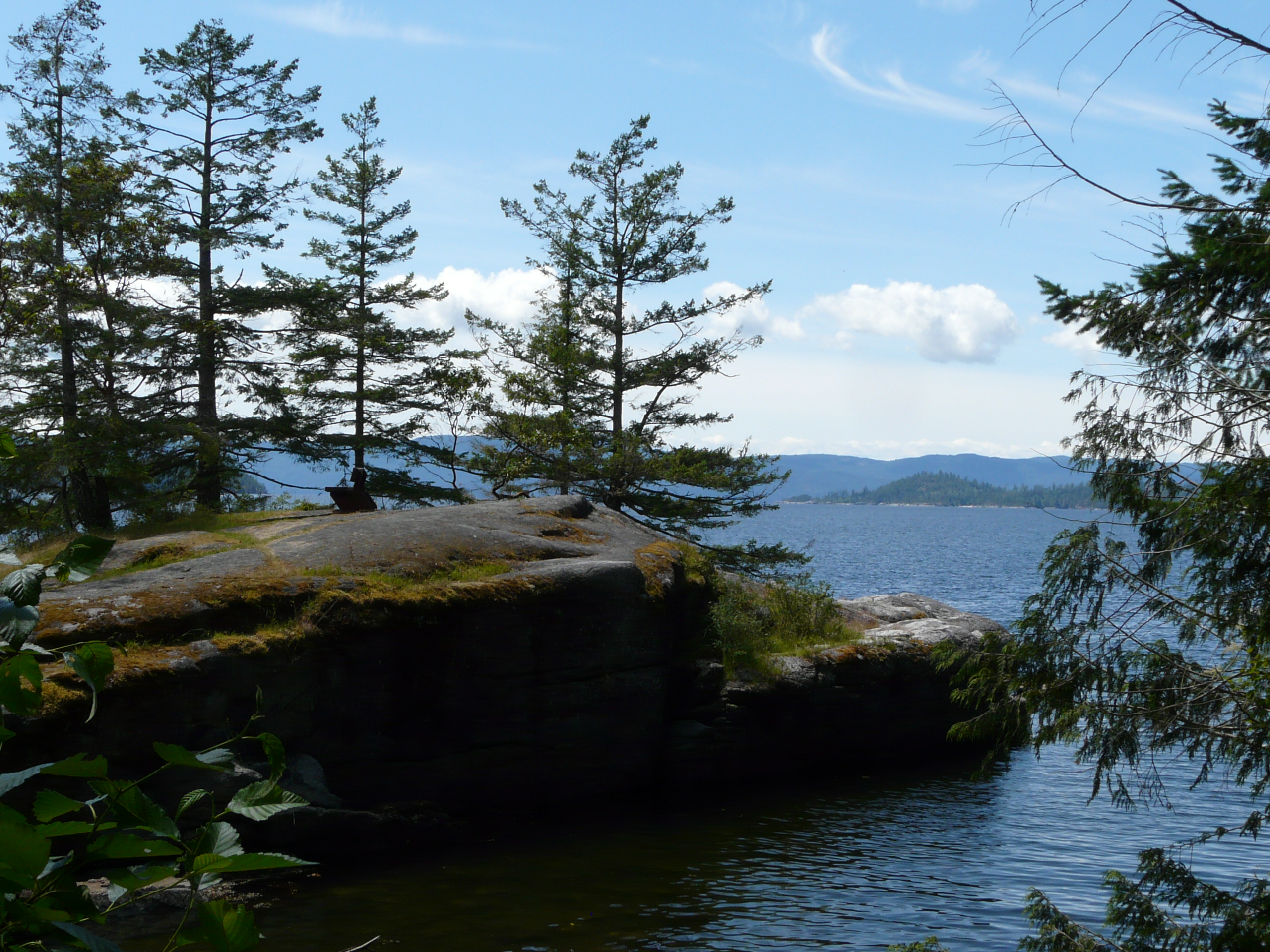
British Columbia, CA
You might spot Ochre Sea Star and Yellow Shore Crab.
View guide →

British Columbia, CA
You might spot Douglas Fir, Silverleaf Phacelia, and Rocky Mountain Maple.
View guide →
Take the discovery with you
Snap it with Snappit to identify it, learn what makes it special, and add the discovery to your collection.




.jpg&width=800)







