





Reeves's Muntjac
Muntiacus reevesi
Reeves's Muntjac is a small deer with big ears and a cute face! They are shy and love to hide in the bushes, making them hard to spot in the wild.
Habitat: Forests
The Reeves's Muntjac is a small, reddish-brown deer with a white underside and dark stripes on its face. Males are unique, sporting short, unbranched antlers alongside prominent canine teeth, often called 'tusks'. Its overall stocky build and rich coloring distinguish it.
Category
MammalsRarity
Common
Danger
2/5 · Low
Snaps
Be the first to snap!
Male muntjacs are unique among deer, having both short antlers AND sharp canine tusks!
Their calls sound surprisingly like a dog's bark, earning them the nickname 'barking deer'!
These tiny deer can even be found living secretly in city parks and gardens!
Though small, male muntjacs are fierce fighters, using their tusks and antlers to duel!
Reeves's Muntjac has a small, flexible body that helps them weave effortlessly through dense forest undergrowth.
Reeves's Muntjac can use their sharp, elongated canine teeth for defense against rivals and predators.
These tiny deer munch on leaves, shoots, fruits, and even bark from trees and bushes.
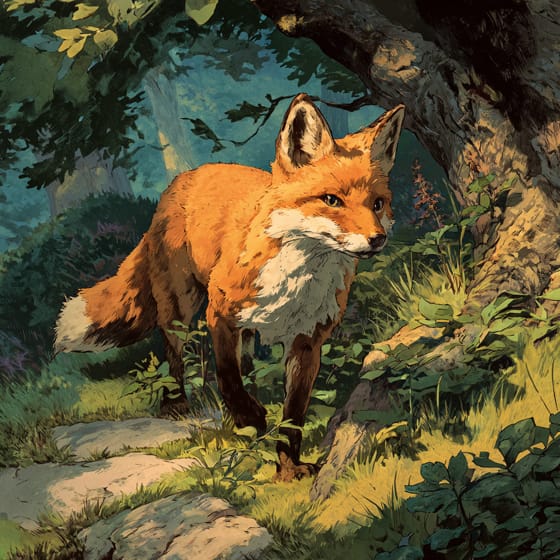
Vulpes vulpes
Red foxes prey on muntjacs, especially fawns, in introduced habitats.
Canis lupus
Wolves hunt muntjacs in their native Asian ranges.
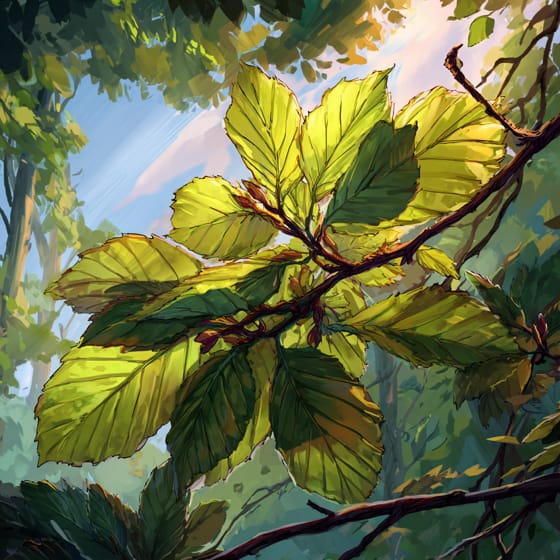
Fagus sylvatica
Muntjacs forage on leaves and bark from beech trees.
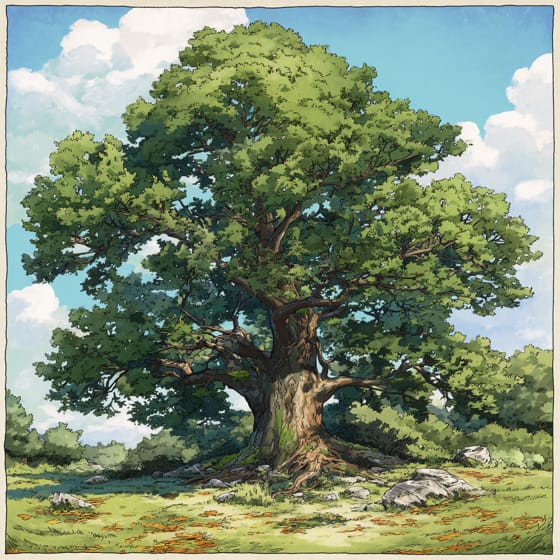
Quercus robur
Oak leaves and acorns are a food source for muntjacs.
Furry describes animals possessing a dense covering of soft hair or fur.
Solitary animals live alone for most of their lives, only interacting with others for mating or parental care.
This trait characterizes organisms whose diet consists entirely or primarily of plant material.
Forest habitats are terrestrial environments dominated by dense tree cover, supporting a high diversity of plant and animal life.

This trait identifies organisms that exhibit exceptional swiftness in movement for hunting, escape, or travel.

Endangered status indicates a species is at a very high risk of extinction in the wild in the near future.
No aliases listed yet.
Danger
2/5 · Low
If you see a wild animal, it's best to watch from a distance and not approach.
The easiest way to identify Reeves's Muntjac is to use the Snappit nature identifier app.
70-100 cm
10-18 kg
10-12 years
48 km/h
These tiny deer munch on leaves, shoots, fruits, and even bark from trees and bushes.
Forests
Foraging
Zoom in to split clusters and explore where this object has been snapped.
Recent snaps will appear here as new observations are added.
Take the discovery with you
Snap it with Snappit to identify it, learn what makes it special, and add the discovery to your collection.




.jpg&width=800)


.JPG&width=800)


.jpg&width=800)
