





Refugio Manzanita
arctostaphylos refugioensis
The Refugio Manzanita is a beautiful evergreen shrub with shiny leaves and pretty pink flowers! It provides food and shelter for many animals in its native habitat.
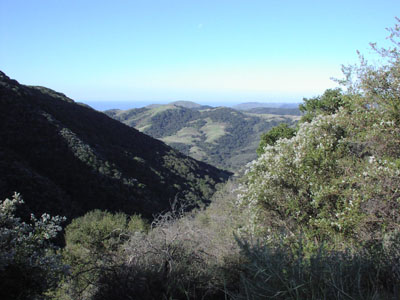
Habitat: Coastal scrub and chaparral areas in California.
The Refugio Manzanita has striking smooth, dark reddish-brown bark that peels in thin strips, creating a glossy appearance. Its small, waxy, evergreen leaves are bright green, and it produces clusters of tiny, white to pink urn-shaped flowers.
Category
PlantsRarity
Rare
Danger
0/5 · No known danger
Snaps
Be the first to snap!
Its berries were traditionally ground into a refreshing cider by native people!
Its smooth, reddish bark makes it look like it's glowing in the sun!
The word "manzanita" means "little apple" in Spanish, for its small, round fruits!
This rare plant thrives only in a tiny, unique corner of California's coast!
Refugio Manzanita can release seeds that need fire to sprout, helping it regenerate quickly after wildfires.
Refugio Manzanita has tough, leathery leaves angled to reduce sun exposure, helping it conserve precious water.
Its smooth, reddish bark sheds, which helps the plant get rid of parasites and old, dead tissue.
Bombus vosnesenskii
collects nectar and pollen from its flowers.
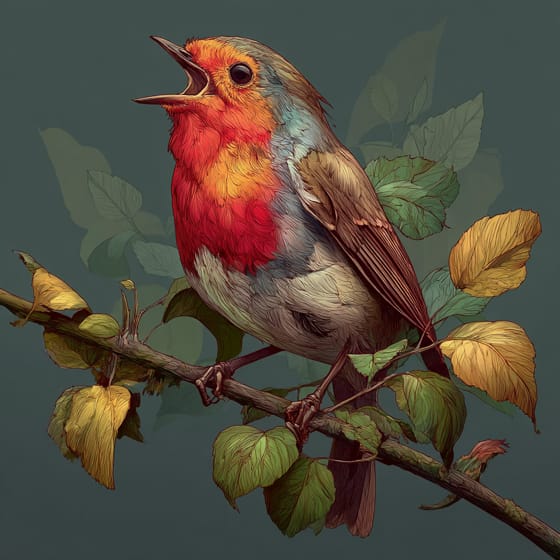
Turdus migratorius
feasts on its edible berries, spreading seeds.
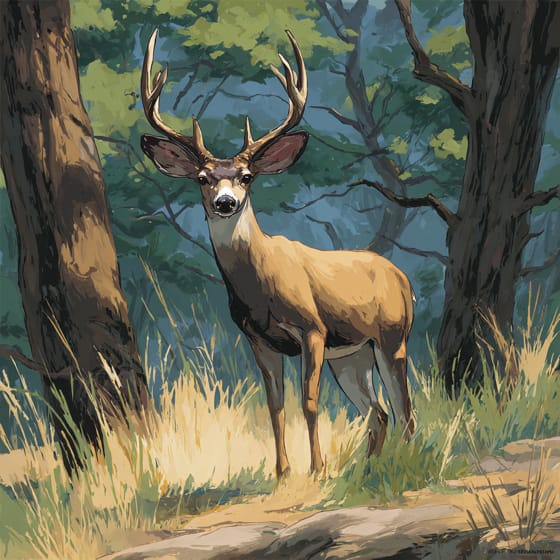
Odocoileus hemionus
browses on its leaves and tender twigs.
Apis mellifera
gathers nectar, helping the plant reproduce.
Colorful describes organisms or objects displaying a wide range of bright and distinct colors.
This trait characterizes organisms whose diet consists entirely or primarily of plant material.
Forest habitats are terrestrial environments dominated by dense tree cover, supporting a high diversity of plant and animal life.
Diurnal animals are primarily active during daylight hours, typically resting or sleeping at night.

Endangered status indicates a species is at a very high risk of extinction in the wild in the near future.
Danger
0/5 · No known danger
No special safety notes yet.
The easiest way to identify Refugio Manzanita is to use the Snappit nature identifier app.
150-300 cm
150-300 cm
0.5-0.8 cm
Late winter to early spring
Yes
None
Perennial
Zoom in to split clusters and explore where this object has been snapped.
Recent snaps will appear here as new observations are added.
Take the discovery with you
Snap it with Snappit to identify it, learn what makes it special, and add the discovery to your collection.









.jpg&width=800)



_001.jpg&width=800)




