




Regal Horned Lizard
Phrynosoma solare
The Regal Horned Lizard is a small, spiky lizard that looks like a tiny dinosaur! It can change color to blend in with its surroundings and loves to bask in the sun.
Habitat: Desert
The Regal Horned Lizard has a flattened, toad-like body, adorned with a distinct crown of sharp horns on its head. Its tan, brown, or grey coloring with darker blotches provides excellent camouflage. Spiny scales and two prominent dark neck blotches make it unique.
Category
ReptilesRarity
Common
Danger
1/5 · Very low
Snaps
Be the first to snap!
A special nasal gland helps them remove excess salt from their bodies!
Horned lizards absorb rainwater and dew directly through their spiky skin!
They sunbathe to warm up, giving them energy to hunt!
This lizard can quickly bury itself backward into the sand to vanish!
Regal Horned Lizard can squirt a stream of blood from its eyes that helps them deter predators with its foul taste and surprise.
Regal Horned Lizard has a flat body and spiky scales that help them blend perfectly with rocks and sand to avoid detection.
Regal Horned Lizard can puff up its body like a balloon that helps them look bigger and more spiky, making them harder to swallow.
Regal Horned Lizard has a crown of sharp horns on its head that helps them protect its skull from predator attacks.
This spiky lizard is an expert insectivore, mostly munching on ants and other small bugs.
Pogonomyrmex californicus
Their favorite meal!
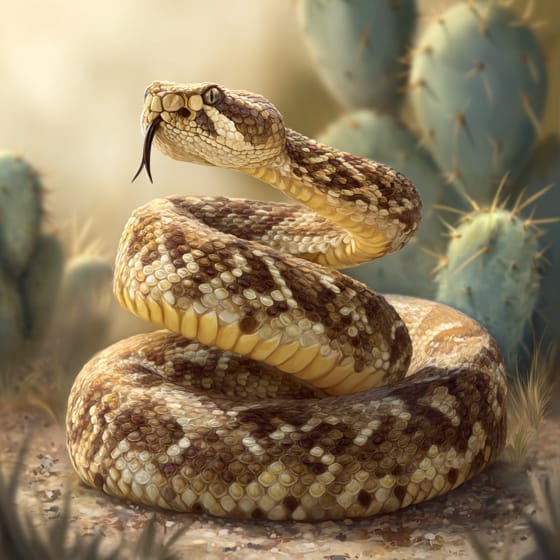
Crotalus atrox
A dangerous predator in their desert home.
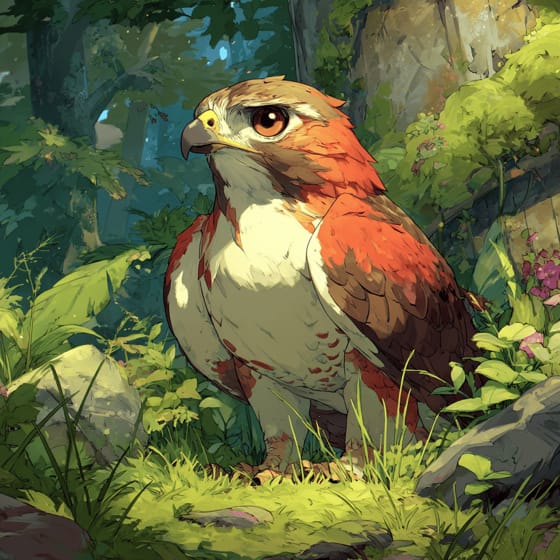
Buteo jamaicensis
Hunted by birds of prey from above.

Larrea tridentata
Hides under its shade from heat and predators.
Solitary animals live alone for most of their lives, only interacting with others for mating or parental care.
Camouflaged describes organisms that possess coloring or patterns that allow them to blend into their environment.
This trait identifies organisms whose diet primarily consists of insects and other small invertebrates.
Thermoregulating organisms maintain a stable internal body temperature despite fluctuations in the external environment.

Desert habitats are arid regions characterized by extremely low precipitation and often extreme temperatures, supporting specialized flora and fauna.

An ambush predator hunts by patiently waiting and concealing itself, then launching a sudden attack when unsuspecting prey comes within range.

Possessing sharp, pointed projections or spines on the body or surface.

Diurnal animals are primarily active during daylight hours, typically resting or sleeping at night.
Danger
1/5 · Very low
If you see a lizard, watch it from a distance and don't try to touch it.
The easiest way to identify Regal Horned Lizard is to use the Snappit nature identifier app.
8-12 cm
0.02-0.05 kg
5-8 years
10 km/h
This spiky lizard is an expert insectivore, mostly munching on ants and other small bugs.
Desert
Ambush
Zoom in to split clusters and explore where this object has been snapped.
Recent snaps will appear here as new observations are added.
Take the discovery with you
Snap it with Snappit to identify it, learn what makes it special, and add the discovery to your collection.













