





Resplendent Click Beetle
Nitidolimonius resplendens
The Resplendent Click Beetle is a shiny, colorful insect that can jump high when it flips over! It loves to hide under leaves and logs, making it a fun surprise to find in nature.
Habitat: Forests
The Resplendent Click Beetle has an elongated, somewhat flattened body, usually displaying a brilliant metallic green or blue sheen. It features distinct antennae and a segmented thorax, visually setting it apart with its striking, iridescent colors.
Category
InsectsRarity
Common
Danger
1/5 · Very low
Snaps
Be the first to snap!
Before becoming an adult beetle, they spend several years living underground as tough, worm-like larvae.
The amazing click mechanism lets them launch themselves many times their own body height into the air!
These beetles are often attracted to outdoor lights at night, making them easier for you to spot!
When a Resplendent Click Beetle lands on its back, it can make a loud 'click' sound to flip itself upright!
Resplendent Click Beetle can powerfully flip itself into the air because of a unique spine and groove, helping them escape predators.
Resplendent Click Beetle has a shimmering metallic exoskeleton that helps them blend into environments like shiny leaves or bark.
Resplendent Click Beetle has sensitive antennae that help them detect subtle vibrations and find mates or food sources.
Adults sip nectar and pollen from plants; larvae chew on roots, decaying wood, or other small things!
Age differences: Larvae (wireworms) are omnivorous, feeding on roots, seeds, and decaying wood, while adults primarily consume nectar and pollen.
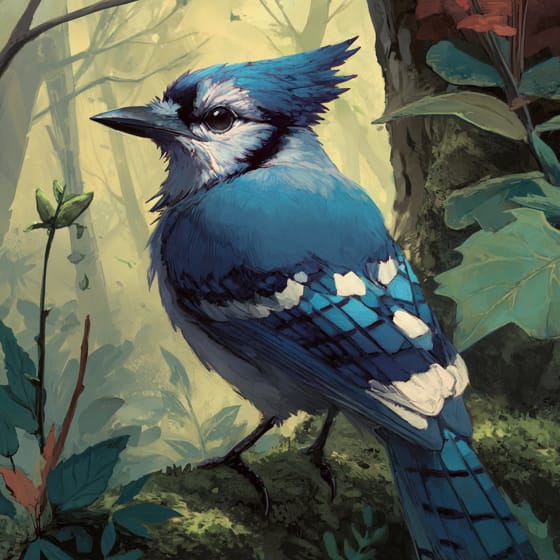
Cyanocitta cristata
Adult beetles can become a meal for hungry jays.
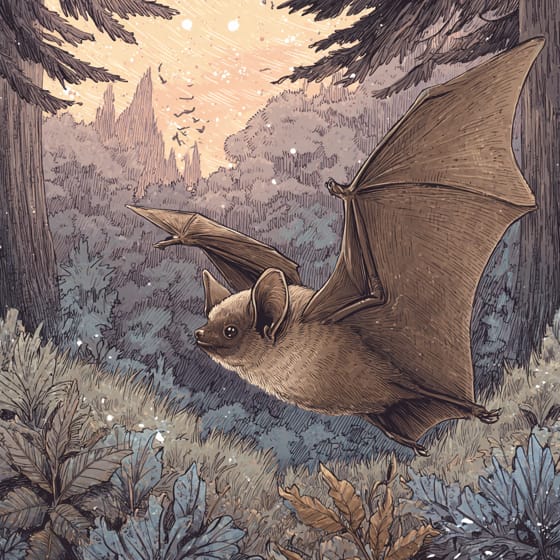
Myotis lucifugus
Nocturnal bats may catch adult click beetles during flight.
Solidago canadensis
Adult beetles feed on nectar and pollen from this flowering plant.
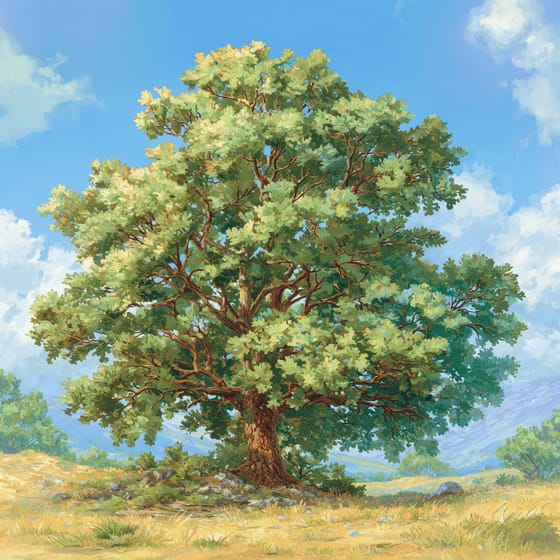
Quercus alba
Larvae develop in soil or decaying wood around roots of oak trees.
Solitary animals live alone for most of their lives, only interacting with others for mating or parental care.
This trait identifies organisms whose diet includes both plant and animal matter.
Colorful describes organisms or objects displaying a wide range of bright and distinct colors.
Forest habitats are terrestrial environments dominated by dense tree cover, supporting a high diversity of plant and animal life.

Diurnal animals are primarily active during daylight hours, typically resting or sleeping at night.

This trait identifies organisms that exhibit exceptional swiftness in movement for hunting, escape, or travel.

Describes organisms that transfer pollen, enabling the fertilization and reproduction of plants.
No aliases listed yet.
Danger
1/5 · Very low
Be gentle when looking for beetles and don't touch them too much.
The easiest way to identify Resplendent Click Beetle is to use the Snappit nature identifier app.
20-30 mm
10-15 mm
30-90 days
5 km/h
Adults sip nectar and pollen from plants; larvae chew on roots, decaying wood, or other small things!
Forests
Foraging
Zoom in to split clusters and explore where this object has been snapped.
Recent snaps will appear here as new observations are added.
Take the discovery with you
Snap it with Snappit to identify it, learn what makes it special, and add the discovery to your collection.








.jpg&width=800)


