.jpg&width=800)





Reticulated Giraffe
giraffa reticulata
The Reticulated Giraffe is the tallest land animal on Earth! With its long neck and beautiful spotted coat, it can see for miles in the savanna.
Habitat: Savannas and open woodlands in Africa
The Reticulated Giraffe has a striking coat pattern of large, polygonal, liver-colored or orange-brown spots, clearly separated by a network of creamy white lines. These lines create a distinctive, net-like appearance, making it visually different from other giraffe subspecies with more irregular patches.
Category
MammalsRarity
Common
Danger
1/5 · Very low
Snaps
Be the first to snap!
A giraffe's tongue can be up to 45 cm (18 inches) long and is bluish-black!
Baby giraffes can stand up and even run within an hour of being born!
Giraffes sleep standing up, but only for short naps, sometimes lying down.
Their huge hearts can weigh over 10 kg (22 pounds) to pump blood effectively.
Reticulated Giraffe has a super-strong heart and special valves that help pump blood up their long neck.
Reticulated Giraffe has a distinct, net-like coat pattern that helps them blend perfectly with savanna shadows.
Reticulated Giraffe can deliver a powerful kick in any direction that helps them defend against predators.
These tall vegetarians love munching on leaves, twigs, and fruits from trees and shrubs.
Vachellia tortilis
A primary food source for giraffes in their habitat.
Panthera leo
Lions are a main predator, especially targeting young or weak giraffes.
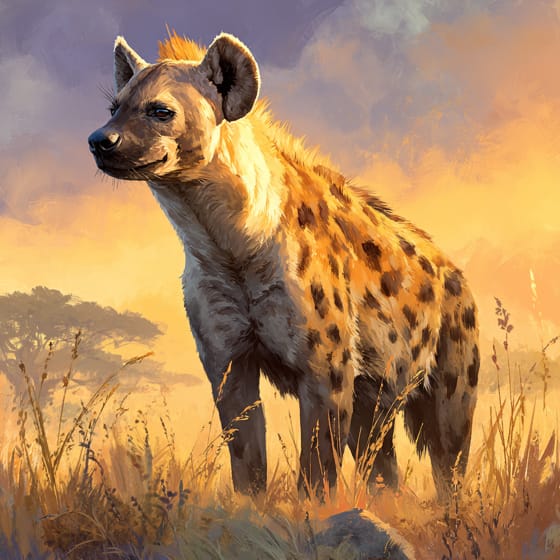
Crocuta crocuta
Hyenas are known to prey on giraffe calves when opportunities arise.
Acacia seyal
Another common acacia species browsed by giraffes.
Marked with spots or patches of a different color.
Social animals live in organized groups, cooperating for survival benefits such as foraging, defense, and raising offspring.
Grassland habitats are terrestrial biomes dominated by grasses and herbaceous plants, supporting a variety of grazing animals.
This trait characterizes organisms whose diet consists entirely or primarily of plant material.

Diurnal animals are primarily active during daylight hours, typically resting or sleeping at night.
Danger
1/5 · Very low
No special safety notes yet.
The easiest way to identify Reticulated Giraffe is to use the Snappit nature identifier app.
430-570 cm
550-1930 kg
10-25 years
60 km/h
These tall vegetarians love munching on leaves, twigs, and fruits from trees and shrubs.
Savannas and open woodlands in Africa
Foraging
Zoom in to split clusters and explore where this object has been snapped.
Recent snaps will appear here as new observations are added.
Ohio, US
You might spot Reticulated Giraffe, Zebra, and American Bison.
View guide →
Alabama, US
You might spot African Elephant and Reticulated Giraffe.
View guide →

Texas, US
You might spot African Elephant, Reticulated Giraffe, and African Lion.
View guide →
New Jersey, US
You might spot African Lion, Snow Leopard, and Reticulated Giraffe.
View guide →
Tennessee, US
You might spot Red Panda, Snow Leopard, and Chimpanzee.
View guide →
England, UK
You might spot African Elephant, Bornean Orangutan, and Tiger.
View guide →
Take the discovery with you
Snap it with Snappit to identify it, learn what makes it special, and add the discovery to your collection.




.jpg&width=800)



.JPG&width=800)

.jpg&width=800)
