





Rhododendron
Areekulus rhododendronis
Rhododendrons are big, colorful flowers that bloom in clusters. They are often found in gardens and parks.
Habitat: Rhododendrons thrive in shady spots in gardens.
The Rhododendron is a diverse plant known for its striking clusters of bell-shaped or funnel-shaped flowers, often in vibrant shades of pink, purple, red, white, or yellow. Its leathery, dark green leaves can be evergreen or deciduous, and its woody stems can form anything from sprawling groundcover to a towering shrub or small tree.
Category
PlantsRarity
Common
Danger
1/5 · Very low
Snaps
Be the first to snap!
Bees visiting some rhododendron flowers can make 'mad honey' that's toxic!
Its name means 'rose tree' in Greek, even though it's not a rose!
Many rhododendrons have fuzzy, scaly undersides on their leaves, called indumentum!
Some rhododendron species can grow over 60 feet tall, like giant flowering trees!
Rhododendrons can roll or droop their leaves in cold weather to reduce surface area and protect against frost damage.
Some Rhododendrons have special fungi on their roots, helping them absorb nutrients from acidic, tough soils.
Rhododendrons produce grayanotoxins in their leaves and nectar, deterring most animals from eating them.
Apis mellifera
gathers nectar, sometimes producing toxic honey
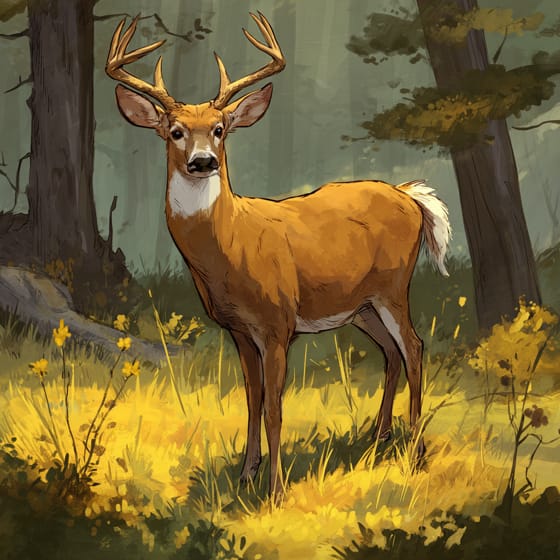
Odocoileus virginianus
browses on leaves when other food is scarce
Lymantria dispar
caterpillars can defoliate rhododendron leaves in outbreaks
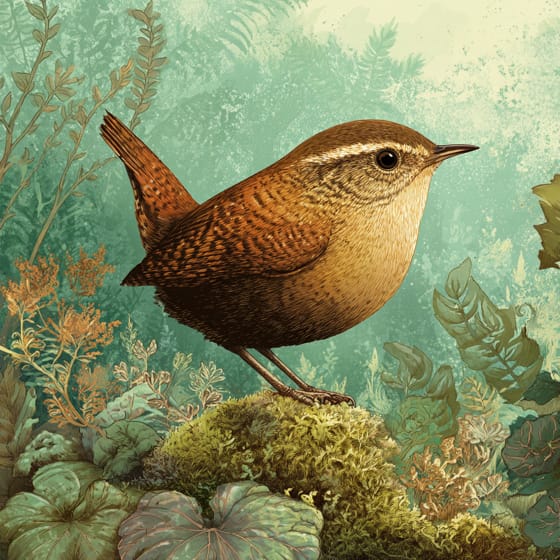
Troglodytes troglodytes
nests and forages within dense rhododendron shrubs
Cluster flowers are inflorescences where individual flowers are arranged closely together on a common stem.
Shade tolerant plants are adapted to grow and thrive in areas with low light levels, requiring less direct sunlight.
A shrub is a woody plant smaller than a tree, typically with multiple stems branching from or near the ground.
Spring blooming plants produce their flowers during the spring season, often signifying the end of winter and the start of new growth.

Evergreen plants retain their foliage throughout the year, never shedding all their leaves at once.

Fragrant flowers emit a pleasant aroma, often to attract pollinators or for defense.

Colorful describes organisms or objects displaying a wide range of bright and distinct colors.

Forest habitats are terrestrial environments dominated by dense tree cover, supporting a high diversity of plant and animal life.
Danger
1/5 · Very low
Explore with care and ask an adult if you’re unsure what to do.
The easiest way to identify Rhododendron is to use the Snappit nature identifier app.
10-1200 cm
10-1000 cm
2-15 cm
Spring to early summer
No
High
Perennial
Zoom in to split clusters and explore where this object has been snapped.
Recent snaps will appear here as new observations are added.
Take the discovery with you
Snap it with Snappit to identify it, learn what makes it special, and add the discovery to your collection.







.jpg&width=800)


_001.jpg&width=800)


