





Ring-billed Gull
Larus delawarensis
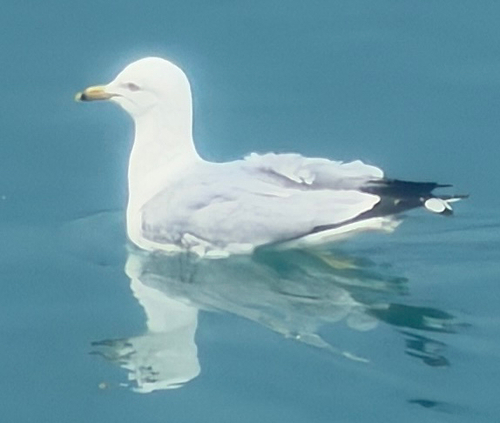
The Ring-billed Gull has a distinctive black ring around its bill. It's a friendly bird that often hangs around lakes and parks!
Habitat: Lakes, rivers, and coastal areas
The Ring-billed Gull has a distinctive black ring near the tip of its yellow bill, setting it apart. It features a clean white body, gray back and wings, with black wingtips that have noticeable white spots. Their legs are bright yellow.
Category
BirdsRarity
Common
Danger
2/5 · Low
Snaps
308
During migration, these gulls can fly thousands of kilometers to warmer wintering grounds.
Ring-billed Gulls are very social and often nest in colonies with thousands of other birds.
They're so adaptable, they thrive in cities as easily as by lakes and oceans!
Young Ring-billed Gulls don't get their famous bill ring until they are two years old!
Ring-billed Gull can drink saltwater because special glands remove the extra salt from their bodies.
Ring-billed Gull can stir up hidden snacks by wiggling their feet in shallow water.
Ring-billed Gull can soar and glide effortlessly on air currents, saving energy during long flights.
This opportunistic gull eats almost anything, from fish and insects to berries and human snacks.
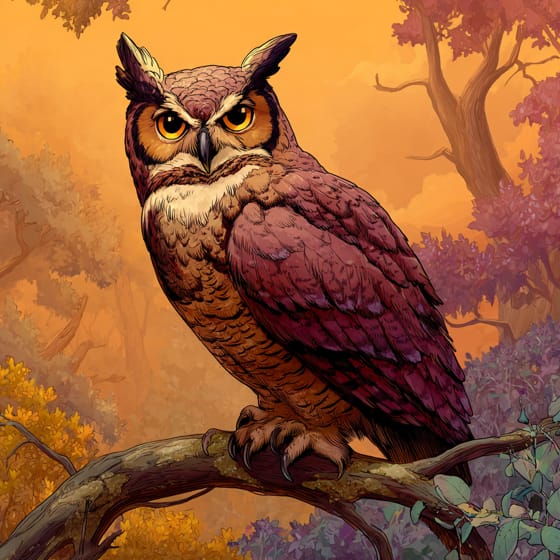
Bubo virginianus
Hunts gulls, especially at night.
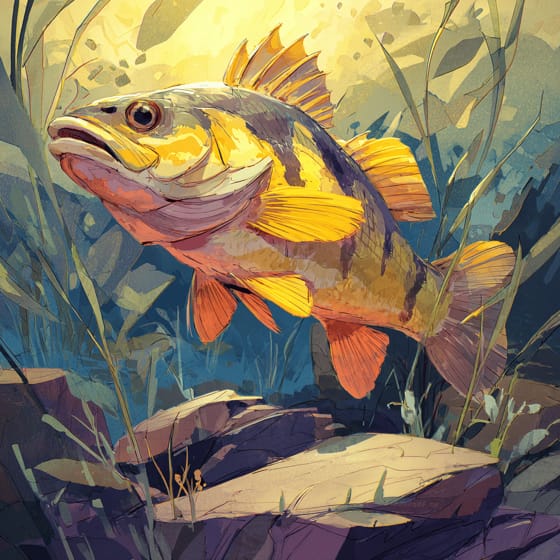
Perca flavescens
Catches small fish from shallow waters.
Lumbricus terrestris
Forages for worms in wet soil.
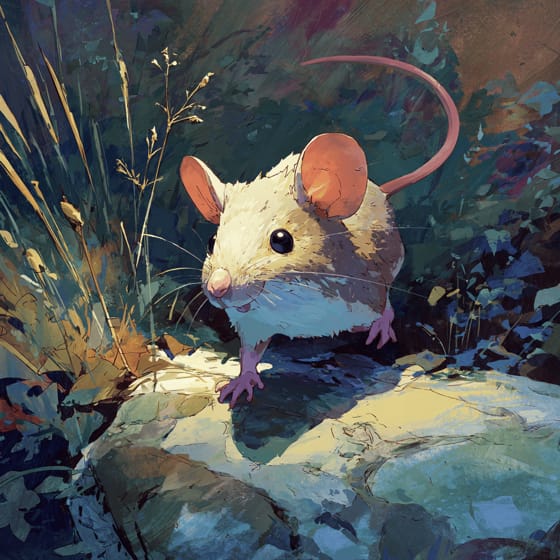
Mus musculus
Opportunistically hunts small rodents in fields.
Wildlife encompasses all undomesticated animal and plant life existing in their natural habitats.
Feathered describes animals, primarily birds, possessing a covering of feathers.
Social animals live in organized groups, cooperating for survival benefits such as foraging, defense, and raising offspring.
Aerial creatures spend a significant portion of their lives airborne, utilizing flight for various activities such as hunting, migration, or nesting.

This trait identifies organisms whose diet includes both plant and animal matter.

Coastal habitats are dynamic environments located along the interface between land and sea, influenced by tides, waves, and saltwater.
No aliases listed yet.
Danger
2/5 · Low
Watch quietly from a distance and never try to feed or chase wild animals.
The easiest way to identify Ring-billed Gull is to use the Snappit nature identifier app.
41-49 cm
105-124 cm
0.3-0.7 kg
10-20 years
60 km/h
This opportunistic gull eats almost anything, from fish and insects to berries and human snacks.
Lakes, rivers, and coastal areas
Zoom in to split clusters and explore where this object has been snapped.
May 4, 2026
Shedd AquariumPhoto attribution
no rights reserved
License: CC0 1.0 ↗
Image may be shown cropped inside the card frame.

Rhode Island, US
You might spot Spotted Lanternfly, Duck, and American Robin.
View guide →

Michigan, US
You might spot Monarch, Canada Goose, and Eastern Gray Squirrel.
View guide →
.jpg)
Virginia, US
You might spot Great Blue Heron and Canada Goose.
View guide →

New Jersey, US
You might spot Brant, Laughing Gull, and Great Black-Backed Gull.
View guide →
.jpg)
District of Columbia, US
You might spot Eastern Gray Squirrel, Duck, and House Sparrow.
View guide →

Michigan, US
You might spot Monarch, Canada Goose, and Eastern Gray Squirrel.
View guide →
Take the discovery with you
Snap it with Snappit to identify it, learn what makes it special, and add the discovery to your collection.





.jpg&width=800)










