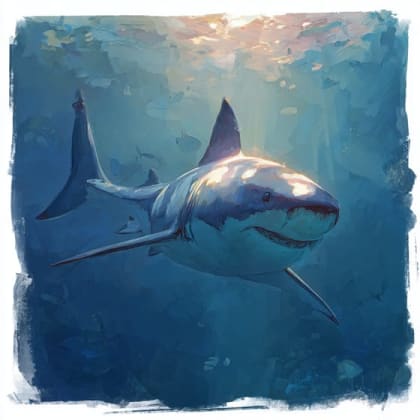





Great White Shark
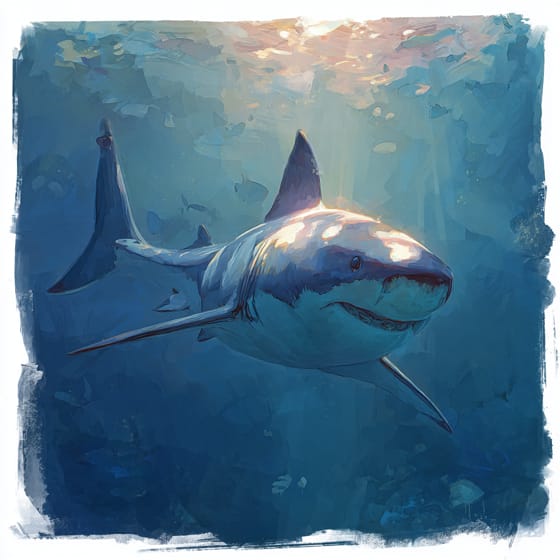
Mote Marine Laboratory & Aquarium offers an immersive journey into the wonders of marine life, blending world-class scientific research with captivating public exhibits.
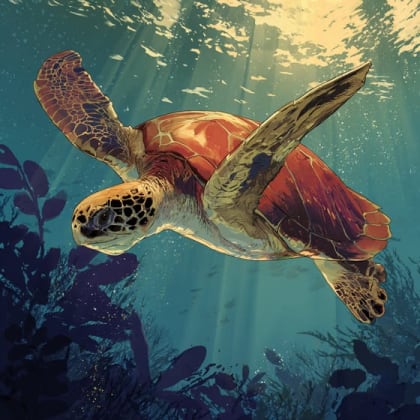
Mote Marine Laboratory & Aquarium offers an immersive journey into the wonders of marine life, blending world-class scientific research with captivating public exhibits. Now primarily housed at the state-of-the-art Mote Science Education Aquarium (Mote SEA), this leading institution invites visitors of all ages to explore the mysteries of our oceans and discover the critical work being done to conserve them. It’s a place where education seamlessly meets adventure, inspiring a deeper understanding and appreciation for marine ecosystems. Step inside Mote SEA to encounter a diverse array of marine creatures, from playful North American river otters and majestic sea turtles to the charismatic Florida manatees, Hugh and Buffett.
One of the most exhilarating experiences is observing the impressive sharks within the 135,000-gallon habitat, where you might even catch a narrated feeding session showcasing species like bonnetheads and sandbars. Interactive touch pools provide unique opportunities for hands-on encounters with rays and other fascinating invertebrates, making marine science tangible and exciting. Beyond local Florida species, Mote SEA expands your horizons with global marine residents.
Venture into the vibrant Indo-Pacific Gallery to marvel at colorful coral reefs teeming with life, including reef sharks and a mesmerizing giant Pacific octopus. A truly unique addition is the presence of Humboldt penguins, offering a glimpse into cold-water marine environments. This blend of engaging exhibits, interactive displays, and visible working laboratories where Mote scientists conduct groundbreaking research creates a dynamic and educational experience that underscores the laboratory's commitment to marine conservation and scientific advancement. Explore the grounds like a pro—download the Snappit app to instantly identify animals and plants.
Mote Marine Laboratory began its impactful journey in 1955 as the Cape Haze Marine Laboratory, founded by the pioneering shark researcher Dr. Eugenie Clark in Placida, Florida. Initially focused on shark research, the laboratory underwent a significant renaming in 1967 to honor its major benefactor, William R. Mote, and his family. The institution moved to Sarasota in 1960 and established its presence on City Island in 1978, with the original public aquarium opening its doors in 1980. As an independent, non-profit marine research organization, Mote has grown significantly, conducting research on six of the seven continents and employing hundreds of staff members, including Ph.D. scientists. Its mission has always been to advance marine science and education, supporting the conservation and sustainable use of marine resources. The recent development includes the new Mote Science Education Aquarium (Mote SEA), which opened in October 2025 as the primary visitor campus, further expanding its educational reach and showcasing its world-class research to the public.
Beyond exploring the main galleries, look for scheduled animal care and feeding demonstrations. Take advantage of the touch pools for an interactive experience. Consider enhancing your visit with additional programs like EcoTours on the Mote Boat, Kayaking with Mote, or even Breakfast with the Sharks for an extra fee. You can also observe scientists at work through windows into their research laboratories.
Florida's climate means it can be warm. While the new Mote SEA features immersive indoor galleries, some experiences may involve walking outdoors between areas. Be prepared for warm weather, especially during summer months. Special events and themed experiences are held throughout the year, so check their calendar in advance.
Mote Science Education Aquarium is committed to accessibility. It is wheelchair accessible, and complimentary manual wheelchairs are available on a first-come, first-served basis at Guest Services. Elevators and stairs are available on all floors. Service dogs are welcome, and sensory-friendly backpacks, including ear protection and fidget toys, are available for checkout. They also offer Sensory SEA events on select dates with modifications like softer lighting and reduced noise for individuals with sensory processing differences.
135,000-gallon Shark Habitat with various shark species and narrated feeding sessions
Playful North American River Otters
Incredible Florida Manatees, Hugh and Buffett
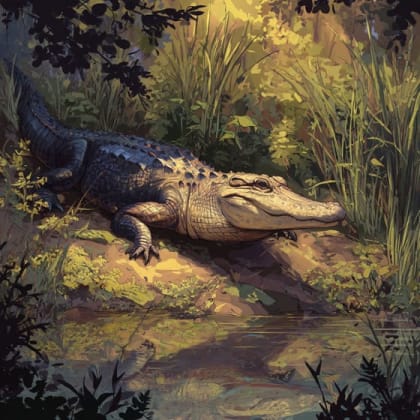
Ancient Survivors exhibit
Each card links to a full Explore page with photos, traits, and fun facts.
Start with the big picture, then zoom in to explore individual wildlife observations around this place.
Purchase Tickets Online in Advance
To ensure entry and potentially get the best price, buy your timed tickets online well before your visit.
Arrive Early
Aim to arrive at opening (9:30 AM) to experience the exhibits with fewer crowds.
Wear Comfortable Shoes
You'll be doing a fair amount of walking as you explore the various galleries and potentially move between buildings if you visit both campuses (though Mote SEA is the primary visitor campus now).
Utilize Touch Pools
Don't hesitate to engage with the animals in the designated touch pools for a unique sensory experience. Gently use two fingers as instructed.
Look for Special Demos
Check the daily schedule for narrated shark feedings and other animal care demonstrations.
Explore All Areas
Be aware that the exhibits are spread out across multiple galleries. Don't miss the less obvious displays like the Molly the Giant Squid (often found behind the VR experience area) or the Megalodon Jaw replica.
Mar 3, 2026
Mar 3, 2026
Mar 3, 2026
Mar 3, 2026
Mar 2, 2026

Ohio, US
You might spot Sand Tiger Shark, Nurse Shark, and Cow.
View guide →

California, US
You might spot Orca, Bottlenose Dolphin, and Beluga Whale.
View guide →

Illinois, US
You might spot Beluga Whale, Pacific White-Sided Dolphin, and Sea Otter.
View guide →

Texas, US
You might spot Brown-Throated Three-Toed Sloth, Ant, and Penguin.
View guide →
Take the discovery with you
Identify the wildlife you spot, learn as you go, and keep a collection of the adventure.