





Rio Grande Cooter
Pseudemys gorzugi
The Rio Grande Cooter is a friendly turtle that loves to swim in rivers and ponds. With its beautiful shell and bright patterns, it's a fun creature to spot while exploring nature!
Habitat: Wetlands
The Rio Grande Cooter has an olive to dark brown carapace, often marked with yellow or orange lines, and a slightly jagged rear edge. Its head, neck, and limbs display distinct yellow or orange stripes, making it visually striking. The plastron is typically pale yellow.
Category
ReptilesRarity
Common
Danger
1/5 · Very low
Snaps
Be the first to snap!
Its scientific name, Pseudemys gorzugi, honors a scientist who studied turtles!
Rio Grande Cooters sometimes stack on top of each other while sunbathing to get the best spots!
These turtles can live longer than some people's grandparents, up to 40 years!
They are like underwater gardeners, helping to keep aquatic plant growth in check!
Rio Grande Cooters can warm their bodies efficiently by basking in the sun, which helps them digest food and stay healthy.
Rio Grande Cooters can quickly pull their head and limbs into their hard, protective shell, shielding them from danger.
Rio Grande Cooters have webbed feet and streamlined shells that help them swim swiftly and navigate complex underwater environments.
Rio Grande Cooters have strong, serrated jaws that help them effectively cut and chew tough aquatic vegetation.
Adults mainly munch on plants, while younger turtles enjoy a snack of insects and small fish.
Age differences: Juveniles are more carnivorous, consuming more insects and small aquatic animals, while adults are predominantly herbivorous.

Procyon lotor
Preys on turtle eggs and hatchlings in nests.

Haliaeetus leucocephalus
Occasionally preys on small hatchlings in open water.
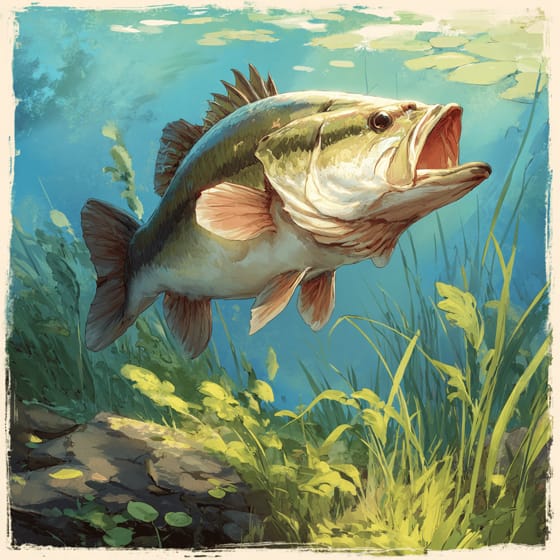
Micropterus salmoides
Consumes hatchlings when they enter the water.

Potamogeton nodosus
A primary food source for adult cooters.
Gambusia affinis
Juveniles sometimes prey on small fish like these.
Marked with spots or patches of a different color.
Social animals live in organized groups, cooperating for survival benefits such as foraging, defense, and raising offspring.
Colorful describes organisms or objects displaying a wide range of bright and distinct colors.
This trait characterizes organisms whose diet consists entirely or primarily of plant material.

Thermoregulating organisms maintain a stable internal body temperature despite fluctuations in the external environment.

This habitat trait identifies species found in wetlands, which are areas of land saturated with water, either permanently or seasonally, including marshes, swamps, and bogs.

Diurnal animals are primarily active during daylight hours, typically resting or sleeping at night.

Freshwater habitats include non-saline aquatic environments such as rivers, lakes, ponds, and wetlands, vital for numerous species.

This trait identifies organisms that exhibit exceptional swiftness in movement for hunting, escape, or travel.

Aquatic habitats encompass environments where organisms live predominantly in water, including oceans, rivers, lakes, and wetlands.

Endangered status indicates a species is at a very high risk of extinction in the wild in the near future.
No aliases listed yet.
Danger
1/5 · Very low
Always watch from a distance and don't try to touch wild turtles.
The easiest way to identify Rio Grande Cooter is to use the Snappit nature identifier app.
20-30 cm
1.5-4 kg
20-40 years
1 km/h
Adults mainly munch on plants, while younger turtles enjoy a snack of insects and small fish.
8 km/h
Wetlands
Zoom in to split clusters and explore where this object has been snapped.
Recent snaps will appear here as new observations are added.
Take the discovery with you
Snap it with Snappit to identify it, learn what makes it special, and add the discovery to your collection.













