





Sliders
Trachemys
Sliders are friendly turtles that love to swim and sunbathe on rocks. They have bright shells and can be found in ponds and lakes, making them fun to watch!
Habitat: Wetlands
The Sliders has a smooth, dome-shaped shell that is often olive green with yellow markings or stripes. Many also have a distinctive red or orange patch behind each eye, which helps differentiate them from other freshwater turtles.
Category
ReptilesRarity
Common
Danger
1/5 · Very low
Snaps
Be the first to snap!
Baby sliders often have bright green shells that fade to darker colors as they grow older.
Female sliders can sometimes lay eggs even if there's no male around, but they won't hatch.
Sliders can recognize faces and sounds, even learning to associate people with food time!
Some sliders can live longer than your grandparents, reaching ages over 50 years old!
Sliders have a hard, bony shell that acts like strong armor, protecting them from many predators.
Sliders can bask in the sun to warm their bodies and dry their shells, which helps them stay healthy and avoid infections.
Sliders can hold their breath for over an hour underwater to hide from predators or find food safely.
Sliders' egg incubation temperature determines if a hatchling will be male (cooler) or female (warmer).
Sliders are omnivores, eating both plants and small animals they find in the water.
Age differences: Young sliders are mostly carnivorous, but adults eat more aquatic plants as they mature.
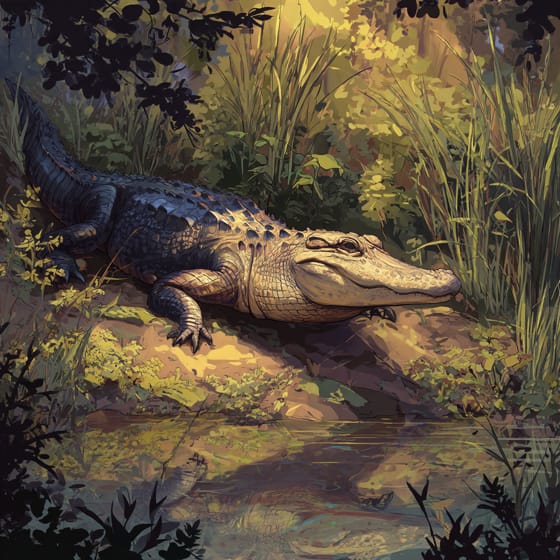
Alligator mississippiensis
Adult sliders are hunted by large alligators.

Procyon lotor
Raccoons often raid slider nests for their eggs.
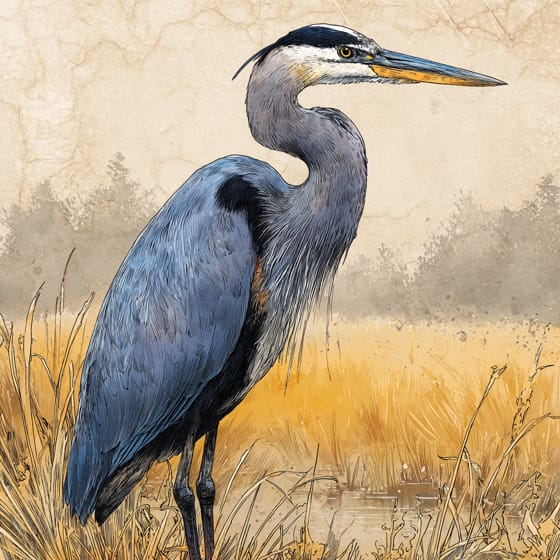
Ardea herodias
Young sliders can be prey for wading birds.
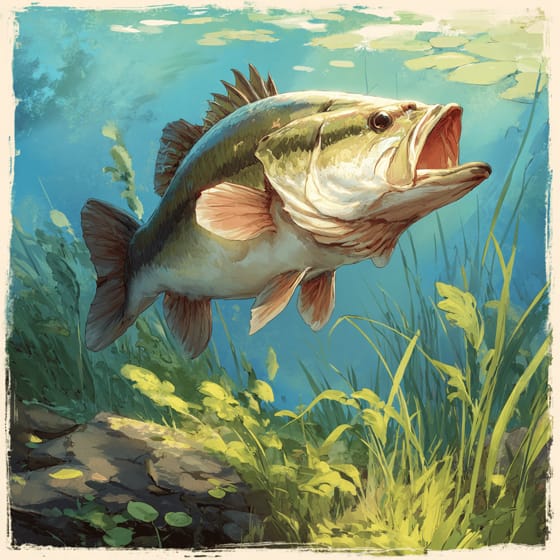
Micropterus salmoides
Newly hatched sliders are sometimes eaten by fish.
Social animals live in organized groups, cooperating for survival benefits such as foraging, defense, and raising offspring.
Colorful describes organisms or objects displaying a wide range of bright and distinct colors.
This trait characterizes organisms whose diet consists entirely or primarily of plant material.
Thermoregulating organisms maintain a stable internal body temperature despite fluctuations in the external environment.

This habitat trait identifies species found in wetlands, which are areas of land saturated with water, either permanently or seasonally, including marshes, swamps, and bogs.

Diurnal animals are primarily active during daylight hours, typically resting or sleeping at night.

Freshwater habitats include non-saline aquatic environments such as rivers, lakes, ponds, and wetlands, vital for numerous species.

Describes a species whose presence and role have a disproportionately large effect on its environment.
No aliases listed yet.
Danger
1/5 · Very low
Always watch sliders from a distance and don't try to pick them up; they can be shy.
The easiest way to identify Sliders is to use the Snappit nature identifier app.
12-30 cm
0.5-3 kg
20-50 years
0.5 km/h
Sliders are omnivores, eating both plants and small animals they find in the water.
3 km/h
Wetlands
Zoom in to split clusters and explore where this object has been snapped.
Recent snaps will appear here as new observations are added.
Take the discovery with you
Snap it with Snappit to identify it, learn what makes it special, and add the discovery to your collection.














