





Longleaf Pondweed
Potamogeton nodosus
Longleaf Pondweed is a water plant that grows in ponds and lakes. Its long, green leaves float on the water's surface, making it a cozy home for fish and frogs.
Habitat: Wetlands
The Longleaf Pondweed has long, ribbon-like leaves submerged underwater and distinctive oval-shaped leaves that float on the surface. Its small, greenish-brown flowers grow on spikes above the water, making it easy to spot in still waters.
Category
PlantsRarity
Common
Danger
1/5 · Very low
Snaps
2
It can grow super long, sometimes reaching over 10 feet from the bottom to the surface!
Longleaf Pondweed is found almost everywhere, thriving on different continents across the world!
Many animals, from tiny insects to large ducks, munch on its tasty seeds and leaves.
This plant helps fish by making oxygen, which they need to breathe underwater!
Longleaf Pondweed can grow two types of leaves: thin, flexible ones underwater and broader, floating ones to catch more sun.
Its long, pliable stems can bend and sway with water currents, preventing damage in moving water.
Longleaf Pondweed can regrow from special underground tubers, helping it survive harsh conditions and spread.
Anas platyrhynchos
Consumes its nutrient-rich seeds and leaves.

Ondatra zibethicus
Feeds on its starchy rhizomes and stems.
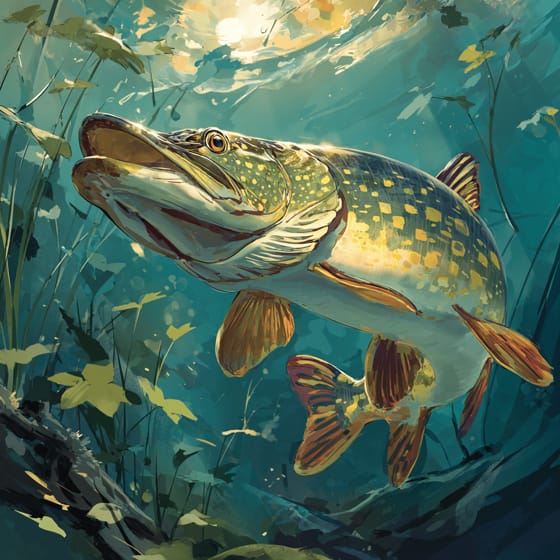
Esox lucius
Hides in dense beds, ambushing prey.
Gammarus pulex
Finds refuge among its submerged leaves.
Flowering plants are any plants that produce flowers as part of their reproductive cycle.
Grass-like plants are herbaceous plants that visually resemble true grasses, typically having long, narrow leaves.
Edible plants are those parts of a plant that are considered safe for human consumption.
Describes plants that are particularly attractive and beneficial to a wide range of pollinating organisms.

Rapid growing plants exhibit accelerated growth rates, quickly increasing in size and biomass within a short period.

This habitat trait identifies species found in wetlands, which are areas of land saturated with water, either permanently or seasonally, including marshes, swamps, and bogs.

Freshwater habitats include non-saline aquatic environments such as rivers, lakes, ponds, and wetlands, vital for numerous species.

Describes a species whose presence and role have a disproportionately large effect on its environment.

Aquatic habitats encompass environments where organisms live predominantly in water, including oceans, rivers, lakes, and wetlands.
No aliases listed yet.
Danger
1/5 · Very low
Always be careful near water and ask an adult before exploring.
The easiest way to identify Longleaf Pondweed is to use the Snappit nature identifier app.
50-300 cm
0.2-0.5 cm
Late spring to late summer
Yes
None
Perennial
Wind
Zoom in to split clusters and explore where this object has been snapped.
Take the discovery with you
Snap it with Snappit to identify it, learn what makes it special, and add the discovery to your collection.









.jpg&width=800)



_001.jpg&width=800)



