





Rose-bellied Lizard
Sceloporus variabilis
The Rose-bellied Lizard is a small, colorful lizard that loves to bask in the sun. With its bright belly and quick movements, it's a fun creature to spot in nature!
Habitat: Desert
The Rose-bellied Lizard has a flattened body with rough, keeled scales. Its upper body is typically brown or gray, often marked with darker spots or stripes. A striking pink or reddish patch on its belly, especially noticeable in males, gives it its name.
Category
ReptilesRarity
Common
Danger
1/5 · Very low
Snaps
1
Males do push-ups and flash their rosy bellies to attract mates or warn rivals!
Their scales help them conserve water, making them perfect for dry, hot places.
These lizards often choose a favorite sunny rock to bask on every morning.
They can often be found hiding under loose bark or logs to stay safe and cool.
Rose-bellied Lizards can subtly change their skin color to blend in with rocks or tree bark, helping them hide from predators.
Rose-bellied Lizards can detach their tail if grabbed, allowing them to escape danger while the predator is distracted by the wriggling tail.
Rose-bellied Lizards have strong claws that help them grip onto rough surfaces, allowing them to climb trees and rocks with ease.
Tiny hunters, they feast on small insects and other invertebrates found in their habitat.
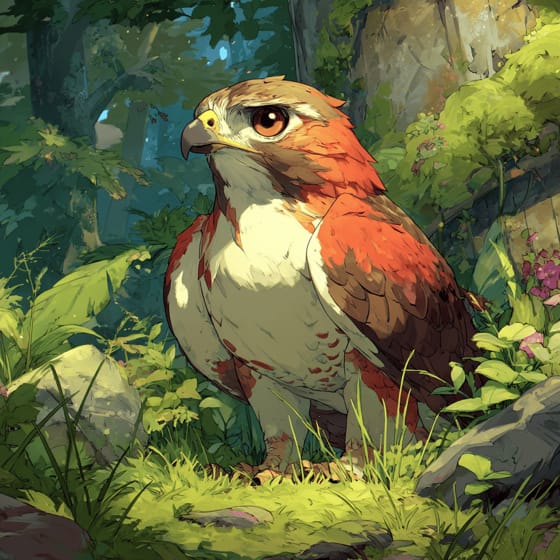
Buteo jamaicensis
A common bird of prey that hunts small lizards.

Thamnophis proximus
Snakes are major predators of small lizards.
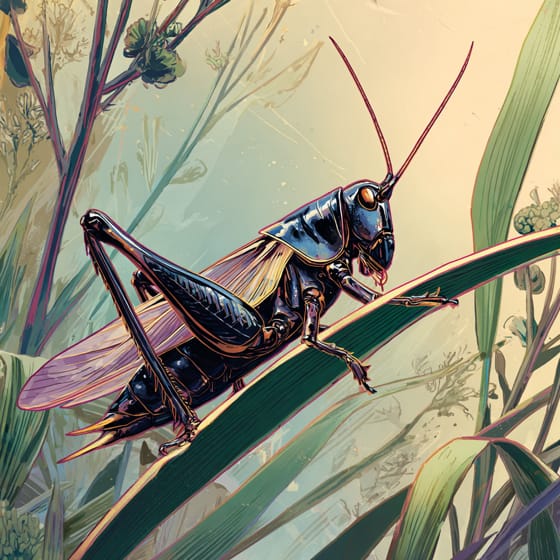
Gryllus assimilis
A primary food source for Rose-bellied Lizards.
Formica fusca
Ants are a common insect prey for these lizards.
Solitary animals live alone for most of their lives, only interacting with others for mating or parental care.
Camouflaged describes organisms that possess coloring or patterns that allow them to blend into their environment.
Colorful describes organisms or objects displaying a wide range of bright and distinct colors.
This trait identifies organisms whose diet primarily consists of insects and other small invertebrates.

Desert habitats are arid regions characterized by extremely low precipitation and often extreme temperatures, supporting specialized flora and fauna.

Diurnal animals are primarily active during daylight hours, typically resting or sleeping at night.

This trait identifies organisms that exhibit exceptional swiftness in movement for hunting, escape, or travel.
No aliases listed yet.
Danger
1/5 · Very low
Always watch lizards from a distance and don't try to catch them.
The easiest way to identify Rose-bellied Lizard is to use the Snappit nature identifier app.
10-15 cm
0.005-0.015 kg
3-5 years
15 km/h
Tiny hunters, they feast on small insects and other invertebrates found in their habitat.
Desert
Foraging
Zoom in to split clusters and explore where this object has been snapped.

Texas, US
You might spot Reticulated Giraffe, Zebra, and White Rhinoceros.
View guide →

Texas, US
You might spot Antelopehorn Milkweed and Lindheimer's Senna.
View guide →

Texas, US
You might spot Pipevine Swallowtail and Antelopehorn Milkweed.
View guide →
.jpg)
Texas, US
You might spot White-Tailed Deer, Agarita, and Raccoon.
View guide →

Texas, US
You might spot Evergreen Sumac, Lindheimer's Silktassel, and Ashe Juniper.
View guide →
Take the discovery with you
Snap it with Snappit to identify it, learn what makes it special, and add the discovery to your collection.












