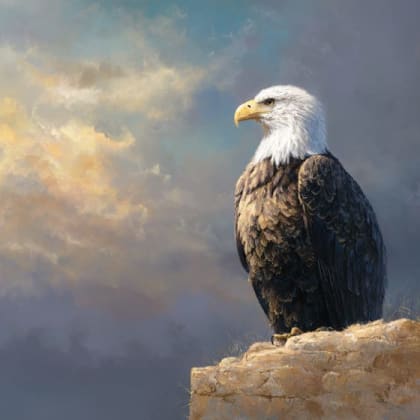





Bald Eagle

Nestled along the Squamish River within the majestic Coast Mountains of British Columbia, Brackendale Eagles Provincial Park stands as a globally renowned sanctuary for wildlife, most famously for hosting one of the largest winter gatherings of Bald Eagles in North America.
Nestled along the Squamish River within the majestic Coast Mountains of British Columbia, Brackendale Eagles Provincial Park stands as a globally renowned sanctuary for wildlife, most famously for hosting one of the largest winter gatherings of Bald Eagles in North America. This 755-hectare protected area offers a serene riverside setting where nature's drama unfolds annually, attracting these magnificent raptors to feed on the abundant salmon runs. The park's untouched riparian ecosystem provides critical habitat for roosting, perching, and feeding, making it an extraordinary spectacle for nature enthusiasts and photographers alike.
While the heart of the park is preserved for its wild inhabitants, visitors can experience the breathtaking scenery and wildlife from designated viewing areas along the municipal dyke, such as the Eagle Run Vista Viewpoint. Here, you can witness Bald Eagles soaring overhead or perched in tall Western Hemlock trees, their sharp eyes scanning the Squamish River for their next meal. The fertile river environment also supports a diverse array of other species, including Chum Salmon returning upstream, and various plants like Salmonberry, Vine Maple, and Western Sword Fern that thrive in the lush temperate rainforest.
Brackendale Eagles Provincial Park is more than just a park; it's a testament to successful conservation and an opportunity to connect with nature's raw beauty. The sheer number of eagles, especially during the peak winter months, creates an unforgettable experience, set against a stunning backdrop of snow-capped mountains. Whether you're a passionate birdwatcher, a family looking for an educational outing, or simply seeking a peaceful escape into a vibrant ecosystem, the park offers a memorable encounter with the wild heart of British Columbia. Wondering what that bird or insect is? Find out on your visit using the Snappit nature app.
Brackendale Eagles Provincial Park was formally established in 1999, but its recognition as a vital wildlife area dates back much further. The provincial government initiated its Protected Areas Strategy in 1992, aiming to safeguard 12% of British Columbia by the year 2000. The Squamish River Valley's west side, identified as a critical wintering ground for Bald Eagles, was a prime candidate for protection under this strategy. The area gained significant attention when a world-record count of 3,769 Bald Eagles was recorded in 1994, highlighting its ecological importance. This remarkable concentration of eagles, drawn by the prolific salmon runs in the Squamish, Cheakamus, and Mamquam rivers, cemented the need for its formal protection, leading to its designation as a Provincial Park to preserve this unique natural phenomenon.
Eagle Viewing: Observe hundreds, sometimes thousands, of Bald Eagles fishing, perching, and soaring.
Sightseeing: Enjoy panoramic views of the Squamish River and the surrounding Coast Mountains, including Tantalus Provincial Park.
Photography: Capture stunning images of eagles and the natural landscape.
Walking the dyke: Enjoy easy walks along the gravel paths of the Eagle Run dyke, which features interpretive signage.
Fishing: Permitted in some areas, but strongly discouraged during eagle season to avoid disturbing the birds.
Winter (November-February): This is the peak season for eagle viewing, as they congregate to feed on spawning salmon. Access *into* the provincial park itself is often prohibited during these months to protect the eagles, but public viewing is available from outside the park boundaries, particularly the Eagle Run dyke. Expect cold, potentially wet and muddy conditions.
Fall (October-November): The salmon run begins, attracting the first eagles.
Spring/Summer (April-September): The park is largely inaccessible in winter but some limited recreational use is allowed from April to September; however, eagle numbers are much lower. These seasons are good for general sightseeing and enjoying the river valley.
The main viewing area along the Eagle Run dyke is designed to be accessible, suitable for strollers and wheelchairs, with a ramp for access. During winter, volunteers may clear snow from the path when possible, but heavy snowfall can sometimes limit access.
The primary highlight is the sheer number of Bald Eagles. Visitors should head to the Eagle Run viewing shelter on the municipal dyke across from the Easter Seals Camp at 41015 Government Road in Brackendale. This location provides excellent views of the eagles within the park. Interpretive displays explain the eagles' lifecycle and the vital role of the salmon run.
Each card links to a full Explore page with photos, traits, and fun facts.
Start with the big picture, then zoom in to explore individual wildlife observations around this place.
Bring binoculars or a telephoto lens
Eagles can be across the river, so magnification is essential for detailed viewing and photography.
Dress in warm, waterproof layers
Winter weather in British Columbia can be unpredictable, with cold temperatures and rain. Sturdy, waterproof footwear is highly recommended, as paths can be muddy.
Visit during peak times
Arrive early in the morning or in the mid-afternoon (around 2:30-3:30 PM) for the best chance to see active eagles feeding or flying to roost.
Stay on designated viewing areas
Respect wildlife by staying on the Eagle Run dyke and avoiding entry into the park or walking on gravel bars, as disturbing feeding or roosting eagles can impact their survival.
Keep dogs on a leash
This helps prevent them from disturbing wildlife and ensures a safe experience for everyone.
Check weather and salmon run conditions
The number of eagles can vary based on weather and salmon availability. Some local organizations like EagleWatch provide updates.
Jan 19, 2026
Dec 28, 2025
Dec 28, 2025
Nov 30, 2025
Nov 30, 2025

Maryland, US
You might spot White-Tailed Deer and Eastern Gray Squirrel.
View guide →
.jpg)
District of Columbia, US
You might spot Eastern Gray Squirrel, Duck, and House Sparrow.
View guide →

Illinois, US
You might spot American Robin, Canada Goose, and House Sparrow.
View guide →

Virginia, US
You might spot Spotted Lanternfly and Northern Cardinal.
View guide →
Take the discovery with you
Identify the wildlife you spot, learn as you go, and keep a collection of the adventure.