.jpg&width=800)





rose vervain
Glandularia canadensis
Rose vervain is a pretty flower that blooms in bright colors. It attracts butterflies and bees, making gardens lively and fun!
Habitat: Grasslands
The rose vervain has clusters of vibrant pink to purple flowers, each a tiny star, creating a cheerful display. Its low-growing, spreading habit forms a lush carpet of deeply lobed green leaves, making it distinct from taller garden plants.
Category
PlantsRarity
Common
Danger
1/5 · Very low
Snaps
2
It's sometimes called 'moss verbena' because of how it spreads low!
Rose vervain is super tough and loves growing in sunny, dry places!
The plant's leaves are often fuzzy, helping it save water!
This flower's bright color is like a runway for hungry butterflies!
Rose vervain has a deep taproot that helps it find water far underground, allowing it to survive dry periods.
Rose vervain can produce abundant nectar in its bright flowers, acting like a sweet signal to attract butterflies and bees.
Rose vervain has a spreading growth habit, letting it cover ground like a living carpet and keep other plants out.
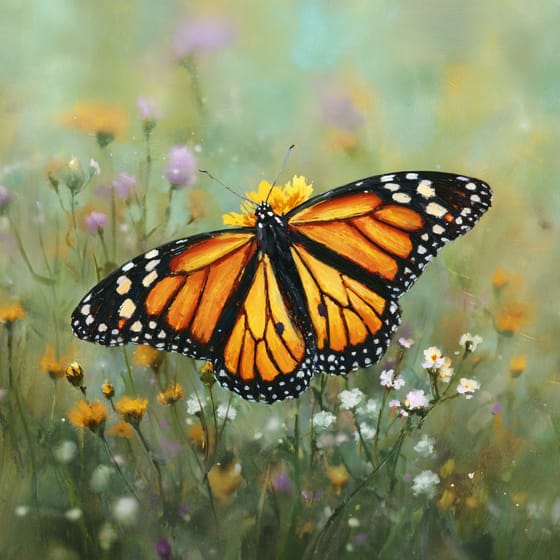
Danaus plexippus
visits flowers for nectar
Apis mellifera
collects nectar and pollen
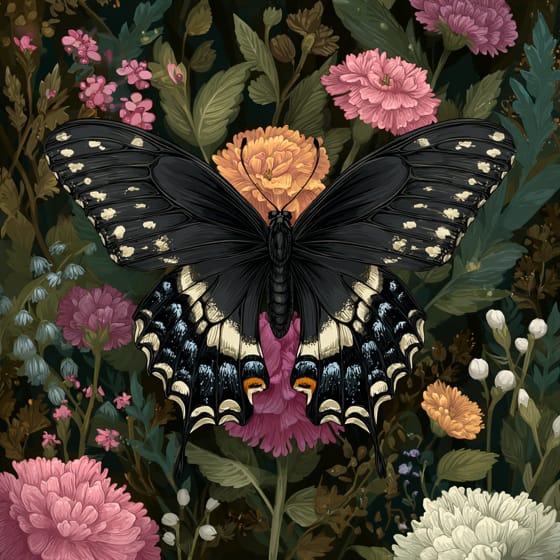
Papilio polyxenes
feeds on flower nectar
Flowering plants are any plants that produce flowers as part of their reproductive cycle.
Summer blooming plants produce their flowers during the summer season, often providing vibrant color when many other plants have finished.
Fragrant flowers emit a pleasant aroma, often to attract pollinators or for defense.
Medicinal plants possess chemical compounds that can be used for therapeutic purposes to treat illnesses or maintain health.

Colorful describes organisms or objects displaying a wide range of bright and distinct colors.

Edible plants are those parts of a plant that are considered safe for human consumption.

Grassland habitats are terrestrial biomes dominated by grasses and herbaceous plants, supporting a variety of grazing animals.

Describes plants that are particularly attractive and beneficial to a wide range of pollinating organisms.
No aliases listed yet.
Danger
1/5 · Very low
Always check with an adult before picking flowers.
The easiest way to identify rose vervain is to use the Snappit nature identifier app.
30-60 cm
30-90 cm
0.5-1 cm
Late spring to fall
No
None
Perennial
Zoom in to split clusters and explore where this object has been snapped.

Arkansas, US
You might spot Rose Vervain, Ozark Leatherwood, and Trelease's Larkspur.
View guide →

Missouri, US
You might spot Rose Vervain, Three-Toed Box Turtle, and Christmas Fern.
View guide →
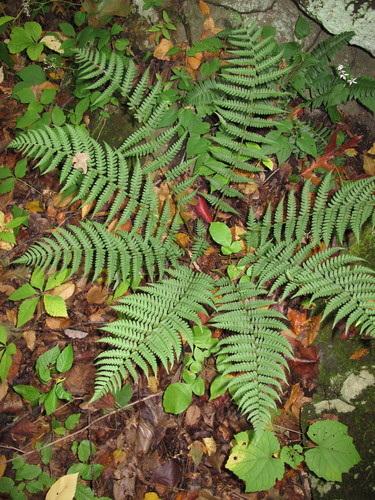
Missouri, US
You might spot Marginal Wood Fern and Common Map Turtle.
View guide →

Missouri, US
You might spot Christmas Fern, Prairie Trillium, and Eastern Beebalm.
View guide →

Oklahoma, US
You might spot Eastern Pondhawk, Green Treefrog, and Bronzed Tiger Beetle.
View guide →
Take the discovery with you
Snap it with Snappit to identify it, learn what makes it special, and add the discovery to your collection.








.jpg&width=800)


_001.jpg&width=800)



