





round-leaved sundew
Drosera rotundifolia
The round-leaved sundew is a special plant that catches tiny bugs with its sticky leaves! It looks like it has little drops of dew on it, which helps it trap its food.
Habitat: Wetlands
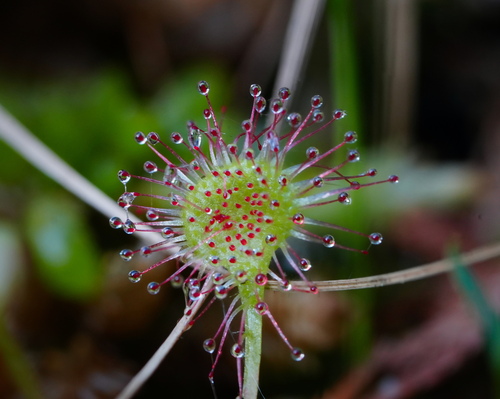
The round-leaved sundew has a flat rosette of small, reddish-green, spoon-shaped leaves. Each leaf is covered with sparkling, sticky red tentacles that trap small insects. Tiny white flowers grow on a slender stalk above the leaves.
Category
PlantsRarity
Common
Danger
1/5 · Very low
Snaps
16
It moves super slowly! A leaf can take hours to wrap around a captured insect.
Its sparkling 'dew' is actually a super sticky glue, not water!
The round-leaved sundew can be found all over the world, even in frosty places!
This tiny plant can live for many years, even decades, in the right wet spots.
round-leaved sundew can catch tiny insects using incredibly sticky, dew-like drops on its tentacles to get extra nutrients.
round-leaved sundew has special digestive enzymes that break down trapped insects, helping it thrive in poor soil.
round-leaved sundew has glistening, sugary droplets that look like irresistible nectar, luring unsuspecting prey closer.
round-leaved sundew can slowly curl its leaves around struggling prey, creating a tighter grip and better digestion.
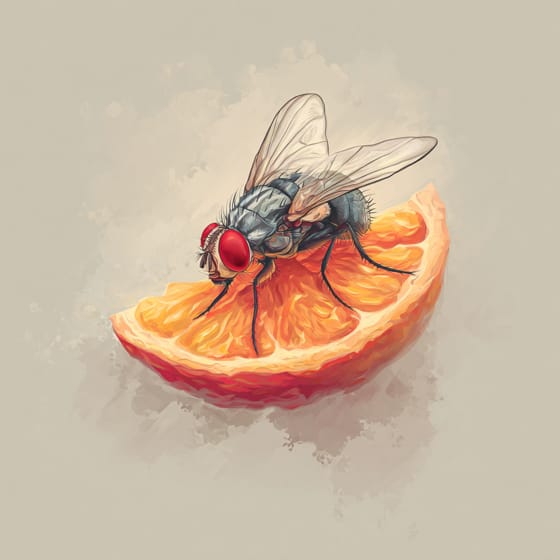
Drosophila melanogaster
A common insect prey trapped by its sticky leaves.
Culex pipiens
Often falls victim to the sundew's deceptive, glistening tentacles.
Bombus terrestris
Visits its small white flowers to collect nectar and pollen.
Myrmica rubra
Occasionally trapped and digested by the sundew's sticky glands.
Flowering plants are any plants that produce flowers as part of their reproductive cycle.
This trait identifies organisms whose diet primarily consists of insects and other small invertebrates.
Describes plants that are particularly attractive and beneficial to a wide range of pollinating organisms.
Carnivorous plants are predatory flowering plants that derive some or most of their nutrients from trapping and consuming animals or protozoans.

This habitat trait identifies species found in wetlands, which are areas of land saturated with water, either permanently or seasonally, including marshes, swamps, and bogs.

This trait identifies organisms whose diet consists entirely or primarily of animal tissue.
No aliases listed yet.
Danger
1/5 · Very low
Don't touch the plant too much, as it needs its sticky leaves to catch food.
The easiest way to identify round-leaved sundew is to use the Snappit nature identifier app.
2-10 cm
2-8 cm
0.5-1 cm
Summer
No
None
Perennial
Zoom in to split clusters and explore where this object has been snapped.
May 28, 2026
Long Island Game FarmPhoto attribution
no rights reserved
License: CC0 1.0 ↗
Image may be shown cropped inside the card frame.
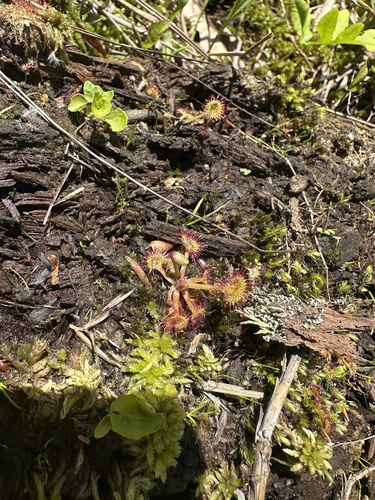
May 26, 2026
CheshamPhoto attribution
(c) Jaime McGuigan, some rights reserved (CC BY)
License: CC BY 4.0 ↗
Image may be shown cropped inside the card frame.
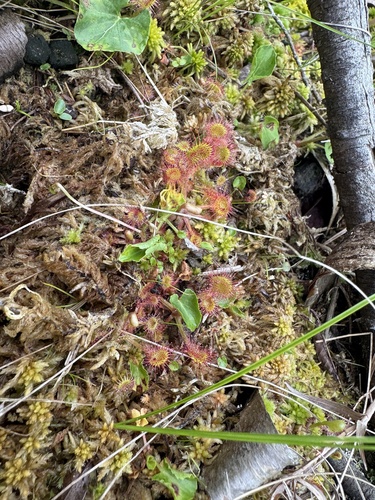
May 22, 2026
Bear Meadows Natural AreaPhoto attribution
(c) SiphonophoreSlinger, some rights reserved (CC BY)
License: CC BY 4.0 ↗
Image may be shown cropped inside the card frame.

Pennsylvania, US
You might spot Pinesap, Great Rhododendron, and Mountain Laurel.
View guide →

New Hampshire, US
You might spot Eastern Red-Backed Salamander and Eastern Newt.
View guide →

New York, US
You might spot American Toad and Purple Pitcher Plant.
View guide →

Ohio, US
You might spot Canada Goose and Common Eastern Bumble Bee.
View guide →

New York, US
You might spot Giraffes, Kangaroos, Wallabies and Allies, and Capybara.
View guide →

New York, US
You might spot Coral, Sea Lion, and African Penguin.
View guide →
Take the discovery with you
Snap it with Snappit to identify it, learn what makes it special, and add the discovery to your collection.








.jpg&width=800)



_001.jpg&width=800)




