.jpg&width=800)





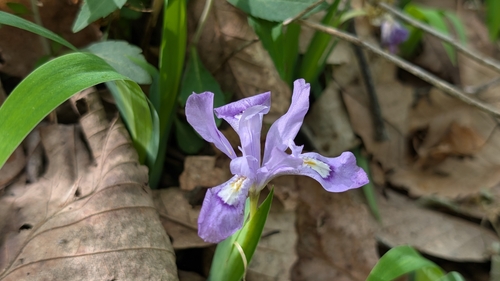
dwarf crested iris
Iris cristata
The dwarf crested iris is a small, beautiful flower that blooms in spring. Its delicate purple petals are shaped like little fans, making it a lovely sight in gardens and forests.
Habitat: Forests
The dwarf crested iris is a low-growing plant with vibrant blue-violet flowers, though sometimes white forms appear. Each delicate bloom has a distinctive yellow or white crest on its lower petals. Its sword-like, bright green leaves grow in neat, fan-shaped clumps.
Category
PlantsRarity
Common
Danger
1/5 · Very low
Snaps
12
Despite its small size, this iris can live for many, many years in one spot!
Its cheerful flowers pop up early, sometimes even before trees fully leaf out!
Look closely: the 'beard' on its petals guides tiny pollinators right to the nectar!
Some folks call it 'fairy flags' because its delicate blooms wave gently in the breeze!
The dwarf crested iris has underground stems (rhizomes) that help it spread easily, forming beautiful colonies in woodlands.
This iris can thrive in partial to full shade, allowing it to brighten forest floors where other flowers struggle.
Its thick rhizomes store water, helping the dwarf crested iris survive periods when rain is scarce.
Apis mellifera
Gathers nectar and pollen from its vibrant blooms.
Bombus impatiens
Visits flowers to collect nectar, aiding reproduction.
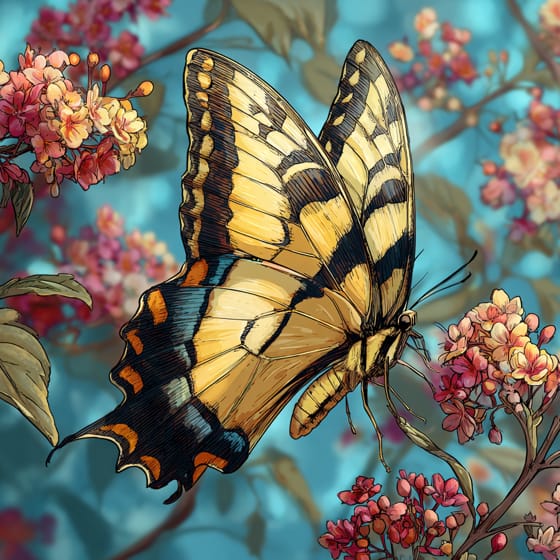
Papilio glaucus
Drinks nectar from the colorful flowers.
Crested describes animals possessing a prominent tuft of feathers, hair, or skin on their head.
Flowering plants are any plants that produce flowers as part of their reproductive cycle.
Shade tolerant plants are adapted to grow and thrive in areas with low light levels, requiring less direct sunlight.
Spring blooming plants produce their flowers during the spring season, often signifying the end of winter and the start of new growth.

Drought-tolerant plants can survive and flourish in conditions with limited water availability.

Colorful describes organisms or objects displaying a wide range of bright and distinct colors.

Describes plants that are particularly attractive and beneficial to a wide range of pollinating organisms.

Forest habitats are terrestrial environments dominated by dense tree cover, supporting a high diversity of plant and animal life.
No aliases listed yet.
Danger
1/5 · Very low
Always look but don't touch flowers without asking an adult.
The easiest way to identify dwarf crested iris is to use the Snappit nature identifier app.
15-30 cm
15-45 cm
5-7 cm
Spring
No
Mild
Perennial
Zoom in to split clusters and explore where this object has been snapped.
Apr 17, 2026
Clark State ForestPhoto attribution
(c) Peyton Phelps, some rights reserved (CC BY)
License: CC BY 4.0 ↗
Image may be shown cropped inside the card frame.
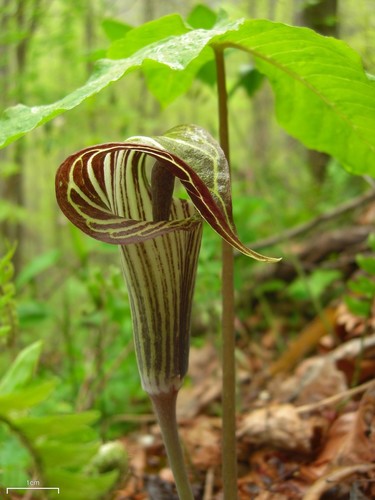
Kentucky, US
You might spot Jack-In-The-Pulpit and Prairie Trillium.
View guide →

Kentucky, US
You might spot Multiflora Rose, Eastern Newt, and American Beech.
View guide →

North Carolina, US
You might spot Galax, Mountain Laurel, and Downy Rattlesnake Plantain.
View guide →

Kentucky, US
You might spot Pond Slider, Crane-Fly Orchid, and Bloodroot.
View guide →
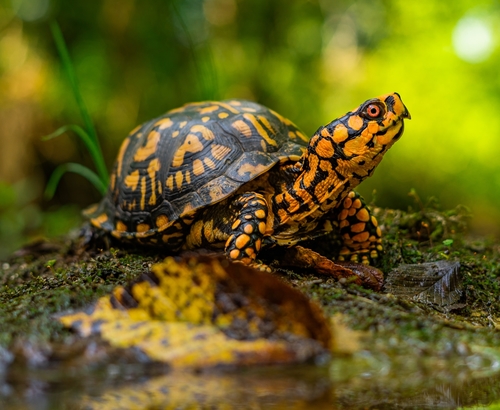
Indiana, US
You might spot Eastern Box Turtle and American Tuliptree.
View guide →

West Virginia, US
You might spot Common Merganser, Great Blue Heron, and Canada Goose.
View guide →
Take the discovery with you
Snap it with Snappit to identify it, learn what makes it special, and add the discovery to your collection.







.jpg&width=800)



_001.jpg&width=800)



