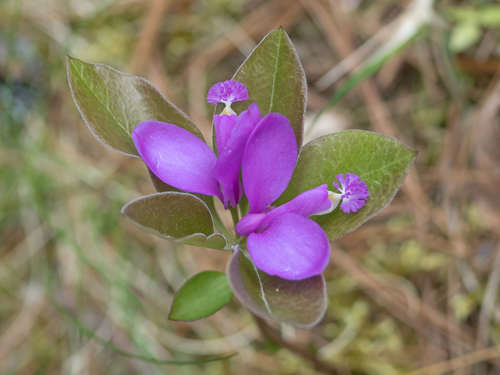
Mountain Laurel

Bear Meadows Natural Area is a rare and captivating boreal bog ecosystem in Pennsylvania.
Bear Meadows Natural Area is a rare and captivating boreal bog ecosystem in Pennsylvania. This National Natural Landmark offers a unique glimpse into an ancient landscape, distinct from typical Appalachian forests, providing an immersive natural experience. Its 890 acres within Rothrock State Forest protect a high mountain fen wetland, a relic from the last Ice Age, creating an environment rich in unusual plant life and diverse wildlife.
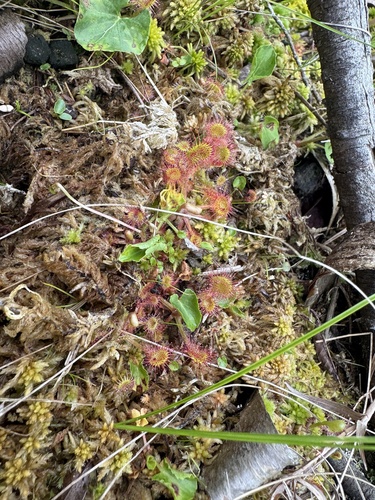
Visitors can explore the 3.5-mile Bear Meadows Loop, which winds through towering old-growth forests, skirts the edge of the fen wetland, and passes through enchanting rhododendron tunnels. The acidic, nutrient-poor soil of the bog supports a variety of specialized plants, including spongy sphagnum moss, leatherleaf, bog grasses, and even carnivorous plants. The area is also home to a relict boreal forest featuring black spruce, red spruce, and balsam fir, alongside expansive patches of highbush blueberries. Wildlife thrives here, with opportunities to spot amphibians, a remarkable diversity of dragonflies, waterfowl, and various songbirds.
Bear Meadows is an unforgettable destination for those seeking tranquility, ecological wonder, and a challenging yet rewarding outdoor adventure. Its pristine beauty and unique ecological features make it a haven for nature enthusiasts, hikers, birdwatchers, and anyone looking to escape into a landscape that feels more akin to northern Canada than central Pennsylvania. The preserve's commitment to protecting this rare ecosystem ensures a memorable visit where the natural world truly takes center stage. Eager to name that creature? Identify any animal you find during your visit using the Snappit app.
Bear Meadows Natural Area boasts a rich history of ecological significance and protection. Formed thousands of years ago, likely by beavers damming an outgoing stream, the area's unique fen wetland gradually developed into a deep peat bog. The vast accumulation of peat preserves spores from plants and trees dating back over 10,000 years, offering valuable insights into long-term climate changes and past vegetation, including species now found only in Siberia and northern Canada. Recognized for its exceptional natural value, Bear Meadows was designated as a United States National Natural Landmark in 1965 and as a State Forest Natural Area. Initially encompassing 500 acres, it has since expanded to 890 acres. In 2025 (as of the context date), the area was notably inducted into the national Old-Growth Forest Network, highlighting its significant old-growth mountain bog forest, which includes approximately 350 acres of superb old-growth forest.
Hiking: Explore the 3.5-mile Bear Meadows Loop Trail.
* **Birdwatching: ** The diverse plant life and tranquil wetland attract a variety of bird species, especially breeding warblers, alder flycatchers, and other birds of northern affinity.
* **Wildlife Observation: ** Look for amphibians, dragonflies, white-tailed deer, and potentially black bears or bobcats.
* **Photography: ** Capture the unique landscape, rare plants, and wildlife.
* **Nature Study: ** Observe the unique bog plants, such as sphagnum moss and carnivorous plants.
Spring (March-May): Migratory birds return, early wildflowers. Ground can be very muddy.
Summer (June-August): Rhododendrons bloom, highbush blueberries are ripe (July), and dragonflies are abundant.
Fall (September-November): Vibrant fall foliage, fewer insects.
Winter (December-February): Quiet, potentially snowy landscape, opportunities for winter finches. Waterproof boots are recommended in wet conditions.
The trail's gentle inclines and declines (less than 100 feet of elevation change) make it accessible for a range of fitness levels. Boardwalks are present in the wettest sections to protect the delicate ecosystem and assist hikers. However, the area is generally **not ADA accessible**, as some sections can be wet and muddy.
The central and most unique feature, providing a rare ecosystem to observe.
Areas surrounding the wetland feature towering hemlocks and other mature trees.
Portions of the loop trail pass through dense thickets of rhododendron, especially vibrant when blooming in mid-summer.
Allows visitors to view songbirds and other wildlife while minimizing impact on the sensitive habitat.
Each card links to a full Explore page with photos, traits, and fun facts.
Start with the big picture, then zoom in to explore individual wildlife observations around this place.
Wear appropriate footwear
Waterproof hiking boots are highly recommended, especially during wetter seasons, as parts of the trail can be very muddy and wet.
Bring insect repellent
As a wetland area, mosquitoes and other insects can be prevalent, particularly during warmer months.
Stay on marked trails
This protects the delicate ecosystem and ensures your safety in wet areas. Boardwalks are provided in sensitive sections.
Visit during blueberry season (July)
If you're interested in foraging (check local regulations) or observing wildlife attracted to the highbush blueberries, mid-summer is ideal. Be aware of bears.
Pack binoculars and a camera
The area is excellent for birdwatching and wildlife photography. An observation platform is available for discreet viewing.
"Leave No Trace"
Carry out everything you carry in to preserve the pristine nature of this protected area.
May 22, 2026
Photo attribution
(c) SiphonophoreSlinger, some rights reserved (CC BY)
License: CC BY 4.0 ↗
Image may be shown cropped inside the card frame.
Nov 9, 2025
Photo attribution
(c) SiphonophoreSlinger, some rights reserved (CC BY)
License: CC BY 4.0 ↗
Image may be shown cropped inside the card frame.
Oct 26, 2025
Photo attribution
(c) SiphonophoreSlinger, some rights reserved (CC BY)
License: CC BY 4.0 ↗
Image may be shown cropped inside the card frame.
May 19, 2026
May 19, 2026

Maryland, US
You might spot White-Tailed Deer and Eastern Gray Squirrel.
View guide →
.jpg)
District of Columbia, US
You might spot Eastern Gray Squirrel, Duck, and House Sparrow.
View guide →

Illinois, US
You might spot American Robin, Canada Goose, and House Sparrow.
View guide →

Virginia, US
You might spot Spotted Lanternfly and Northern Cardinal.
View guide →
Take the discovery with you
Identify the wildlife you spot, learn as you go, and keep a collection of the adventure.