Giraffes

Long Island Game Farm offers delightful wildlife encounters for all ages.
Long Island Game Farm offers delightful wildlife encounters for all ages.
Nestled in Manorville, New York, the Long Island Game Farm Wildlife Park and Children's Zoo has been a cherished destination since 1970, offering a unique blend of education, conservation, and family fun. It serves as a sanctuary for a diverse collection of exotic and local species, many of which have been rescued, rehabilitated, or re-homed, providing a safe and engaging environment for both animals and visitors. As Long Island's largest children's zoo and wildlife park, it fosters a deep connection with the natural world, emphasizing hands-on learning and memorable experiences.
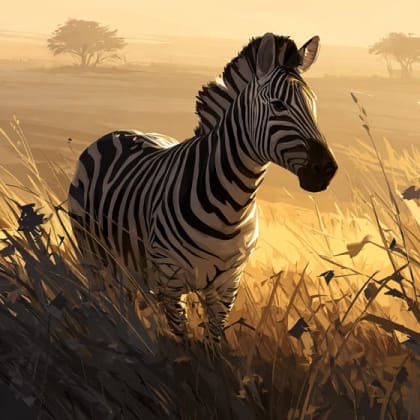
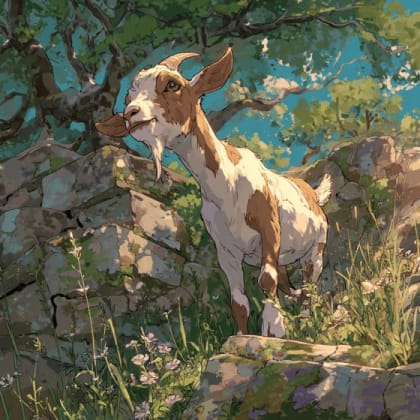
Visitors can immerse themselves in close-up interactions, feeding deer in the expansive Deer Park, bottle-feeding baby goats in the Nursery, and even meeting captivating creatures like the tree-hopping lemurs and the fluffy alpacas. The park features exciting exhibits with a variety of animals, from the majestic African serval cat, Nala, and the striped zebras, Zephyr and Thor, to the unique capybaras and wallabies, which visitors can often encounter through special programs. Unique attractions such as the Woodland Trail, complete with a larger-than-life Bird Nest Installation, invite exploration and discovery of nature's beauty.
The Long Island Game Farm is more than just a zoo; it's an interactive adventure where families can create lasting memories. With a focus on animal welfare and educational engagement, it provides opportunities for children and adults alike to learn about wildlife conservation and the importance of protecting our planet's creatures. From animal shows and zookeeper talks to exclusive VIP tours that offer behind-the-scenes access, every visit promises new discoveries and heartwarming moments with its fascinating residents. Eager to name that creature? Identify any animal you find during your visit using the Snappit app.
The Long Island Game Farm was founded in 1970 by Stanley and Diane Novak, who purchased a 26-acre hay and cattle farm in Manorville, New York, transforming it into Long Island's first zoo. It officially opened its doors in the spring of 1970, initially housing approximately 125 animals, a number that grew to 300 by its second season, including chimpanzees, monkeys, camels, and Himalayan snow bears. Throughout the 1970s and 80s, the park expanded its attractions, introducing features like Llamaland in 1973, a sea lion show in 1975, and a train circling the grounds in 1983. After Stanley Novak's passing in 1999, his daughter, Melinda, took the helm, shifting the park's focus primarily towards animals, nature, and education. Today, the family tradition continues with Melinda and her daughter, Chela, at the forefront, and in late summer 2023, the park further solidified its commitment to conservation by establishing a non-profit arm, the Foundation for Wildlife Sustainability, Inc.
Engage in animal encounters with capybaras, wallabies, or squirrel monkeys. Attend zookeeper talks to learn more about the animals, such as Nala the African serval cat or the zebras. Consider a VIP Tour for an exclusive, behind-the-scenes experience, which often includes animal food and milk bottles.
The park may close due to rain, so it's advisable to check their Facebook or Instagram pages for weather-related announcements before your visit. While primarily a warm-weather attraction, the farm has explored year-round openings, so always check their website for the most current operating schedule.
The park is wheelchair accessible, with numerous benches available for resting. However, visitors should be aware that The Nursery and Bambiland areas have uneven terrain and are not wheelchair accessible.
Don't miss feeding the deer in Deer Park, bottle-feeding the baby goats in The Nursery, and observing the captivating lemurs. The Wild Play Park offers an innovative space for children, while the Woodland Trail provides a calming nature walk. Be sure to check the daily schedule for Nature Nick's Animal Adventures or the new Aim High Canines dog show.
Each card links to a full Explore page with photos, traits, and fun facts.
Start with the big picture, then zoom in to explore individual wildlife observations around this place.
Arrive early
Especially on weekends or during peak season, arriving shortly after opening can help you beat the crowds and see animals when they are most active.
Purchase animal food
Enhance your experience by buying animal-safe food at the ticket booth or gift shop to feed the deer and goats.
Check the daily schedule
Upon arrival, consult the blackboard at the ticket booth or the website for zookeeper talks, animal shows, and encounter times to plan your day.
Wear comfortable shoes
You'll be doing a fair amount of walking, especially if you explore the Woodland Trail.
Wash your hands
Hand washing stations are conveniently located throughout the park, especially near animal interaction areas, and it's recommended to wash hands before and after touching animals.
Consider a VIP Tour
For a truly immersive experience and unique photo opportunities, book a VIP tour or animal encounter online in advance, as these can sell out quickly.
May 30, 2026
Photo attribution
(c) Frog The Kermit, some rights reserved (CC BY)
License: CC BY 4.0 ↗
Image may be shown cropped inside the card frame.
May 30, 2026
Photo attribution
(c) Frog The Kermit, some rights reserved (CC BY)
License: CC BY 4.0 ↗
Image may be shown cropped inside the card frame.
May 30, 2026
Photo attribution
(c) Frog The Kermit, some rights reserved (CC BY)
License: CC BY 4.0 ↗
Image may be shown cropped inside the card frame.
May 30, 2026
Photo attribution
(c) Frog The Kermit, some rights reserved (CC BY)
License: CC BY 4.0 ↗
Image may be shown cropped inside the card frame.
May 28, 2026
Photo attribution
no rights reserved
License: CC0 1.0 ↗
Image may be shown cropped inside the card frame.

Michigan, US
You might spot African Lion, Komodo Dragon, and Brown Bear.
View guide →
.jpg)
Municipal District of Cobh, IE
You might spot Ring-Tailed Lemur, Giraffes, and Cheetahs.
View guide →

Nouvelle-Aquitaine, FR
You might spot Greater Flamingo, Giraffes, and Red Panda.
View guide →

Texas, US
You might spot Giraffes, African Lion, and Eastern Black Rhinoceros.
View guide →
Take the discovery with you
Identify the wildlife you spot, learn as you go, and keep a collection of the adventure.