.jpg&width=800)





Rover Fireflies
Photinus
Rover Fireflies are magical little insects that light up the night with their glowing bodies. They love warm evenings and can be seen dancing in the air, creating a beautiful light show.
Habitat: Wetlands
The Rover Fireflies has an elongated, oval body, typically dark brown or black with a prominent reddish-yellow shield-like pronotum behind its head. Its abdomen ends in a glowing, segmented tip, distinguishing it from other night insects.
Category
InsectsRarity
Common
Danger
1/5 · Very low
Snaps
Be the first to snap!
Baby fireflies (larvae) are called 'glowworms' and also glow while living underground!
Each firefly species has its own secret flash code, like a unique Morse code message!
Firefly light is 'cold light'; almost no energy is wasted as heat, making it super efficient!
Scientists use their light for important medical research and to detect pollution!
Rover Fireflies can produce their own light using a chemical reaction that helps them signal for mates in the dark.
Rover Fireflies has special chemicals called lucibufagins that make them taste bad, helping them avoid hungry predators.
Rover Fireflies can blink in unique patterns and rhythms that help them find and identify their own kind in the night.
Adult Rover Fireflies might sip nectar or not eat, but their larvae are fierce hunters of soft-bodied creatures.
Age differences: Larvae are predatory, while adults may feed on nectar or not feed at all during their short lifespan.
Photuris versicolor
Mimics flashes to prey on males.

Helix aspersa
Firefly larvae consume this mollusk.
Deroceras reticulatum
Larvae prey on these soft-bodied slugs.
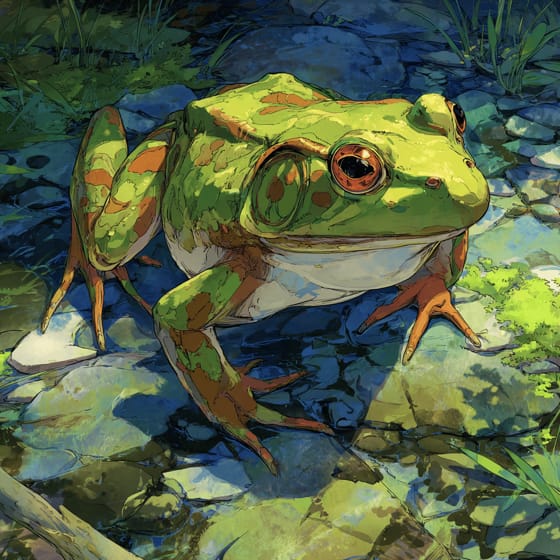
Lithobates catesbeianus
Some frogs may try to eat them but find them distasteful.
Social animals live in organized groups, cooperating for survival benefits such as foraging, defense, and raising offspring.
Aerial creatures spend a significant portion of their lives airborne, utilizing flight for various activities such as hunting, migration, or nesting.
Colorful describes organisms or objects displaying a wide range of bright and distinct colors.
This trait identifies organisms whose diet primarily consists of insects and other small invertebrates.

This habitat trait identifies species found in wetlands, which are areas of land saturated with water, either permanently or seasonally, including marshes, swamps, and bogs.

Pertaining to organisms that emit light through bioluminescence or fluorescence.

Nocturnal animals are primarily active during the nighttime hours, typically resting or sleeping during the day.

Describes organisms that transfer pollen, enabling the fertilization and reproduction of plants.
No aliases listed yet.
Danger
1/5 · Very low
It's best to watch fireflies from a distance and not catch them, so they can keep glowing.
The easiest way to identify Rover Fireflies is to use the Snappit nature identifier app.
20-36 mm
10-18 mm
14-28 days
8 km/h
Adult Rover Fireflies might sip nectar or not eat, but their larvae are fierce hunters of soft-bodied creatures.
Wetlands
Ambush
Zoom in to split clusters and explore where this object has been snapped.
Recent snaps will appear here as new observations are added.
Take the discovery with you
Snap it with Snappit to identify it, learn what makes it special, and add the discovery to your collection.









.jpg&width=800)



