





Rushes
juncus
Rushes are tall, grass-like plants that love to grow in wet places. They provide a cozy home for many small animals and help keep the water clean!
Habitat: Wetlands, marshes, and along riverbanks.
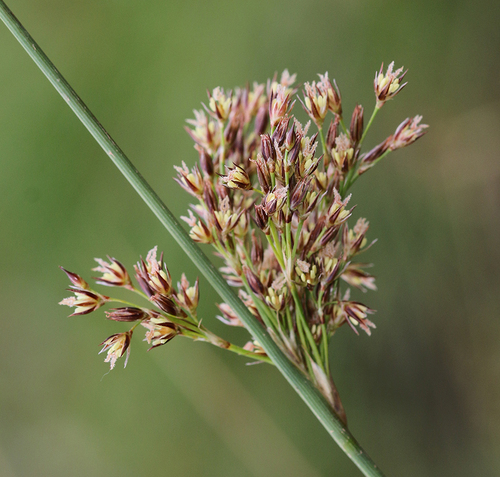
The Rushes has long, slender, upright stems that are typically round and solid, unlike hollow grasses. Its leaves are often reduced or appear as sheaths at the stem's base. Tiny, green or brown, inconspicuous flowers cluster near the stem's tip, blending into its grassy appearance.
Category
PlantsRarity
Common
Danger
0/5 · No known danger
Snaps
Be the first to snap!
Ancient people used the pithy center of rush stems as wicks for simple candles and oil lamps!
Rushes are "monocots," like grasses and lilies, but belong to their own special plant family called Juncaceae.
Rushes are wind-pollinated, meaning they don't need bright flowers or sweet nectar to attract buzzing insects.
The strong, solid stems of rushes were traditionally woven into sturdy mats, baskets, and even chair seats!
Rushes can absorb excess nutrients and pollutants from wet soil, helping to clean the water around them.
Rushes have tough, spreading root systems that hold soil together, stopping it from washing away during floods.
Rushes can thrive in waterlogged soil with low oxygen, where most other plants would struggle to grow.
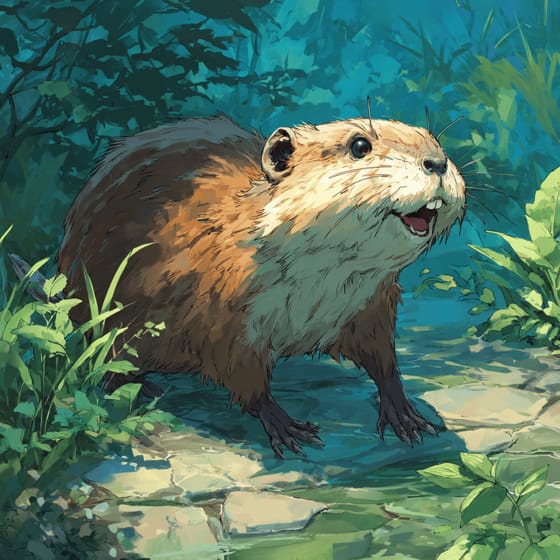
Ondatra zibethicus
eats the roots and stems of rushes
Anas platyrhynchos
nests and hides within dense rush clumps
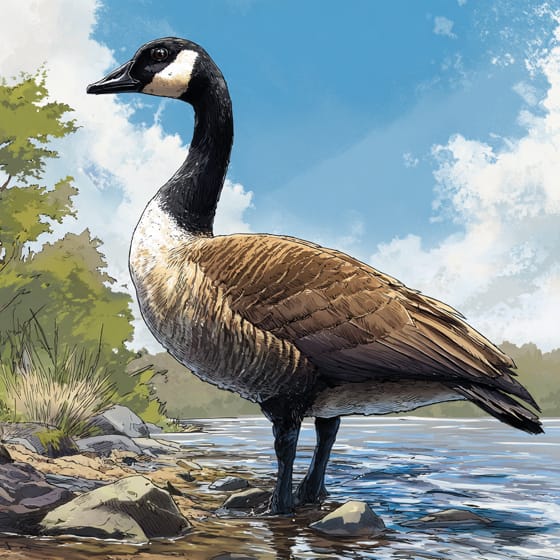
Branta canadensis
grazes on the tender shoots of rushes
Aphis juncus
sucks sap from rush stems and leaves
Social animals live in organized groups, cooperating for survival benefits such as foraging, defense, and raising offspring.
This trait characterizes organisms whose diet consists entirely or primarily of plant material.
Describes organisms that break down dead organic material, recycling nutrients back into the ecosystem.
Aquatic habitats encompass environments where organisms live predominantly in water, including oceans, rivers, lakes, and wetlands.

Endangered status indicates a species is at a very high risk of extinction in the wild in the near future.
Danger
0/5 · No known danger
No special safety notes yet.
The easiest way to identify Rushes is to use the Snappit nature identifier app.
10-150 cm
10-50 cm
Late Spring - Summer
No
None
Perennial
Wind
Zoom in to split clusters and explore where this object has been snapped.
Recent snaps will appear here as new observations are added.
Take the discovery with you
Snap it with Snappit to identify it, learn what makes it special, and add the discovery to your collection.









.jpg&width=800)



_001.jpg&width=800)




