




Western Seapurslane
Sesuvium verrucosum
Western Seapurslane is a fun, green plant that grows near the ocean! It has thick, fleshy leaves and pretty little flowers that can be pink or purple. This plant loves salty air and sandy soil.
Habitat: Coastal areas
The Western Seapurslane is a low-growing, sprawling succulent plant. It has thick, fleshy, bright green leaves that often turn reddish or purplish, and reddish stems. Its small, star-shaped flowers are typically purplish-pink, distinguishing it with its vibrant, succulent appearance.
Category
PlantsRarity
Common
Danger
1/5 · Very low
Snaps
Be the first to snap!
It produces tiny, shiny black seeds that are a food source for some wildlife!
Its leaves are sometimes called 'sea pickle' because they're crunchy and salty!
This amazing plant can actually help stabilize sandy coastal dunes!
When stressed, its usually green leaves can turn a beautiful reddish-purple!
Western Seapurslane can grow in very salty soils and tolerate brackish water, helping it thrive where most plants cannot.
Western Seapurslane has thick, succulent leaves that store precious water, helping it survive in dry, arid coastal environments.
Western Seapurslane can quickly root along its creeping stems, helping it form dense mats and colonize open areas.
Apis mellifera
visits flowers for nectar and pollen.
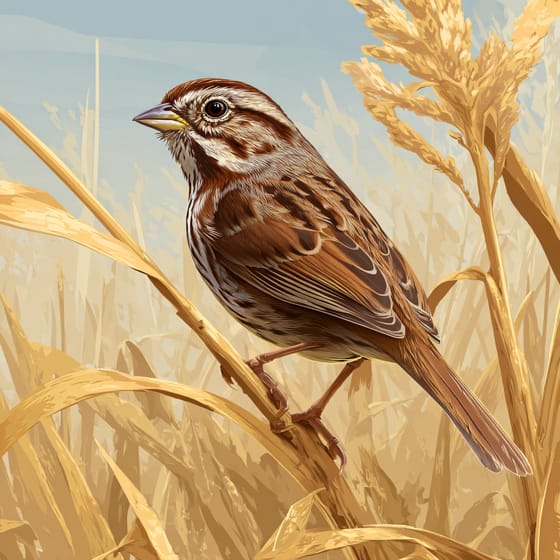
Melospiza melodia
forages for seeds from the plant.

Distichlis spicata
co-exists in salt-tolerant coastal habitats.
Flowering plants are any plants that produce flowers as part of their reproductive cycle.
Salt tolerant plants can withstand and grow in conditions with elevated salinity levels in the soil or water.
Drought-tolerant plants can survive and flourish in conditions with limited water availability.
Succulent plants have thickened, fleshy parts, usually leaves or stems, adapted to store water in arid climates.

Describes plants that are particularly attractive and beneficial to a wide range of pollinating organisms.

Coastal habitats are dynamic environments located along the interface between land and sea, influenced by tides, waves, and saltwater.

Marine habitats encompass all saltwater environments of the Earth's oceans, supporting an immense diversity of aquatic life.
No aliases listed yet.
Danger
1/5 · Very low
Always look but don't touch plants without asking an adult first.
The easiest way to identify Western Seapurslane is to use the Snappit nature identifier app.
5-30 cm
30-100 cm
0.5-1.5 cm
Summer-fall
Yes
None
Perennial
Zoom in to split clusters and explore where this object has been snapped.
Recent snaps will appear here as new observations are added.
Take the discovery with you
Snap it with Snappit to identify it, learn what makes it special, and add the discovery to your collection.








.jpg&width=800)



_001.jpg&width=800)




