





Saddlebag Gliders
Tramea
Saddlebag Gliders are colorful dragonflies that love to fly over water. They have big, beautiful wings and can be seen darting around in sunny areas, making them fun to watch!
Habitat: Wetlands
The Saddlebag Gliders has a slender body, often reddish-brown, with striking dark patches resembling saddlebags at the base of its hindwings. These broad wings and the dark markings make them easily distinguishable from other dragonflies.
Category
InsectsRarity
Common
Danger
1/5 · Very low
Snaps
Be the first to snap!
A single Saddlebag Glider can devour hundreds of pesky mosquitoes daily!
Baby Saddlebag Gliders live underwater for years, breathing with gills!
Some Saddlebag Gliders embark on epic journeys, crossing vast oceans!
These amazing insects can instantly stop and hover perfectly in mid-air!
Saddlebag Gliders has large, dark patches on hindwings that help them glide effortlessly and identify each other.
Saddlebag Gliders can spot tiny insects in mid-air because their huge compound eyes provide almost 360-degree vision.
Saddlebag Gliders can catch flying insects with incredible agility because their powerful wings allow instant direction changes.
Saddlebag Gliders can travel thousands of kilometers because their strong, gliding wings allow migration to warmer climates.
They are expert hunters, catching and eating other flying insects like mosquitoes and flies.
Age differences: Larvae eat aquatic insects; adults hunt flying insects.
Culex pipiens
A key food source for adult dragonflies.
Musca domestica
Adults skillfully catch these common flying insects.
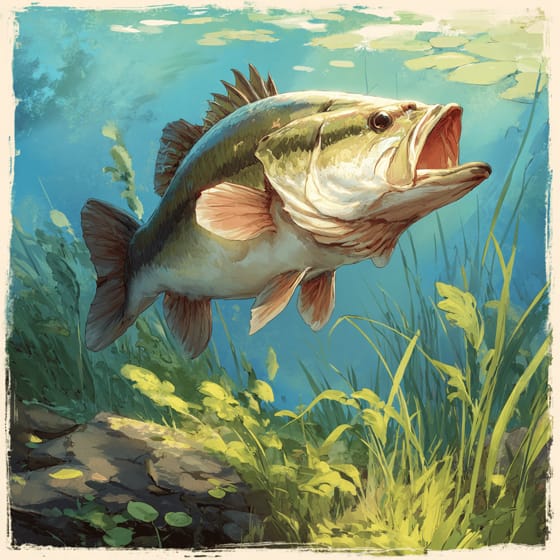
Micropterus salmoides
Fish prey on young Saddlebag Gliders living underwater.
.jpg&width=800)
Tyrannus tyrannus
Birds often snatch adult dragonflies in mid-flight.
Solitary animals live alone for most of their lives, only interacting with others for mating or parental care.
Aerial creatures spend a significant portion of their lives airborne, utilizing flight for various activities such as hunting, migration, or nesting.
Colorful describes organisms or objects displaying a wide range of bright and distinct colors.
This trait identifies organisms whose diet primarily consists of insects and other small invertebrates.

This habitat trait identifies species found in wetlands, which are areas of land saturated with water, either permanently or seasonally, including marshes, swamps, and bogs.

Diurnal animals are primarily active during daylight hours, typically resting or sleeping at night.

Freshwater habitats include non-saline aquatic environments such as rivers, lakes, ponds, and wetlands, vital for numerous species.

This trait identifies organisms that exhibit exceptional swiftness in movement for hunting, escape, or travel.

Describes organisms that transfer pollen, enabling the fertilization and reproduction of plants.
No aliases listed yet.
Danger
1/5 · Very low
It's safe to watch dragonflies, but don't try to catch them. They are best enjoyed flying free!
The easiest way to identify Saddlebag Gliders is to use the Snappit nature identifier app.
70-100 mm
40-60 mm
30-90 days
45 km/h
They are expert hunters, catching and eating other flying insects like mosquitoes and flies.
Wetlands
Pursuit
Zoom in to split clusters and explore where this object has been snapped.
Recent snaps will appear here as new observations are added.
Take the discovery with you
Snap it with Snappit to identify it, learn what makes it special, and add the discovery to your collection.








.jpg&width=800)



