





Saffron
Crocus sativus
Saffron is a special spice that comes from the flower of a plant. It has a bright red color and a delicious smell. People use saffron to add flavor and color to their food.
Habitat: Mediterranean regions
The Saffron plant has delicate, vibrant purple or lilac cup-shaped flowers. Inside each blossom, three striking crimson-red stigmas dramatically contrast with three bright yellow anthers, making it easily recognizable.
Category
PlantsRarity
Common
Danger
1/5 · Very low
Snaps
Be the first to snap!
Ancient pharaohs used saffron as a royal perfume and even as medicine!
Each delicate purple flower produces only three tiny, precious red threads.
Saffron is the world's most expensive spice, costing more than silver by weight!
This plant doesn't grow wild; it needs people to cultivate it to survive.
Saffron has vivid purple petals and bright red stigmas that powerfully attract essential insect pollinators.
Saffron has underground corms, like small bulbs, that store energy to survive cold winters and regrow each year.
Apis mellifera
Bees collect nectar and pollen from its flowers.

Arion ater
Slugs may feed on the plant's leaves and corms.
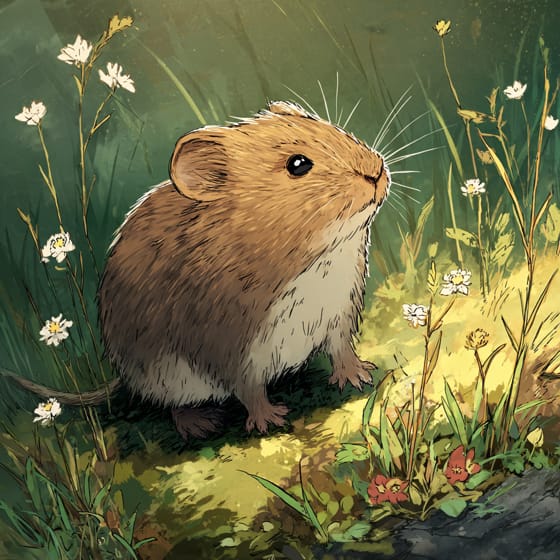
Microtus arvalis
Voles can consume the plant's underground corms.
This human use trait indicates species from which natural dyes can be extracted and used to color textiles, food, or other materials.
Fragrant flowers emit a pleasant aroma, often to attract pollinators or for defense.
Medicinal plants possess chemical compounds that can be used for therapeutic purposes to treat illnesses or maintain health.
Edible plants are those parts of a plant that are considered safe for human consumption.

This trait characterizes organisms whose diet consists entirely or primarily of plant material.

This human use trait indicates species from which spices are derived, used for flavoring, preserving food, or as aromatic agents.

Endangered status indicates a species is at a very high risk of extinction in the wild in the near future.
Danger
1/5 · Very low
Saffron is safe to use in cooking but should only be handled by adults due to its high value and the delicate process of harvesting.
The easiest way to identify Saffron is to use the Snappit nature identifier app.
10-30 cm
10-20 cm
3-5 cm
Fall
Yes
Mild
Perennial
Zoom in to split clusters and explore where this object has been snapped.
Recent snaps will appear here as new observations are added.
Take the discovery with you
Snap it with Snappit to identify it, learn what makes it special, and add the discovery to your collection.









.jpg&width=800)


_001.jpg&width=800)



