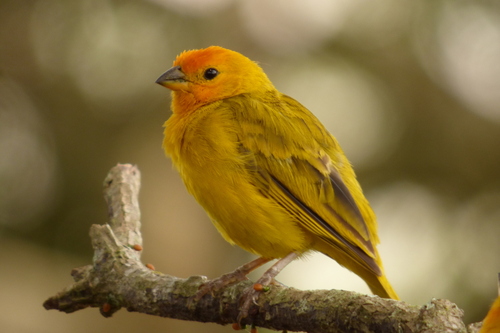


Saffron Finch
sicalis flaveola
The Saffron Finch is a vibrant, small passerine bird that brings a splash of brilliant color to the open landscapes of South America. Known for its dazzling golden-yellow plumage and lively, melodious song, this charming member of the tanager family is a beloved sight in urban parks, backyards, and agricultural fields alike. They are social birds that frequently gather in small flocks, hopping busily across lawns and pastures in search of food. Their bright appearance and cheerful behavior make them one of the most recognizable and endearing avian residents of their native range.
Habitat: Found in open and semi-open lowlands, including savannas, pastures, urban parks, shrublands, and agricultural fields.
The adult male Saffron Finch is instantly recognizable by its bright saffron-yellow body, accented by a striking, fiery orange-yellow crown and forehead. Its wings and tail are slightly darker yellow with subtle olive-brown shading. Females are notably more subdued, featuring an olive-yellow or grayish-brown coloration with fine streaking, though some older females can mimic the bright yellow of males. They possess a short, stout, conical bill perfectly adapted for cracking seeds, dark eyes, and pinkish-gray legs, measuring about 13 to 15 centimeters in length.
Category
BirdsRarity
Common
Danger
1/5 · Very low
Snaps
3
Despite their gentle appearance, males are highly territorial and aggressive, and were historically used in illegal bird-fighting games.
Outside of the breeding season, Saffron Finches are incredibly social and can form mixed-species foraging flocks with other seed-eating birds.
They are highly adaptable nesters and will readily move into artificial nest boxes, bamboo segments, or even crevices in house roofs.
Possesses a loud, musical, and repetitive song used by males to aggressively defend territories and attract mates during the breeding season.
Frequently saves energy by nesting in abandoned structures, such as the sturdy mud nests of Rufous Horneros or hollow fence posts.
Highly adapted for rapid hopping and precise seed extraction from dense grass and soil surfaces.
Feeds primarily on a wide variety of seeds, supplemented with small insects and spiders, especially during the breeding season.
Age differences: Chicks are fed an insect-heavy diet rich in protein to support rapid development before transitioning to a seed-dominant diet as adults.
Furnarius rufus
The Saffron Finch regularly colonizes the sturdy, abandoned dome-shaped mud nests built by this species.
Molothrus bonariensis
The Saffron Finch is a frequent host to this brood parasite, which lays its eggs in the finch's nest.
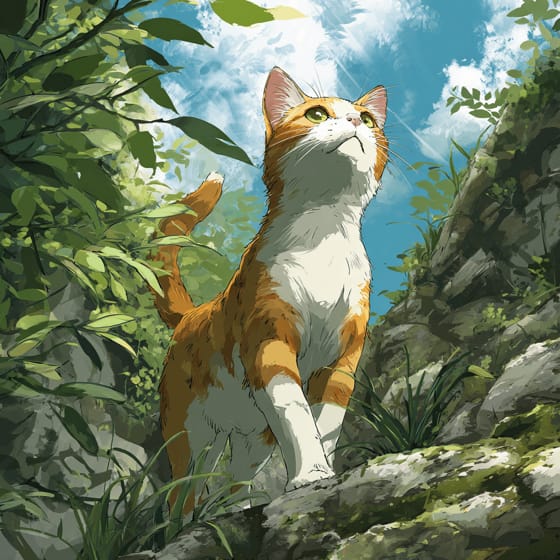
Felis catus
This domestic predator frequently hunts ground-foraging Saffron Finches in urban and suburban yards.
No trait badges are assigned for this object yet.
No aliases listed yet.
Collections for this object will appear here as more themes are added.
Danger
1/5 · Very low
No special safety notes yet.
The easiest way to identify Saffron Finch is to use the Snappit nature identifier app.
13-15 cm
18-23 cm
0.012-0.022 kg
5-10 years
35 km/h
Feeds primarily on a wide variety of seeds, supplemented with small insects and spiders, especially during the breeding season.
Found in open and semi-open lowlands, including savannas, pastures, urban parks, shrublands, and agricultural fields.
Zoom in to split clusters and explore where this object has been snapped.

Hawaii, US
You might spot Gold Dust Day Gecko, Yellow Tang, and Black Triggerfish.
View guide →

Hawaii, US
You might spot Yellow ʻilima, Indian Tulip Tree, and Yellow Tang.
View guide →

Hawaii, US
You might spot Gold Dust Day Gecko, Red Junglefowl, and Brown Anole.
View guide →
Take the discovery with you
Snap it with Snappit to identify it, learn what makes it special, and add the discovery to your collection.







.jpg&width=800)









