





Salt Marsh Skipper
Panoquina panoquin
The Salt Marsh Skipper is a small butterfly that loves to flutter around in wet, grassy areas. Its wings are brown with orange spots, making it look like a tiny piece of nature's art!
Habitat: Coastal areas
The Salt Marsh Skipper is a small, stout-bodied butterfly with a swift, darting flight. It typically has dull brown wings, often with faint orange or yellowish patches and small, translucent spots. Its antennae have a distinctive hooked tip, setting it apart from many other butterflies.
Category
InsectsRarity
Common
Danger
1/5 · Very low
Snaps
4
Even though they're called skippers, they are actually a type of butterfly, just with a thicker body!
Salt Marsh Skippers have special hooked antennae, unlike most butterflies, which have straight ones!
Their caterpillars are amazing engineers, rolling up grass blades to create a safe home and eating spot!
Their name comes from their super-fast, zig-zag flight, like skipping a stone across water!
Salt Marsh Skippers have drab brown wings that help them blend perfectly with dried marsh grasses, keeping them hidden.
Salt Marsh Skippers can fly in quick, unpredictable zig-zag patterns, making it very hard for predators to catch them.
Caterpillars of the Salt Marsh Skipper can roll up grass blades to create a safe, camouflaged home for themselves.
Adults drink flower nectar for energy; caterpillars munch on specific marsh grasses.
Age differences: Larvae (caterpillars) eat grass leaves, while adults exclusively feed on flower nectar.
Spartina alterniflora
Its caterpillars munch on cordgrass leaves, their primary food source.
_-_Guelph%2C_Ontario.jpg&width=800)
Asclepias incarnata
Adult skippers drink nectar from this and other marsh flowers for energy.
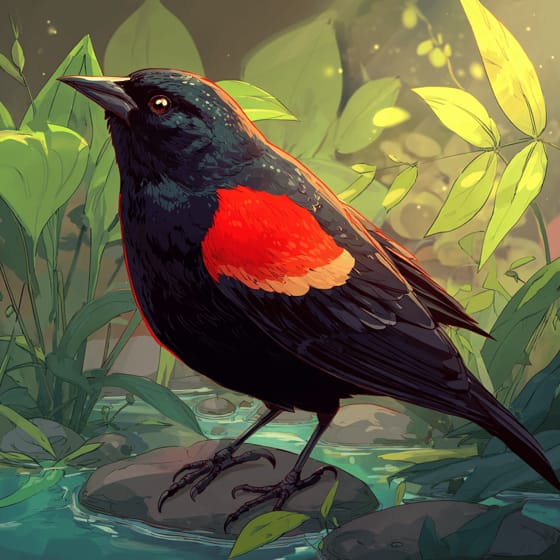
Agelaius phoeniceus
These common marsh birds often prey on adult skippers and their larvae.
Marked with spots or patches of a different color.
Solitary animals live alone for most of their lives, only interacting with others for mating or parental care.
Colorful describes organisms or objects displaying a wide range of bright and distinct colors.
This trait characterizes organisms whose diet consists entirely or primarily of plant material.

Describes plants that are particularly attractive and beneficial to a wide range of pollinating organisms.

This habitat trait identifies species found in wetlands, which are areas of land saturated with water, either permanently or seasonally, including marshes, swamps, and bogs.

Coastal habitats are dynamic environments located along the interface between land and sea, influenced by tides, waves, and saltwater.

Diurnal animals are primarily active during daylight hours, typically resting or sleeping at night.

Describes organisms that transfer pollen, enabling the fertilization and reproduction of plants.
No aliases listed yet.
Danger
1/5 · Very low
It's best to watch butterflies from a distance so you don't scare them away.
The easiest way to identify Salt Marsh Skipper is to use the Snappit nature identifier app.
25-35 mm
15-20 mm
10-20 days
8 km/h
Adults drink flower nectar for energy; caterpillars munch on specific marsh grasses.
Coastal areas
Foraging
Zoom in to split clusters and explore where this object has been snapped.

Florida, US
You might spot American Beautyberry and Brown Anole.
View guide →

Virginia, US
You might spot Squareback Marsh Crab and American Trumpet Vine.
View guide →

Georgia, US
You might spot Monarch, Sandhill Milkweed, and Fiery Skipper.
View guide →
Take the discovery with you
Snap it with Snappit to identify it, learn what makes it special, and add the discovery to your collection.







.jpg&width=800)



