





Saltbushes
Atriplex
Saltbushes are special plants that grow in dry places and can survive with very little water. They have soft, silvery leaves and can help protect the soil from blowing away.
Habitat: Desert
The Saltbushes has distinct silvery-grey to greenish leaves, often coated in tiny, salt-excreting scales giving them a powdery look. These plants typically grow as sprawling shrubs or low bushes, sometimes forming dense thickets. Their unique leaf texture makes them stand out in arid landscapes.
Category
PlantsRarity
Common
Danger
1/5 · Very low
Snaps
Be the first to snap!
Ancient people used Saltbush leaves to wrap food for cooking, adding a unique flavor.
Saltbush plants are super useful for turning degraded, salty land back into healthy soil.
Some Saltbush species produce edible seeds that can be ground into flour!
Their leaves can taste salty or slightly sour, making them a unique snack in the wild!
Saltbushes can absorb salty water and store the extra salt in special bladder cells, then shed them to get rid of it.
Saltbushes has thick, often silvery leaves that reflect sunlight and reduce water loss, helping it survive very dry conditions.
Saltbushes has strong, extensive root systems that help stabilize soil, preventing erosion in windy or flood-prone areas.
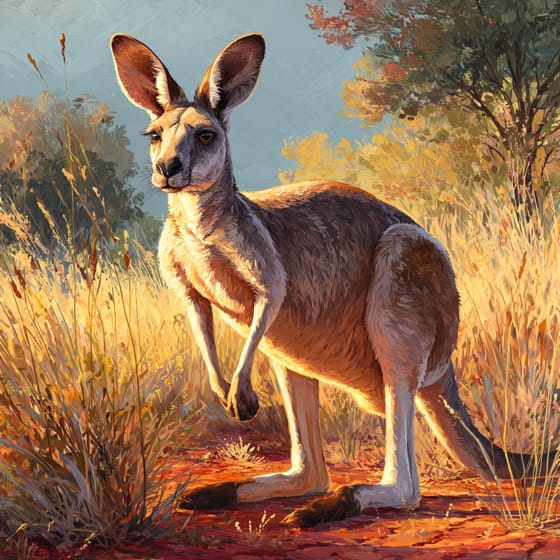
Macropus rufus
Leaves are a key food source

Ovis aries
Grazes on leaves and shoots
Theclinesthes serpentata
Larvae feed on the leaves
Malurus cyaneus
Dense bushes provide cover
Flowering plants are any plants that produce flowers as part of their reproductive cycle.
A shrub is a woody plant smaller than a tree, typically with multiple stems branching from or near the ground.
Salt tolerant plants can withstand and grow in conditions with elevated salinity levels in the soil or water.
Drought-tolerant plants can survive and flourish in conditions with limited water availability.

Edible plants are those parts of a plant that are considered safe for human consumption.

Desert habitats are arid regions characterized by extremely low precipitation and often extreme temperatures, supporting specialized flora and fauna.

Describes a species whose presence and role have a disproportionately large effect on its environment.
Danger
1/5 · Very low
Always look but don't touch plants unless you know they are safe.
The easiest way to identify Saltbushes is to use the Snappit nature identifier app.
30-300 cm
50-250 cm
Spring-Autumn
Yes
None
Perennial
Wind
Zoom in to split clusters and explore where this object has been snapped.
Recent snaps will appear here as new observations are added.
Take the discovery with you
Snap it with Snappit to identify it, learn what makes it special, and add the discovery to your collection.








.jpg&width=800)



_001.jpg&width=800)



