





Saltmarsh Sparrow
Ammospiza caudacuta
The Saltmarsh Sparrow is a small bird that loves to live in marshy areas. It has a beautiful brown and gray color and sings sweet songs while hopping around in the grass.
Habitat: Coastal areas
The Saltmarsh Sparrow is a small, streaky brown bird. It has a distinctive bright orange-buff face and breast, with a grey crown and dark streaks on its flanks. Its short tail and subtle markings help it blend into marsh grasses.
Category
BirdsRarity
Rare
Danger
1/5 · Very low
Snaps
2
Male Saltmarsh Sparrows sometimes help feed chicks that are not even their own.
Saltmarsh Sparrows build their speedy nests in just a few hours between high tides!
Their simple, buzzy song sounds like a soft 'sis-sis-sis-tchoo' to keen listeners.
You can only find these unique sparrows living in salty wetlands along the Atlantic coast.
Saltmarsh Sparrows build nests quickly just above high tide marks, helping their eggs stay safe from rising waters.
Saltmarsh Sparrows can drink saltwater, thanks to special glands that remove extra salt, allowing them to thrive by the sea.
The Saltmarsh Sparrow has perfectly streaked feathers that help it disappear into the tall, swaying marsh grasses.
Tiny marsh birds that mostly eat small insects and spiders, but also enjoy seeds.
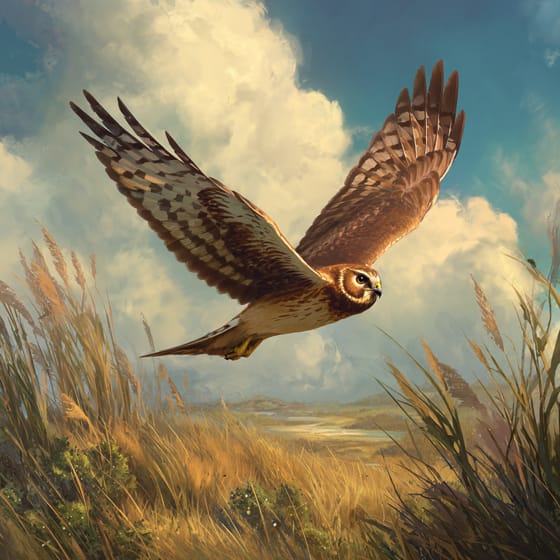
Circus hudsonius
hunts them while flying low over the marsh.

Procyon lotor
preys on nests and birds during low tide.
Uca pugnax
forages for small crabs in the marsh mud.
Spartina alterniflora
uses this abundant marsh grass for nesting and shelter.
Feathered describes animals, primarily birds, possessing a covering of feathers.
Social animals live in organized groups, cooperating for survival benefits such as foraging, defense, and raising offspring.
Singing animals produce complex vocalizations, often for purposes of attracting mates, defending territory, or communicating within their species.
Camouflaged describes organisms that possess coloring or patterns that allow them to blend into their environment.

This trait identifies organisms whose diet primarily consists of insects and other small invertebrates.

This habitat trait identifies species found in wetlands, which are areas of land saturated with water, either permanently or seasonally, including marshes, swamps, and bogs.

Coastal habitats are dynamic environments located along the interface between land and sea, influenced by tides, waves, and saltwater.

Diurnal animals are primarily active during daylight hours, typically resting or sleeping at night.

Threatened status denotes a species likely to become endangered in the foreseeable future without effective conservation interventions.
No aliases listed yet.
Danger
1/5 · Very low
Enjoy watching birds from a distance, and don't disturb their nests.
The easiest way to identify Saltmarsh Sparrow is to use the Snappit nature identifier app.
11-14 cm
18-20 cm
0.012-0.022 kg
2-9 years
35 km/h
Tiny marsh birds that mostly eat small insects and spiders, but also enjoy seeds.
Coastal areas
Zoom in to split clusters and explore where this object has been snapped.

Connecticut, US
You might spot Osprey, Diamondback Terrapin, and Monarch.
View guide →

Connecticut, US
You might spot Osprey, Monarch, and Common Reed.
View guide →

New York, US
You might spot Osprey, Diamondback Terrapin, and Clapper Rail.
View guide →
Take the discovery with you
Snap it with Snappit to identify it, learn what makes it special, and add the discovery to your collection.





.jpg&width=800)









