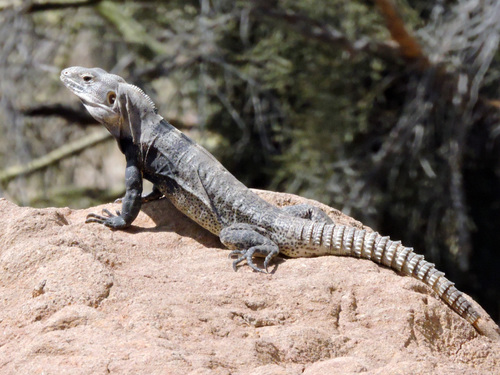





San Esteban Island × Sonoran Spiny-Tailed Iguana
ctenosaura conspicuosa × macrolopha
This unique reptile is a fascinating hybrid between the San Esteban Island Spiny-Tailed Iguana (Ctenosaura conspicuosa) and the Sonoran Spiny-Tailed Iguana (Ctenosaura macrolopha). Originating from the arid coastal environments of Sonora and the Gulf of California, this hybrid showcases an incredible blend of island and mainland adaptations. These reptiles are highly resilient, adjusting effortlessly to rocky terrains, scorching heat, and sparse vegetation. Because of their mixed heritage, they offer researchers a rare window into the genetic fluidity and evolutionary dynamics of the genus Ctenosaura. They are active during the day, spending much of their time basking on sun-baked rocks to regulate their body temperature, while remaining ever-vigilant for potential predators or encroaching rivals.
Habitat: Found in arid desert scrublands, rocky hillsides, and coastal deciduous thorn forests of northwestern Mexico.
This medium-to-large iguana features a robust, heavily built body with a distinctive tail ringed by whorls of sharp, prominent spines. Its coloration is typically a mixture of dusty grey, charcoal, and light tan, creating a mottled pattern that provides excellent camouflage against desert rocks. Some individuals display faint vertical banding along their flanks and a dark patch behind the forelimbs. They possess a modest dorsal crest of spike-like scales running down the neck and back, along with strong, clawed limbs suited for climbing.
Category
ReptilesRarity
Common
Danger
1/5 · Very low
Snaps
3
Because it is a hybrid of island and mainland species, its physical traits can vary wildly, with some individuals closely resembling one parent over the other.
The spiny tail scales that give this genus its name are so sharp they can easily draw blood if handled carelessly.
These iguanas are exceptionally agile climbers, often scaling vertical rock faces and desert trees to feed or escape danger.
Uses its heavily armored, spiny tail as a defensive weapon, whipping it side-to-side to deter predators.
Possesses a specialized light-sensitive 'third eye' on top of its head to detect overhead predators.
Excretes excess salt through specialized nasal glands, allowing it to survive on highly saline desert vegetation.
Feeds primarily on desert foliage, cactus fruits, and flowers, but opportunistically consumes insects and small vertebrates.
Age differences: Juveniles consume a high percentage of insects for protein, whereas adults transition to a mostly herbivorous diet.
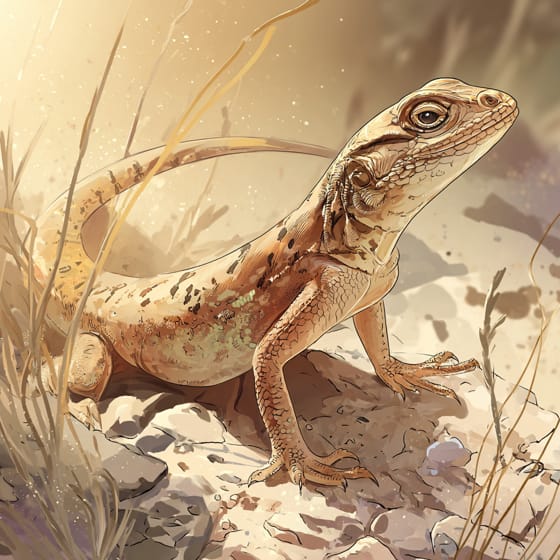
Uta stansburiana
Predates on juveniles and competes with adults for nesting sites.
Stenocereus thurberi
Consumes the sweet fruit and aids in seed dispersal.
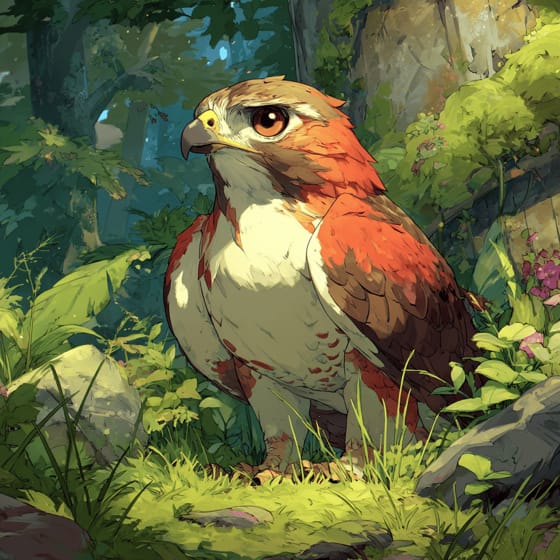
Buteo jamaicensis
Preys upon juvenile iguanas basking in open areas.
Solitary animals live alone for most of their lives, only interacting with others for mating or parental care.
This trait identifies organisms whose diet includes both plant and animal matter.
Burrowing animals dig tunnels and chambers in the ground, using these subterranean structures for shelter, hunting, or breeding.
Colorful describes organisms or objects displaying a wide range of bright and distinct colors.

This trait characterizes organisms whose diet consists entirely or primarily of plant material.

Desert habitats are arid regions characterized by extremely low precipitation and often extreme temperatures, supporting specialized flora and fauna.

Possessing sharp, pointed projections or spines on the body or surface.

Diurnal animals are primarily active during daylight hours, typically resting or sleeping at night.

Endangered status indicates a species is at a very high risk of extinction in the wild in the near future.
No aliases listed yet.
Collections for this object will appear here as more themes are added.
Danger
1/5 · Very low
No special safety notes yet.
The easiest way to identify San Esteban Island × Sonoran Spiny-Tailed Iguana is to use the Snappit nature identifier app.
50-100 cm
1-3.5 kg
15-25 years
25 km/h
Feeds primarily on desert foliage, cactus fruits, and flowers, but opportunistically consumes insects and small vertebrates.
Found in arid desert scrublands, rocky hillsides, and coastal deciduous thorn forests of northwestern Mexico.
Foraging
Zoom in to split clusters and explore where this object has been snapped.
Take the discovery with you
Snap it with Snappit to identify it, learn what makes it special, and add the discovery to your collection.












