





Sand Leek
Allium scorodoprasum
The Sand Leek is a tasty plant that grows in sandy places. It has long, green leaves and a mild onion flavor, making it a fun addition to meals!
Habitat: Coastal areas
The Sand Leek is a tall, slender plant with grass-like leaves and a globe-shaped cluster of small, bell-shaped flowers. These purplish-pink blooms are often mixed with tiny green bulbils, making its flower head distinct.
Category
PlantsRarity
Common
Danger
1/5 · Very low
Snaps
Be the first to snap!
Instead of just seeds, this plant often grows tiny edible mini-bulbs right on its flower stalk!
Its Latin name, *scorodoprasum*, means 'garlic-leek' because of its unique flavor!
People have enjoyed eating Sand Leeks for centuries, even in ancient times!
The Sand Leek is sometimes called 'Serpent Garlic' because its flower stalks can twist and turn!
Sand Leek can grow tiny baby bulbs (bulbils) right in its flower head, allowing it to easily make new plants without seeds!
This plant has a powerful garlicky scent from its leaves and bulbs that helps deter hungry animals from eating it.
Sand Leek has special roots and bulbs that help it thrive in dry, sandy soils where many other plants struggle.
Apis mellifera
Collects nectar and pollen from flowers.
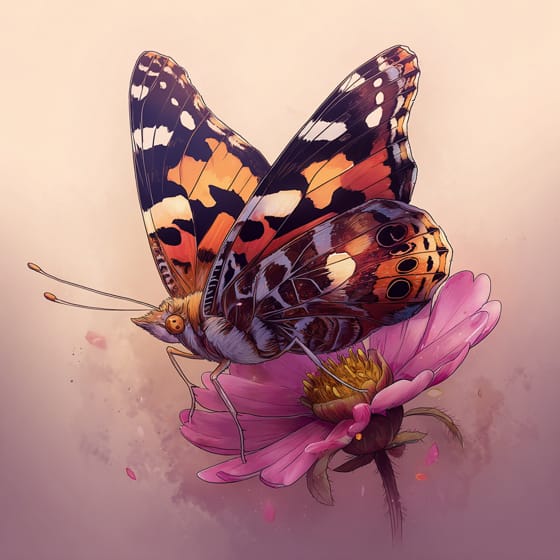
Vanessa cardui
Visits flowers for nectar, spreading pollen.
Delia antiqua
Larvae feed on the underground bulbs.
Puccinia allii
Fungus causes reddish spots on its leaves.
Aromatic plants produce and emit fragrant volatile organic compounds, often for defense or to attract pollinators.
Flowering plants are any plants that produce flowers as part of their reproductive cycle.
Grass-like plants are herbaceous plants that visually resemble true grasses, typically having long, narrow leaves.
Edible plants are those parts of a plant that are considered safe for human consumption.

Describes plants that are particularly attractive and beneficial to a wide range of pollinating organisms.

This human use trait indicates species from which spices are derived, used for flavoring, preserving food, or as aromatic agents.

Coastal habitats are dynamic environments located along the interface between land and sea, influenced by tides, waves, and saltwater.
No aliases listed yet.
Danger
1/5 · Very low
Always ask an adult before picking or eating any plants.
The easiest way to identify Sand Leek is to use the Snappit nature identifier app.
30-90 cm
0.3-0.4 cm
Summer
Yes
None
Perennial
Insect
Zoom in to split clusters and explore where this object has been snapped.
Recent snaps will appear here as new observations are added.
Take the discovery with you
Snap it with Snappit to identify it, learn what makes it special, and add the discovery to your collection.








.jpg&width=800)



_001.jpg&width=800)



