





Hooker's fairybells
Prosartes hookeri
Hooker's fairybells are lovely little plants with bell-shaped flowers that hang down. They grow in shady forests and are a special sight when you find them blooming in spring!
Habitat: Forests
The Hooker's fairybells has delicate, nodding bell-shaped flowers that are typically yellowish-green to creamy white. Its stems are often branched, bearing bright green, oval leaves with prominent parallel veins. The plant forms small clusters, creating a charming display in shady forest understories.
Category
PlantsRarity
Common
Danger
1/5 · Very low
Snaps
2
After the flowers fade, bright red-orange berries appear, adding a splash of color to the forest!
Hooker's fairybells' leaves have distinctive parallel veins, making them easy to identify!
Its scientific name, Prosartes, means "appendage," perhaps for its dangling flower parts!
These vibrant berries, while not tasty for humans, are an important food source for some wildlife!
Hooker's fairybells has a creeping rhizome that helps it spread, creating new plants and surviving harsh conditions underground.
This plant can thrive in deep forest shade, efficiently using the low light filtering through the canopy to grow.
Its subtle, bell-shaped flowers produce nectar, attracting small insects like hoverflies and bees for pollination.
Bombus melanopygus
collects nectar from its bell-shaped flowers
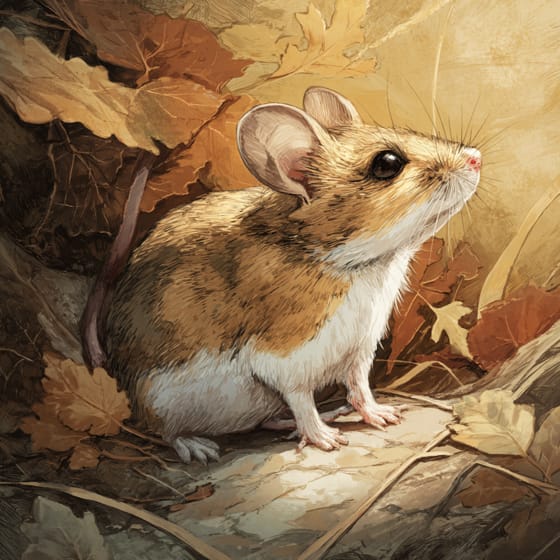
Peromyscus maniculatus
consumes its red-orange berries, aiding seed dispersal
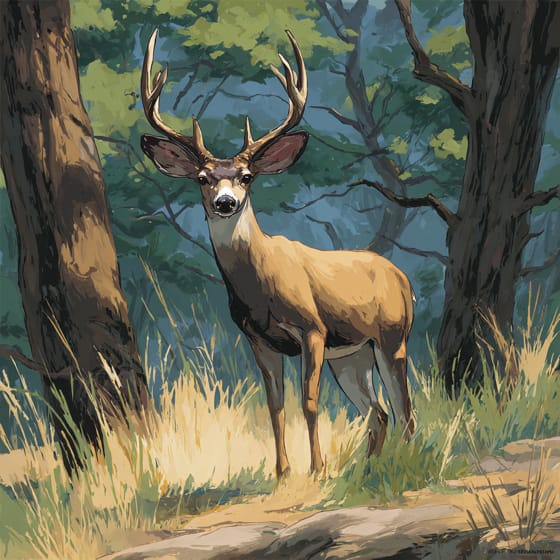
Odocoileus hemionus
browses on its tender leaves and shoots
Bell-shaped flowers possess petals fused or arranged to form a cup-like or campanulate structure resembling a bell.
Flowering plants are any plants that produce flowers as part of their reproductive cycle.
Describing a plant or anatomical structure that droops or hangs downwards.
Shade tolerant plants are adapted to grow and thrive in areas with low light levels, requiring less direct sunlight.

Spring blooming plants produce their flowers during the spring season, often signifying the end of winter and the start of new growth.

Describes plants that are particularly attractive and beneficial to a wide range of pollinating organisms.

Forest habitats are terrestrial environments dominated by dense tree cover, supporting a high diversity of plant and animal life.
No aliases listed yet.
Danger
1/5 · Very low
Always look but don't touch plants unless you know they are safe!
The easiest way to identify Hooker's fairybells is to use the Snappit nature identifier app.
15-60 cm
10-30 cm
1-2 cm
Spring-early summer
No
None
Perennial
Zoom in to split clusters and explore where this object has been snapped.

Washington, US
You might spot Devil's Club, Scouler's Corydalis, and Pacific Banana Slug.
View guide →

Oregon, US
You might spot Northern Phlox, Marbled Wild-Ginger, and Pacific Trillium.
View guide →
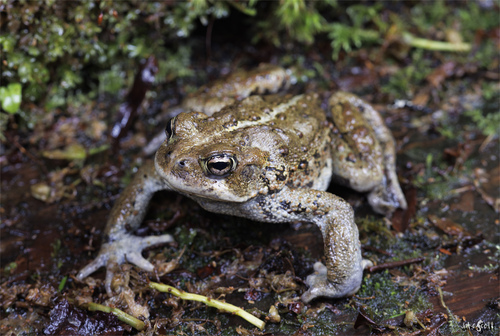
British Columbia, CA
You might spot Western Toad, Himalayan Balsam, and Western Sword Fern.
View guide →

British Columbia, CA
You might spot Vine Maple, Orange Honeysuckle, and Licorice Fern.
View guide →
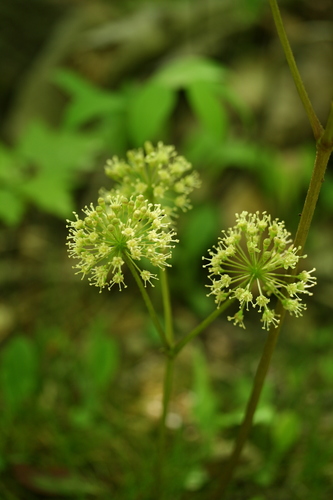
British Columbia, CA
You might spot Wild Sarsaparilla, Thimbleberry, and Oregon Boxwood.
View guide →
Take the discovery with you
Snap it with Snappit to identify it, learn what makes it special, and add the discovery to your collection.







.jpg&width=800)



_001.jpg&width=800)



