





common dog-violet
Viola riviniana
The common dog-violet is a pretty little flower that blooms in spring. It has lovely purple petals and can often be found in grassy areas and woodlands, bringing color to nature.
Habitat: Woodlands and grassy areas
The common dog-violet has small, scentless, deep purple flowers, sometimes whitish, with a distinct spurred lower petal. Its leaves are heart-shaped and dark green. It often grows in clumps, forming a low, spreading carpet.
Category
PlantsRarity
Common
Danger
1/5 · Very low
Snaps
Be the first to snap!
Its name 'dog' means common or wild, not related to actual dogs!
Its young leaves and flowers are edible and can be added to salads!
Some butterfly caterpillars *only* eat dog-violet leaves to grow big.
Unlike other violets, its beautiful purple flowers have no scent.
Common dog-violet can produce cleistogamous flowers that never open, ensuring seeds are made even without pollinators.
Common dog-violet has seeds with a fatty attachment called an elaiosome, which ants carry away to help spread them.
Common dog-violet forms a low rosette of leaves close to the ground, which helps it survive colder winter months.
Argynnis aglaja
Its caterpillars feed on violet leaves.
Apis mellifera
Visits its open flowers for nectar and pollen.
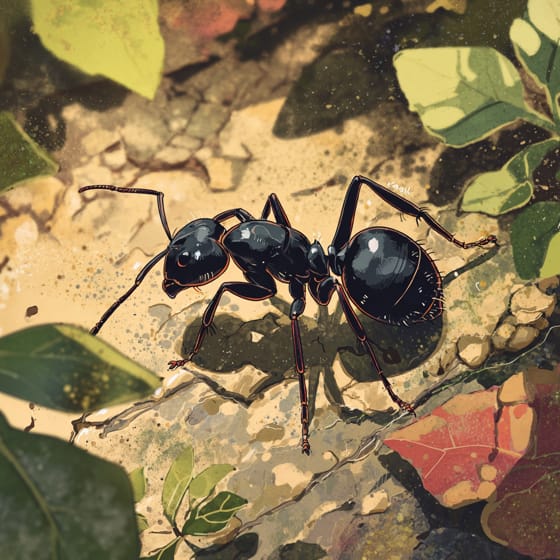
Lasius niger
Disperses its seeds, attracted by a fatty elaiosome.
Flowering plants are any plants that produce flowers as part of their reproductive cycle.
Spring blooming plants produce their flowers during the spring season, often signifying the end of winter and the start of new growth.
Fragrant flowers emit a pleasant aroma, often to attract pollinators or for defense.
Colorful describes organisms or objects displaying a wide range of bright and distinct colors.

Edible plants are those parts of a plant that are considered safe for human consumption.

Grassland habitats are terrestrial biomes dominated by grasses and herbaceous plants, supporting a variety of grazing animals.

Describes plants that are particularly attractive and beneficial to a wide range of pollinating organisms.

Forest habitats are terrestrial environments dominated by dense tree cover, supporting a high diversity of plant and animal life.
No aliases listed yet.
Danger
1/5 · Very low
Always look but don't pick flowers, so everyone can enjoy them!
The easiest way to identify common dog-violet is to use the Snappit nature identifier app.
5-20 cm
10-30 cm
1-2 cm
Spring
Yes
Mild
Perennial
Zoom in to split clusters and explore where this object has been snapped.
Recent snaps will appear here as new observations are added.
Take the discovery with you
Snap it with Snappit to identify it, learn what makes it special, and add the discovery to your collection.







.jpg&width=800)


_001.jpg&width=800)



