_-_Spiekeroog%2C_Nationalpark_Nieders%C3%A4chsisches_Wattenmeer.jpg&width=800)





Sandpipers And Allies
scolopacidae
Sandpipers are small, lively birds that love to run along the beach! They have long legs and beaks to help them find food in the sand and water.
Habitat: Sandpipers live in coastal areas, marshes, and wetlands.
The Sandpipers And Allies have slender bodies with long legs and a distinctive, often specialized bill for probing. Their plumage is typically muted in shades of brown, gray, and white, sometimes streaked, allowing them to blend seamlessly with sandy or muddy shorelines. Many species display subtle differences in bill length and curvature.
Category
BirdsRarity
Common
Danger
0/5 · No known danger
Snaps
Be the first to snap!
A tiny sandpiper can fly nonstop for days across vast open oceans!
Many species have special feet that help them run on soft mud without sinking!
Some sandpipers can 'tune' their bill's flexibility to grab different prey!
Their unique calls help them communicate over the loud sounds of crashing waves!
Sandpipers have highly sensitive bill tips that help them feel for hidden prey in mud and sand, even without seeing it.
Sandpipers can undertake incredible migrations, flying thousands of miles across continents and oceans to find food.
Sandpipers can run incredibly fast along the water's edge, expertly dodging incoming waves while foraging for food.
These shorebirds primarily feast on small invertebrates found buried in wet soil and shallow water.

Falco peregrinus
Hunts migrating and resident sandpipers.
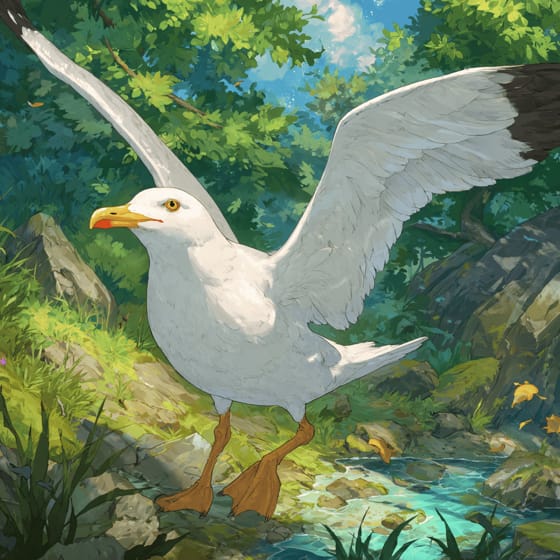
Larus argentatus
Preys on eggs and chicks in nesting areas.
Arenicola marina
Sandpipers probe sandy shores to find and consume.
Carcinus maenas
Smaller crabs are a common prey for larger sandpiper species.
Social animals live in organized groups, cooperating for survival benefits such as foraging, defense, and raising offspring.
Coastal habitats are dynamic environments located along the interface between land and sea, influenced by tides, waves, and saltwater.
This trait identifies organisms whose diet consists entirely or primarily of animal tissue.
Diurnal animals are primarily active during daylight hours, typically resting or sleeping at night.

Migratory animals undertake seasonal movements from one region to another, typically in response to changes in climate or food availability.
Danger
0/5 · No known danger
No special safety notes yet.
The easiest way to identify Sandpipers And Allies is to use the Snappit nature identifier app.
10-62 cm
20-100 cm
0.015-1.1 kg
3-15 years
70 km/h
These shorebirds primarily feast on small invertebrates found buried in wet soil and shallow water.
Sandpipers live in coastal areas, marshes, and wetlands.
Zoom in to split clusters and explore where this object has been snapped.
Recent snaps will appear here as new observations are added.
Take the discovery with you
Snap it with Snappit to identify it, learn what makes it special, and add the discovery to your collection.





.jpg&width=800)








