.jpg&width=800)





Sarus crane
Antigone antigone
The Sarus crane is a tall and graceful bird known for its long legs and beautiful red head. They are often seen in wetlands and are famous for their loud, trumpeting calls.
Habitat: Wetlands
The Sarus crane is the world's tallest flying bird, boasting a largely grey body. It has a striking, bare red head and upper neck, contrasted with a whitish crown. Its long dark legs and large size make it easily distinguishable.
Category
BirdsRarity
Common
Danger
1/5 · Very low
Snaps
Be the first to snap!
Sarus cranes mate for life, staying with one partner forever!
The Sarus crane is India's state bird, symbolizing marital fidelity!
Their powerful calls can be heard over two miles away!
They build enormous nests of reeds, sometimes 2 meters wide!
Sarus cranes can stand over 1.8 meters tall, making them the world's tallest flying bird, which helps them spot danger from afar.
Sarus cranes perform elaborate courtship dances, leaping and calling, helping them find and attract a mate.
Sarus cranes have a long trachea that coils inside their sternum, acting like an amplifier for their trumpet-like calls.
These omnivorous birds eat plants, seeds, insects, and small animals found in and around wetlands.
Age differences: Young cranes eat more insects for protein during their growth.
Homo sapiens
They often use human-managed wetlands like paddy fields.
Canis aureus
Jackals are known predators of Sarus crane eggs and chicks.

Oryza sativa
They forage for grains and insects in rice paddy fields.
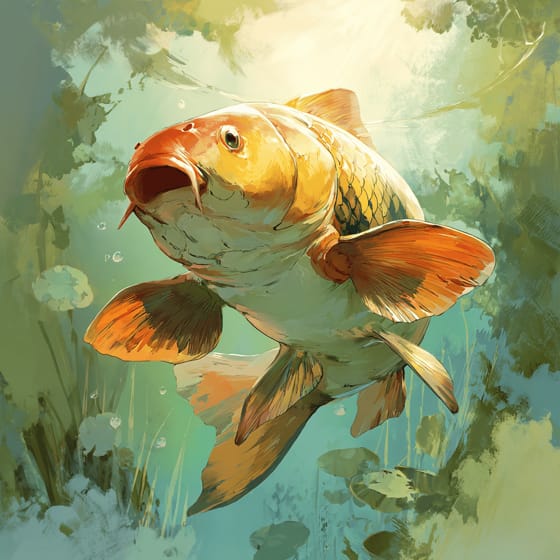
Cyprinus carpio
Sarus cranes prey on small fish in shallow waters.
Feathered describes animals, primarily birds, possessing a covering of feathers.
Social animals live in organized groups, cooperating for survival benefits such as foraging, defense, and raising offspring.
This trait characterizes organisms whose diet consists entirely or primarily of plant material.
This trait characterizes organisms with an exceptionally long lifespan compared to others of their kind.

This habitat trait identifies species found in wetlands, which are areas of land saturated with water, either permanently or seasonally, including marshes, swamps, and bogs.

Diurnal animals are primarily active during daylight hours, typically resting or sleeping at night.

Migratory animals undertake seasonal movements from one region to another, typically in response to changes in climate or food availability.

Endangered status indicates a species is at a very high risk of extinction in the wild in the near future.
Danger
1/5 · Very low
Always watch birds from a distance and do not try to touch them.
The easiest way to identify Sarus crane is to use the Snappit nature identifier app.
130-180 cm
220-280 cm
5-12 kg
15-20 years
70 km/h
These omnivorous birds eat plants, seeds, insects, and small animals found in and around wetlands.
Wetlands
Zoom in to split clusters and explore where this object has been snapped.
Recent snaps will appear here as new observations are added.

Florida, US
You might spot Baobab, African Elephant, and Giraffes.
View guide →

North Carolina, US
You might spot Tiger, African Lion, and Bears.
View guide →

Wisconsin, US
You might spot Whooping Crane, Sarus Crane, and Sandhill Crane.
View guide →

Washington, US
You might spot Tiger, Ring-Tailed Lemur, and Caribou.
View guide →
Take the discovery with you
Snap it with Snappit to identify it, learn what makes it special, and add the discovery to your collection.




.jpg&width=800)







