




Tiger

Triangle Metro Zoo was a cherished wildlife park that offered close encounters with exotic animals.
Triangle Metro Zoo was a cherished wildlife park that offered close encounters with exotic animals. Spanning 40 acres in Wake Forest, North Carolina, it was a privately owned and operated facility known for its diverse collection of approximately 500 animals representing 85 species. The zoo provided a unique opportunity for visitors to connect with wildlife in a heavily forested setting, complete with natural habitats and a small stream running through the grounds.
Among the many species housed, the zoo was particularly noted for its large cats, including lions and a rescued Bengal tiger named Raja, who later found a new home at the Carolina Tiger Rescue after the zoo's closure. Mammals like Himalayan moon bears, red kangaroos, lemurs, and zebras were popular attractions, alongside a wide array of birds such as colorful macaws and towering ostriches. Reptiles, including leopard geckos and various snakes, also comprised part of the collection.
The Triangle Metro Zoo offered an immersive experience designed to educate and entertain. Its naturalistic pathways and animal enclosures aimed to provide an engaging environment for both the animals and the visiting public. Though its operational period was relatively brief, from 1998 to 2006, it left a lasting impression as a local hub for wildlife appreciation and family outings in the North Carolina Triangle area. Wondering what that bird or insect is? Find out on your visit using the Snappit nature app.
The Triangle Metro Zoo, originally named Zoo Fauna, was founded by Larry Seibel and opened its doors in September 1998. Seibel's extensive experience in breeding exotic animals led to the establishment of the 40-acre zoo in Wake Forest, North Carolina. The name "Triangle Metro Zoo" reflected its location within the "Triangle" region, encompassing the cities of Raleigh, Durham, and Chapel Hill. Early in its operation, a significant setback occurred when a barn housing the gift shop and restrooms burned down, and it was never rebuilt. This lack of essential facilities contributed to financial difficulties, alongside increasing development in the area and personal challenges faced by the owner. Citing these reasons, Larry Seibel made the decision to close the zoo permanently in February 2006, after approximately eight years of operation. Following its closure, the animals were relocated to various private collections and other accredited zoos and wildlife facilities to ensure their continued care.
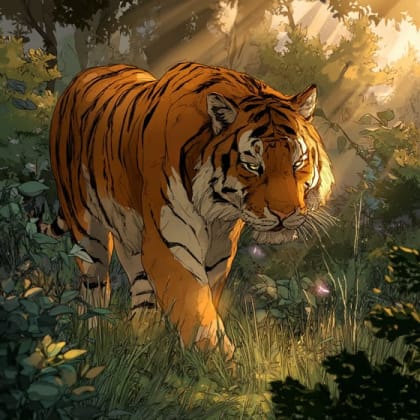
Home to lions and the renowned Bengal tiger, Raja, these exhibits were primary attractions.
The zoo housed several species of lemurs and monkeys, which were often active and engaging for visitors.
Other notable mammals included Himalayan moon bears, red kangaroos, camels, capybaras, and zebras, offering a wide range of observations.
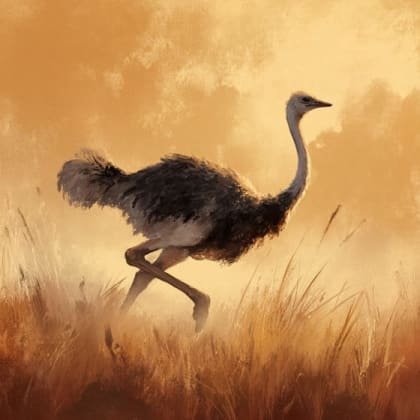
Colorful macaws (blue-and-gold, scarlet, military), sarus cranes, red-crowned cranes, and larger birds like emus and ostriches provided vibrant viewing.
Each card links to a full Explore page with photos, traits, and fun facts.
Start with the big picture, then zoom in to explore individual wildlife observations around this place.
Note
These tips are historical, as the zoo is closed.
Wear comfortable walking shoes to navigate the 40 acres of grounds and natural pathways.
Consider bringing water and snacks, as main facilities like the gift shop and restrooms were impacted by a fire early in the zoo's history.
Plan for a visit of at least half a day to fully explore the diverse animal collections.
Look for the larger, more charismatic species like the Bengal tiger and lions, which were among the zoo's main attractions.
Pay attention to the varied bird species, from colorful macaws to impressive cranes and ostriches.
Explore the heavily forested areas, as the natural setting was a key part of the zoo's atmosphere.
Jun 3, 2026
May 31, 2026
May 31, 2026
May 31, 2026
May 31, 2026

Michigan, US
You might spot African Lion, Komodo Dragon, and Brown Bear.
View guide →
.jpg)
Municipal District of Cobh, IE
You might spot Ring-Tailed Lemur, Giraffes, and Cheetahs.
View guide →

Nouvelle-Aquitaine, FR
You might spot Greater Flamingo, Giraffes, and Red Panda.
View guide →

Texas, US
You might spot Giraffes, African Lion, and Eastern Black Rhinoceros.
View guide →
Take the discovery with you
Identify the wildlife you spot, learn as you go, and keep a collection of the adventure.