





blue cohosh
Caulophyllum thalictroides
Blue cohosh is a special plant with beautiful blue-green leaves and tiny yellow flowers. It grows in shady forests and is known for its unique color and shape!
Habitat: Forests
The blue cohosh is a striking woodland plant with large, three-parted leaves that create a distinct, bushy appearance. Its small, greenish-yellow to brownish-purple flowers emerge in spring, followed by unique, bright blue, pea-sized berries that persist into fall.
Category
PlantsRarity
Common
Danger
3/5 · Moderate
Snaps
12
Despite its name, its small flowers are actually yellowish-green, not blue!
It’s one of the first plants to poke through the leaf litter on the forest floor each spring.
The 'blue' in its name comes from its stunning, deep blue seeds, not its blooms.
This plant’s gnarled rootstock was traditionally used in many herbal remedies.
Blue cohosh has a thick rhizome that helps it store energy and spread underground, allowing it to survive harsh winters.
Blue cohosh produces bright blue berries that attract birds, helping the plant disperse its seeds far and wide.
Blue cohosh produces compounds that make its roots and seeds moderately toxic, helping deter hungry animals.
Bombus impatiens
Visits the small flowers for nectar and pollen.
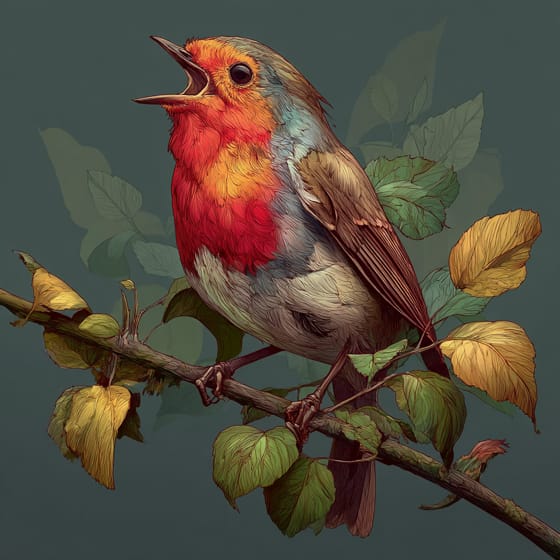
Turdus migratorius
Consumes blue berries, helping disperse the plant's seeds.
Halictus ligatus
Feeds on nectar and pollen from the tiny blooms.
Aromatic plants produce and emit fragrant volatile organic compounds, often for defense or to attract pollinators.
Deciduous plants periodically shed all their leaves, typically during autumn or dry seasons.
Flowering plants are any plants that produce flowers as part of their reproductive cycle.
Shade tolerant plants are adapted to grow and thrive in areas with low light levels, requiring less direct sunlight.

Spring blooming plants produce their flowers during the spring season, often signifying the end of winter and the start of new growth.

Fruit-bearing plants produce fruits, which are the mature ovaries of flowering plants containing seeds.

Medicinal plants possess chemical compounds that can be used for therapeutic purposes to treat illnesses or maintain health.

Colorful describes organisms or objects displaying a wide range of bright and distinct colors.

Forest habitats are terrestrial environments dominated by dense tree cover, supporting a high diversity of plant and animal life.

Endangered status indicates a species is at a very high risk of extinction in the wild in the near future.
No aliases listed yet.
Danger
3/5 · Moderate
Do not touch or eat any wild plants without asking an adult first.
The easiest way to identify blue cohosh is to use the Snappit nature identifier app.
30-90 cm
20-40 cm
0.5-1 cm
Spring
No
Moderate
Perennial
Zoom in to split clusters and explore where this object has been snapped.

Ohio, US
You might spot Large White Trillium, Fire Pink, and Christmas Fern.
View guide →

Wisconsin, US
You might spot Common Eastern Bumble Bee, Red-Belted Bumble Bee, and Duck.
View guide →

Connecticut, US
You might spot Spongy Moth, Eastern Tent Caterpillar Moth, and Monarch.
View guide →

West Virginia, US
You might spot Eastern Red-Backed Salamander and Wehrle's Salamander.
View guide →
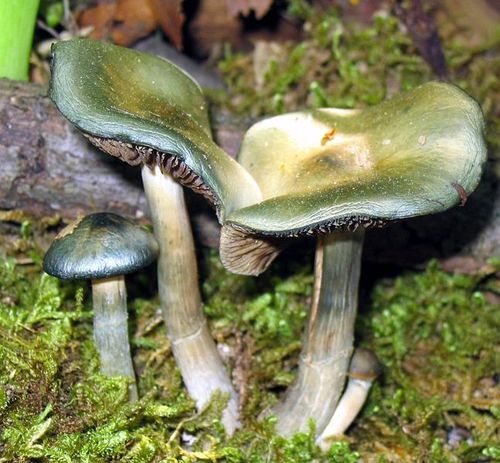
Ohio, US
You might spot Psychedelic Ovoid Mushroom and Powdered Dancer.
View guide →

Iowa, US
You might spot Guelder-Rose, Prickly Cucumber, and Bluegill.
View guide →
Take the discovery with you
Snap it with Snappit to identify it, learn what makes it special, and add the discovery to your collection.






.jpg&width=800)



_001.jpg&width=800)



