





Sculptured Resin Bee
megachile sculpturalis
The Sculptured Resin Bee is a small but fascinating insect that loves to collect resin from trees. These bees are great pollinators, helping flowers and plants grow all around us!
Habitat: Sculptured Resin Bees can be found in gardens, parks, and forests, where there are plenty of flowers.
The Sculptured Resin Bee is a robust, large bee with a mostly dark brownish-black body. It has sparse yellowish-brown hairs on its head and thorax, and a noticeably broad head and powerful mandibles, making it look quite distinct from smaller, fuzzier native bees.
Category
InsectsRarity
Common
Danger
1/5 · Very low
Snaps
9
Female bees build individual 'apartments' for each egg, complete with a food supply.
It's an immigrant! This bee traveled all the way from Asia to new continents, expanding its home.
They use the sticky sap from trees to build their nests, not mud or twigs like other bees!
Unlike honeybees, they don't live in big colonies or make honey for us to eat.
Sculptured Resin Bee can construct durable nest cells from sticky tree resin because it hardens quickly, providing strong protection for its developing young.
Has a large, sturdy body that allows it to carry substantial amounts of pollen, efficiently helping many flowers reproduce and spread seeds.
Can chew and mold tough resin using its strong mandibles because they are specialized tools, perfect for shaping its unique home.
Pollen and nectar fuel this bee, helping it grow and lay eggs.
Lagerstroemia indica
A favorite flower for nectar.

Hibiscus syriacus
Provides essential pollen and nectar.
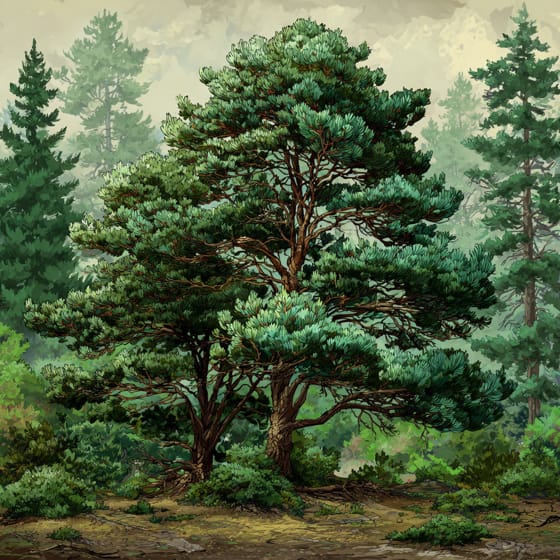
Pinus strobus
Sources resin for nest construction.
Solitary animals live alone for most of their lives, only interacting with others for mating or parental care.
Colorful describes organisms or objects displaying a wide range of bright and distinct colors.
This trait characterizes organisms whose diet consists entirely or primarily of plant material.
Diurnal animals are primarily active during daylight hours, typically resting or sleeping at night.

Describes organisms that transfer pollen, enabling the fertilization and reproduction of plants.
Danger
1/5 · Very low
No special safety notes yet.
The easiest way to identify Sculptured Resin Bee is to use the Snappit nature identifier app.
25-40 mm
15-25 mm
30-60 days
20 km/h
Pollen and nectar fuel this bee, helping it grow and lay eggs.
Sculptured Resin Bees can be found in gardens, parks, and forests, where there are plenty of flowers.
Foraging
Zoom in to split clusters and explore where this object has been snapped.
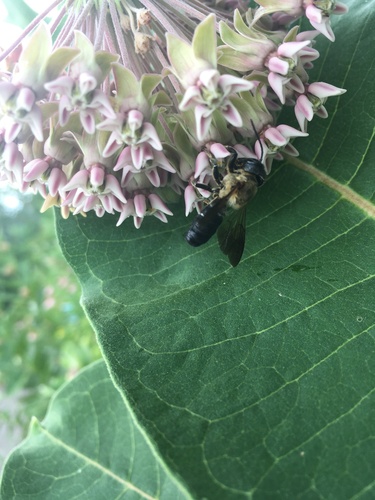
Jul 17, 2022
Cutler Botanic GardenPhoto attribution
(c) Christina S. Baer, some rights reserved (CC BY)
License: CC BY 4.0 ↗
Image may be shown cropped inside the card frame.

Virginia, US
You might spot Asian Lady Beetle, Spotted Lanternfly, and Christmas Fern.
View guide →

Tennessee, US
You might spot American Robin and Eastern Gray Squirrel.
View guide →

Georgia, US
You might spot Anhinga, Anole, and American Alligator.
View guide →

District of Columbia, US
You might spot Eastern Carpenter Bee and Common Eastern Bumble Bee.
View guide →

New York, US
You might spot Eastern Carpenter Bee and Milkweed Tussock Moth.
View guide →

South Carolina, US
You might spot Anhinga, Anole, and American Alligator.
View guide →
Take the discovery with you
Snap it with Snappit to identify it, learn what makes it special, and add the discovery to your collection.







.jpg&width=800)



