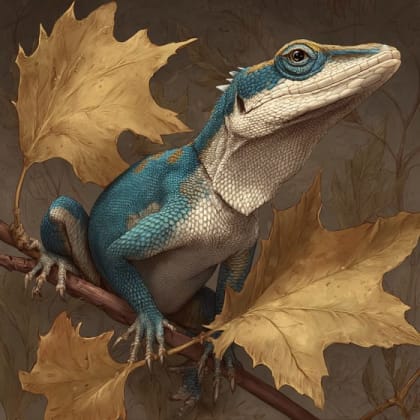





Anole

Discover Augusta Canal, a historic waterway offering recreation, nature, and industrial heritage in Georgia.
Discover Augusta Canal, a historic waterway offering recreation, nature, and industrial heritage in Georgia. As Georgia's first National Heritage Area and the only fully intact American industrial canal in continuous operation, the Augusta Canal is a living testament to the South's industrial past, seamlessly blending historical significance with vibrant outdoor recreation. It originally powered cotton mills and factories and provided a crucial water supply and transportation route, fundamentally shaping the city of Augusta.
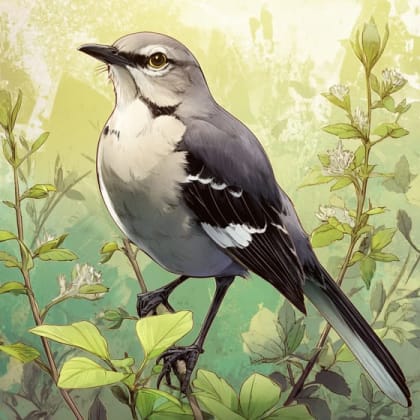
Visitors can immerse themselves in the canal's story at the Augusta Canal Discovery Center, housed in the historic Enterprise Mill, before embarking on a guided boat tour aboard replica canal cargo boats. The canal's scenic towpath invites hikers, bikers, and runners to explore its 10.8-mile length, passing significant landmarks like the Confederate Powder Works Chimney and the Savannah Rapids Headgates. The undeveloped land between the canal and the Savannah River creates a wetland urban wildlife refuge, offering opportunities to spot diverse wildlife such as herons, egrets, wood ducks, otters, beavers, and various fish species, making it a haven for nature photography and birdwatching.
The Augusta Canal offers a unique blend of historical discovery and natural beauty, making it a memorable destination for all ages. Whether you're gliding along the tranquil waters on a Petersburg boat tour, paddling a kayak, exploring the trails, or simply soaking in the serene environment, the canal provides a captivating experience that connects visitors to Augusta's rich heritage and vibrant ecosystem. It’s a place where history comes alive amidst the rustling leaves and flowing water, providing both education and relaxation. Planning to visit? Download the Snappit app to identify the wildlife you spot in real-time.
The Augusta Canal was initially completed in 1845, conceived as a vital source of power, municipal water, and transportation for the growing city of Augusta. Spearheaded by Henry H. Cumming, the canal quickly enabled the construction of the first factories, including a saw and gristmill and the Augusta Factory, by 1847. During the Civil War, the canal's strategic importance escalated, leading to the establishment of the Confederate Powder Works gunpowder manufacturing complex along its banks. Deepened and widened in the 1870s, the canal fueled an industrial boom in the late 19th century, particularly in textile manufacturing with mills like Enterprise Mill, King Mill, and Sibley Mill. However, by the mid-20th century, the canal experienced a period of neglect as industries declined. A groundswell of popular support in the 1990s led to its revitalization, culminating in its designation as Georgia's first National Heritage Area by the U.S. Congress in 1996. Today, it remains the only continuously operating industrial canal in the American South, still generating hydroelectricity and supplying municipal water.
Take a Nature & History Boat Tour, Sunset Cruise, or Moonlight Music Cruise.
* Hike or bike the scenic Augusta Canal Trail.
* Rent a kayak or canoe and paddle the canal's first level.
* Go fishing for bass, catfish, and other species (valid Georgia fishing license required).
* Spot diverse wildlife, including various bird species, turtles, and mammals, along the banks.
* Explore the exhibits at the Augusta Canal Discovery Center.
* Visit the Savannah Rapids Park for trail access and rentals.
Kayak and bike rentals are popular in spring, summer, and fall. Music cruises are often offered on weekends during warmer seasons. The towpath can become muddy after heavy rain, especially unpaved sections.
The towpath trail is wide and generally flat, making it suitable for wheelchairs and road bikes, though some sections are unpaved sand/clay. ADA access is available at the Mill Village Trailhead. Some boat tours may require descending narrow steps to board. Restrooms and free parking are available at key locations like Savannah Rapids Park and the Discovery Center.
Learn about the canal's history through interactive exhibits and films, located in the historic Enterprise Mill.
Guided tours on replica cargo boats offer historical narration and wildlife spotting.
A wide, level trail perfect for hiking, biking, and running, extending from the Headgates to downtown Augusta.
The northernmost point of the canal, offering access to trails, kayak/bike rentals, and historic structures.
Each card links to a full Explore page with photos, traits, and fun facts.
Start with the big picture, then zoom in to explore individual wildlife observations around this place.
Check Boat Tour Schedules
** Tour times can vary seasonally, and advance reservations are highly recommended, especially for specialty cruises. Call ahead to confirm availability.
Dress for the Weather
Boat tours are on uncovered boats, so bring sun protection (hat, sunscreen, sunglasses) or rain gear as needed. Comfortable, flat-soled shoes are advisable for boarding.
Stay Hydrated
Bring water, especially when hiking or biking the trails, as sections can be long.
Rentals Available
Kayak and bike rentals are available at Savannah Rapids Park, making it easy to explore the canal on water or land without bringing your own equipment.
Visit the Discovery Center
Complement your boat tour or trail experience by visiting the Augusta Canal Discovery Center at Enterprise Mill for a deeper understanding of the canal's history. Boat tour tickets often include free admission.
Respect Wildlife
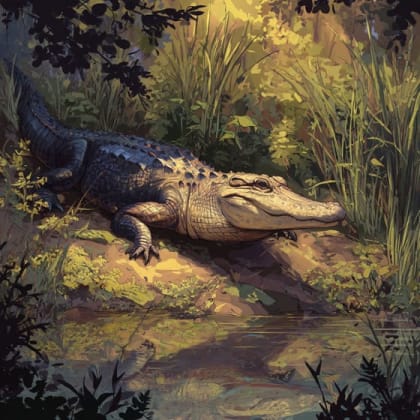
Do not feed or disturb any animals you encounter. Alligators and venomous snakes like cottonmouths are present, so observe from a safe distance.
Jun 5, 2026
Jun 5, 2026
Jun 4, 2026
Jun 4, 2026
Jun 3, 2026

Maryland, US
You might spot White-Tailed Deer and Eastern Gray Squirrel.
View guide →
.jpg)
District of Columbia, US
You might spot Eastern Gray Squirrel, Duck, and House Sparrow.
View guide →

Illinois, US
You might spot American Robin, Canada Goose, and House Sparrow.
View guide →

Virginia, US
You might spot Spotted Lanternfly and Northern Cardinal.
View guide →
Take the discovery with you
Identify the wildlife you spot, learn as you go, and keep a collection of the adventure.




















.jpg&width=800)



.jpg&width=800)



