



Nasturtium
Tropaeolum majus
Nasturtiums are colorful flowers that come in shades of red, orange, and yellow. They have round leaves and grow low to the ground, making them perfect for gardens and pots.
Habitat: Gardens
The Nasturtium has vibrant, trumpet-shaped flowers in shades of orange, yellow, and red. Its unique, round, shield-like leaves, often bluish-green, stand out, resembling miniature lily pads. Trailing or mounding growth habit completes its distinctive look.
Category
PlantsRarity
Common
Danger
1/5 · Very low
Snaps
10
"Nasturtium" means "nose twist" in Latin, referring to its spicy, peppery taste!
Ancient Incas used nasturtiums for both food and medicine, valuing their healing power.
Its round leaves are so good at shedding water that droplets roll around like mercury!
Some varieties are incredible climbers, reaching up to 10 feet tall like a green ladder!
Nasturtium has waxy, water-repellent leaves that make raindrops bead up and roll off, keeping them clean and dry.
Nasturtium can release compounds that deter common garden pests, protecting itself and nearby plants from munching insects.
Nasturtium can create a peppery, spicy flavor in its leaves and flowers, which deters herbivores from eating it.
Apis mellifera
collects nectar and pollen
Pieris rapae
larvae munch on its leaves
Myzus persicae
sucks nutrient-rich sap
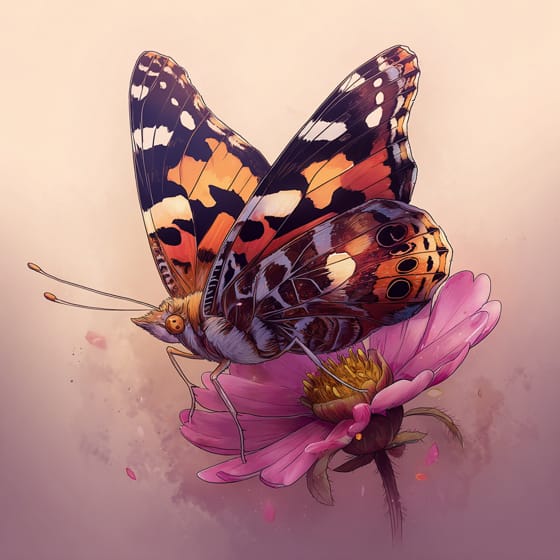
Vanessa cardui
sips nectar from flowers
Annual plants complete their entire life cycle, from germination to seed production, within a single growing season.
Aromatic plants produce and emit fragrant volatile organic compounds, often for defense or to attract pollinators.
Describing a plant or anatomical structure that droops or hangs downwards.
Cluster flowers are inflorescences where individual flowers are arranged closely together on a common stem.

Shade tolerant plants are adapted to grow and thrive in areas with low light levels, requiring less direct sunlight.

Summer blooming plants produce their flowers during the summer season, often providing vibrant color when many other plants have finished.

Edible plants are those parts of a plant that are considered safe for human consumption.
Danger
1/5 · Very low
Enjoy looking at nasturtiums, but do not eat any flowers or plants unless an adult says it's safe.
The easiest way to identify Nasturtium is to use the Snappit nature identifier app.
30-300 cm
30-150 cm
2.5-6 cm
Late spring to fall
Yes
None
Annual
Zoom in to split clusters and explore where this object has been snapped.

California, US
You might spot Western Fence Lizard, Eastern Fox Squirrel, and Duck.
View guide →

California, US
You might spot Snowy Egret, Great Blue Heron, and Western Gull.
View guide →

California, US
You might spot Slender Banana Slug, Western Gull, and Red-Tailed Hawk.
View guide →

California, US
You might spot Great Blue Heron, Anna's Hummingbird, and Red-Tailed Hawk.
View guide →

California, US
You might spot Pacific Hairy Hermit Crab, Sea Urchin, and Sea Cucumber.
View guide →

US
You might spot Tricolored Bumble Bee and Half-Black Bumble Bee.
View guide →
Take the discovery with you
Snap it with Snappit to identify it, learn what makes it special, and add the discovery to your collection.








.jpg&width=800)



_001.jpg&width=800)


