





Sedgesitters
Platycheirus
Sedgesitters are small, friendly insects that love to sit on plants and flowers. They are often found near water and help flowers grow by spreading pollen.
Habitat: Wetlands
The Sedgesitters is a type of hoverfly with a sleek, somewhat flattened body, often metallic black or dark blue. It has distinctive yellow or orange markings on its abdomen, which can look like stripes or spots, helping it mimic wasps. Its large, dark eyes and clear wings complete its agile appearance.
Category
InsectsRarity
Common
Danger
1/5 · Very low
Snaps
Be the first to snap!
Even though they look like bees, Sedgesitters can't sting you at all!
Some Sedgesitters can even fly backward or sideways with amazing skill!
Their larvae are secret garden heroes, eating tiny plant-munching pests!
They use their incredible eyesight to spot flowers and mates while flying.
Sedgesitters can look like a wasp or bee because of their bold yellow and black markings, which helps them avoid predators.
Sedgesitters can hover perfectly still in mid-air because of their powerful, rapidly beating wings, allowing them to precisely navigate flowers.
Sedgesitters larvae can consume many garden pests because of their predatory mouthparts, helping keep plants healthy.
Adult Sedgesitters drink nectar and pollen for energy, while their larvae are mighty pest hunters!
Age differences: Adults feed on nectar and pollen, but their larvae are voracious predators of small plant pests like aphids.
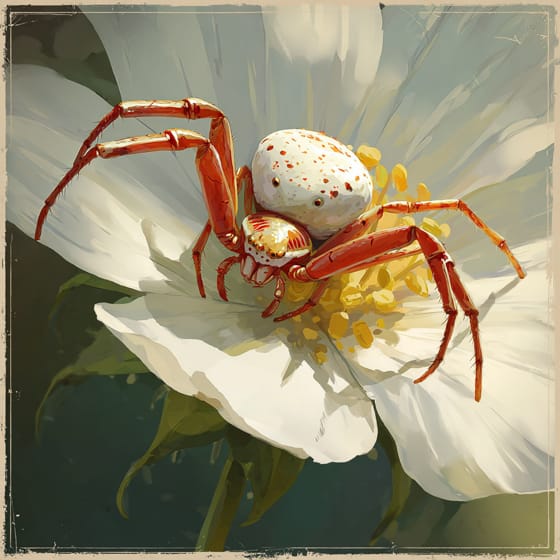
Misumena vatia
Ambush predators on flowers.
_Clock_-_Tennessee%2C_USA_-_May_31%2C_2014.jpg&width=800)
Taraxacum officinale
Helps pollinate common wildflowers.
Aphis fabae
Larvae are key predators of this pest.
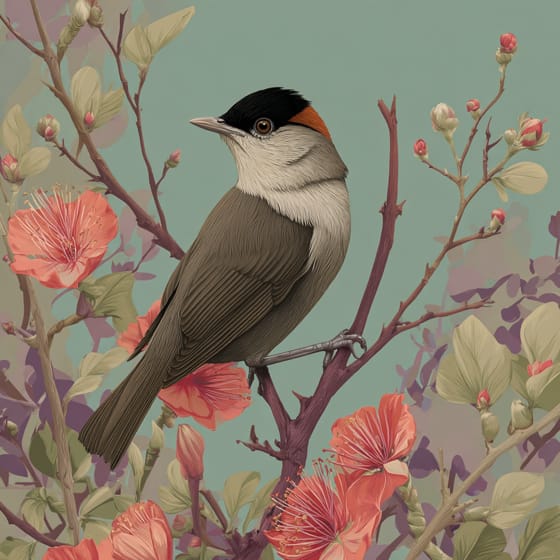
Sylvia atricapilla
Common insectivorous garden bird.
Social animals live in organized groups, cooperating for survival benefits such as foraging, defense, and raising offspring.
Colorful describes organisms or objects displaying a wide range of bright and distinct colors.
This trait characterizes organisms whose diet consists entirely or primarily of plant material.
Describes plants that are particularly attractive and beneficial to a wide range of pollinating organisms.

This habitat trait identifies species found in wetlands, which are areas of land saturated with water, either permanently or seasonally, including marshes, swamps, and bogs.

Diurnal animals are primarily active during daylight hours, typically resting or sleeping at night.

Describes organisms that transfer pollen, enabling the fertilization and reproduction of plants.
No aliases listed yet.
Danger
1/5 · Very low
Sedgesitters are harmless, but it's always good to watch insects from a distance.
The easiest way to identify Sedgesitters is to use the Snappit nature identifier app.
10-25 mm
5-12 mm
15-60 days
12 km/h
Adult Sedgesitters drink nectar and pollen for energy, while their larvae are mighty pest hunters!
Wetlands
Foraging
Zoom in to split clusters and explore where this object has been snapped.
Recent snaps will appear here as new observations are added.
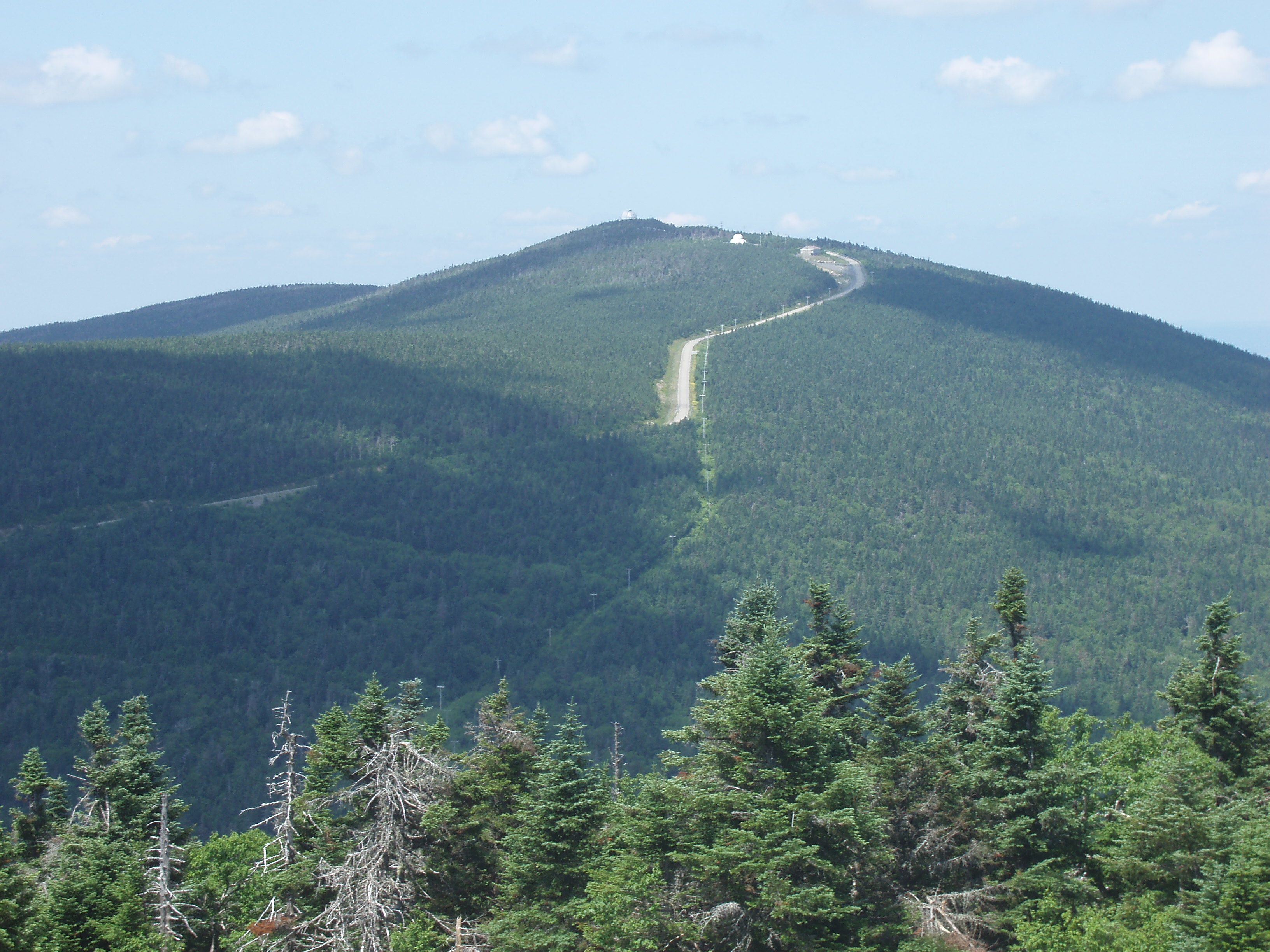
Québec, CA
You might spot Canada Jay, Bluebead Lily, and Hobblebush.
View guide →
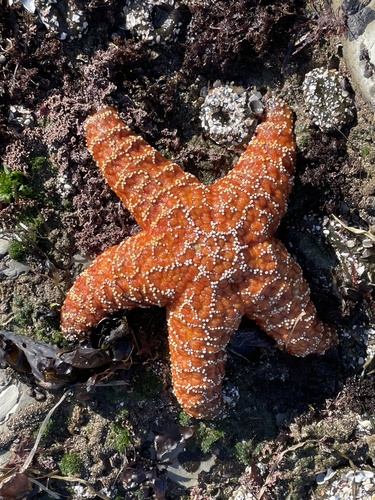
Washington, US
You might spot Ochre Sea Star, Purple Shore Crab, and Strawberry Tree.
View guide →

Pennsylvania, US
You might spot New York Fern, Common Milkweed, and True Sedges.
View guide →
Take the discovery with you
Snap it with Snappit to identify it, learn what makes it special, and add the discovery to your collection.







.jpg&width=800)



