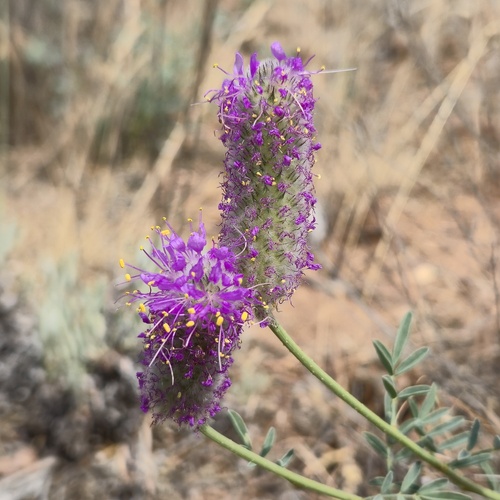





Juniper

Painted Hills offers a breathtaking glimpse into millions of years of Earth's vibrant history.
Painted Hills offers a breathtaking glimpse into millions of years of Earth's vibrant history. This geological marvel, one of the three units of the John Day Fossil Beds National Monument, is rightly celebrated as one of the Seven Wonders of Oregon, captivating visitors with its uniquely colored, stratified hills.
The hills are a stunning palette of red, yellow, gold, and black, formed by ancient volcanic ash and clay-rich soils deposited between 39-33 million years ago. Key features include the iconic Painted Cove Trail, where a boardwalk winds through vibrant crimson mounds, and the panoramic views from the Painted Hills Overlook. The vivid hues, resulting from varying mineral compositions like iron oxides and manganese oxides, tell a story of ancient climates transitioning from subtropical forests to open savannas. Visitors can also find ancient leaf fossils of redwood, cinnamon, and fig, and evidence of early animals like horses and rhinoceroses, particularly along the Leaf Hill Trail. In spring, the landscape is further adorned with splashes of yellow wildflowers like Chaenactis and bee plants, along with the rare pink blooms of hedgehog cacti.
A visit to Painted Hills is an unforgettable journey through time, offering dramatic geological formations that change with the light and moisture, making every photographic opportunity unique. The accessible trails and stunning vistas invite contemplation and awe, promising a memorable experience for anyone seeking to witness the natural artistry of our planet. The contrast of the vibrant hills against the backdrop of Oregon's high desert creates an otherworldly landscape that truly feels like stepping onto another planet. Be ready to snap and learn! Get the Snappit app to identify any nature species you find here.
The geological story of the Painted Hills began approximately 35-40 million years ago, during the late Eocene to early Oligocene epochs. Volcanic eruptions from the ancestral Cascade Range, located about 100 miles to the west, blanketed the region with layers of ash and pumice. Over millennia, these ash deposits mixed with other sediments and were subjected to natural processes including water flow, plant growth, and animal movement. The distinctive colored layers are a direct result of varying climatic conditions and mineral content. Red layers, rich in iron oxides (hematite), indicate warmer, humid, and oxidized conditions when the region was a subtropical forest. Yellow and gold layers, containing iron-rich minerals like goethite and magnesium oxides, suggest drier and cooler periods. Darker, black layers are formed from lignite, which is fossilized vegetative matter from ancient swampy environments, while manganese oxides create black streaks. These stratified layers, now predominantly composed of claystone, siltstone, and shale, reveal a comprehensive record of prehistoric Oregon's environmental shifts.
Hiking the various short trails, photography, picnicking at designated areas, and appreciating the diverse geological colors and formations. You can also look for wildflowers in spring.
Spring (April-June): Wildflowers, especially yellow Chaenactis and bee plants, are in bloom. Rain can make the hills' colors more vibrant.
Summer (June-August): Can be very hot and dry; generally advisable to avoid peak summer for comfort.
Fall (September-October): Cooler temperatures and potentially rainier, which intensifies the colors of the hills.
Winter (November-March): Frigid temperatures and snow are possible, which can cover the vibrant colors.
The Painted Cove Trail features a wheelchair-friendly boardwalk, allowing close access to the colorful formations. The Painted Hills Overlook offers a wide, packed-gravel path. ADA-accessible restrooms and picnic tables are available near the entrance.
A short, accessible boardwalk loop offering the most up-close views of the vibrant red, orange, and pink clay formations.
Provides sweeping panoramic vistas of the most picturesque hills.
The longest and most scenic trail, offering unparalleled views of the Painted Cove and surrounding landscape.
Features interpretive displays about local fossils, offering insights into the area's paleontological significance.
Each card links to a full Explore page with photos, traits, and fun facts.
Start with the big picture, then zoom in to explore individual wildlife observations around this place.
Stay on trails
** The terrain is fragile. Always remain on designated paths and boardwalks to protect the delicate environment and prevent lasting footprints.
Hydrate and protect
Bring plenty of water, sunscreen, and a hat, as shade is minimal and the high desert sun can be intense.
Download maps
Cell service is often limited or non-existent within the monument, so download offline maps before your visit.
Pack it in, pack it out
There are limited garbage services, so please take all your trash with you.
Visit at golden hour
For the most dramatic and photogenic views, plan your visit for early morning or late afternoon, when the light accentuates the colors.
Watch for wildlife
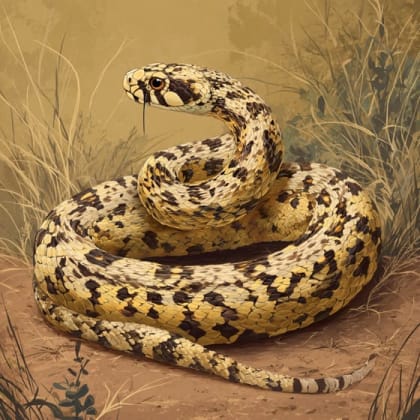
While snakes are shy, be aware of your surroundings, especially on trails.
Jun 7, 2026
Photo attribution
(c) John Clonce, some rights reserved (CC BY)
License: CC BY 4.0 ↗
Image may be shown cropped inside the card frame.
Jun 7, 2026
Photo attribution
(c) John Clonce, some rights reserved (CC BY)
License: CC BY 4.0 ↗
Image may be shown cropped inside the card frame.
Jun 7, 2026
Photo attribution
(c) John Clonce, some rights reserved (CC BY)
License: CC BY 4.0 ↗
Image may be shown cropped inside the card frame.
Jun 7, 2026
Photo attribution
(c) John Clonce, some rights reserved (CC BY)
License: CC BY 4.0 ↗
Image may be shown cropped inside the card frame.
Jun 7, 2026
Photo attribution
(c) John Clonce, some rights reserved (CC BY)
License: CC BY 4.0 ↗
Image may be shown cropped inside the card frame.

Maryland, US
You might spot White-Tailed Deer and Eastern Gray Squirrel.
View guide →
.jpg)
District of Columbia, US
You might spot Eastern Gray Squirrel, Duck, and House Sparrow.
View guide →

Illinois, US
You might spot American Robin, Canada Goose, and House Sparrow.
View guide →

Virginia, US
You might spot Spotted Lanternfly and Northern Cardinal.
View guide →
Take the discovery with you
Identify the wildlife you spot, learn as you go, and keep a collection of the adventure.