





Shetland Sheep
shetland sheep
Shetland sheep are small, fluffy animals with adorable faces! They love to graze on grass and are known for their soft wool that can be used to make warm clothes.
Habitat: Shetland Islands, Scotland
The Shetland Sheep is a small, hardy sheep with a compact body and fine, soft wool. Its fleece comes in an astonishing 11 main colours and 30 markings, making each sheep uniquely patterned. They often have small, erect ears and can be horned or hornless.
Category
MammalsRarity
Common
Danger
0/5 · No known danger
Snaps
Be the first to snap!
Shetland sheep can have horns, but many are naturally born without them, called 'polled'!
Some Shetland sheep love to snack on nutrient-rich seaweed found along ocean shores!
Their wool is so incredibly soft, it's often called 'the cashmere of the sheep world'!
They are one of the smallest sheep breeds on Earth, perfect for their rugged island homes!
Shetland Sheep have a unique 'rooing' ability, naturally shedding their fleece each spring, which helps them stay cool without needing to be shorn.
Shetland Sheep can survive harsh, cold environments thanks to their thick, multi-layered fleece and efficient foraging, allowing them to thrive.
Shetland Sheep can efficiently browse on sparse vegetation, including tough grasses, heather, and even seaweed, which helps them find food in barren lands.
These sheep are grazers, mostly munching on grasses, herbs, and other plants they find.
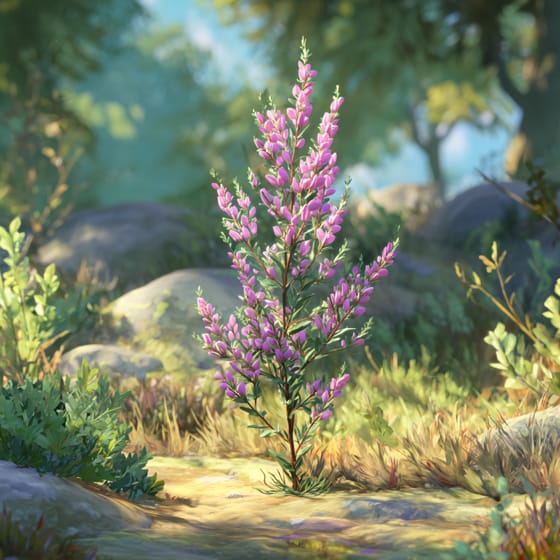
Calluna vulgaris
They graze on heather, an important food source in moorland habitats.
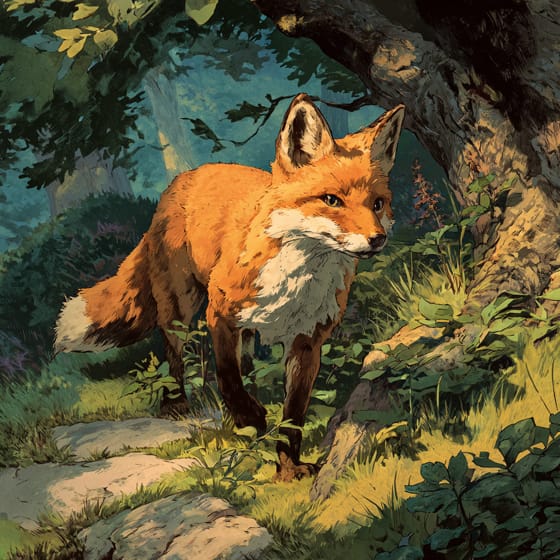
Vulpes vulpes
Foxes can occasionally prey on young or weak Shetland lambs.
Fasciola hepatica
This common parasite can affect the liver health of sheep.

Homo sapiens
Humans provide care, shelter, and protection for these domesticated sheep.
Furry describes animals possessing a dense covering of soft hair or fur.
Social animals live in organized groups, cooperating for survival benefits such as foraging, defense, and raising offspring.
Grassland habitats are terrestrial biomes dominated by grasses and herbaceous plants, supporting a variety of grazing animals.
This trait characterizes organisms whose diet consists entirely or primarily of plant material.

Diurnal animals are primarily active during daylight hours, typically resting or sleeping at night.
Danger
0/5 · No known danger
No special safety notes yet.
The easiest way to identify Shetland Sheep is to use the Snappit nature identifier app.
50-70 cm
35-55 kg
10-14 years
25 km/h
These sheep are grazers, mostly munching on grasses, herbs, and other plants they find.
Shetland Islands, Scotland
Grazing
Zoom in to split clusters and explore where this object has been snapped.
Recent snaps will appear here as new observations are added.
Take the discovery with you
Snap it with Snappit to identify it, learn what makes it special, and add the discovery to your collection.




.jpg&width=800)


.JPG&width=800)

.jpg&width=800)
