





Shrimp plant
Justicia brandegeeana
The shrimp plant is a colorful plant with bright, shrimp-like flowers! It loves warm weather and can be found in gardens and parks, adding beauty wherever it grows.
Habitat: Urban areas
The Shrimp plant has arching stems with oval green leaves. Its most distinctive feature is the cascading, shrimp-like bracts, typically reddish-orange or salmon-pink, that appear in overlapping rows, encasing tiny white flowers.
Category
PlantsRarity
Common
Danger
1/5 · Very low
Snaps
Be the first to snap!
Despite its exotic, tropical looks, it's surprisingly easy to grow indoors as a houseplant.
Hummingbirds eagerly sip its nectar, often visiting this plant throughout the day.
It's named 'shrimp plant' because its colorful bracts look just like cooked shrimp!
The tiny white flowers poke out from the 'shrimp' bracts, like a hidden surprise!
Shrimp plant has colorful bracts that protect its small, delicate true flowers from external elements.
Shrimp plant has tubular flowers, perfectly shaped to attract hummingbirds, its primary pollinators.
Shrimp plant can bloom almost continuously in warm climates, providing a consistent food source.

Archilochus colubris
Sips nectar, transfers pollen between blooms.
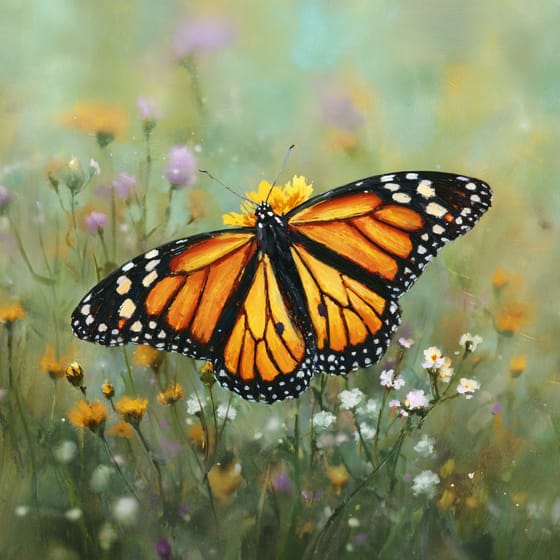
Danaus plexippus
Visits flowers for nectar, aiding reproduction.
Apis mellifera
Collects nectar and pollen from tiny flowers.
Flowering plants are any plants that produce flowers as part of their reproductive cycle.
A shrub is a woody plant smaller than a tree, typically with multiple stems branching from or near the ground.
Summer blooming plants produce their flowers during the summer season, often providing vibrant color when many other plants have finished.
Everblooming plants produce flowers continuously or in repeated flushes over a long period.

Evergreen plants retain their foliage throughout the year, never shedding all their leaves at once.

Colorful describes organisms or objects displaying a wide range of bright and distinct colors.

Describes plants that are particularly attractive and beneficial to a wide range of pollinating organisms.

This habitat trait indicates species that can coexist with humans in urban and suburban environments, utilizing man-made structures and green spaces.
No aliases listed yet.
Danger
1/5 · Very low
Always look but don't touch plants without asking an adult first.
The easiest way to identify Shrimp plant is to use the Snappit nature identifier app.
90-180 cm
60-90 cm
1-2 cm
Year-round in warm climates
No
None
Perennial
Zoom in to split clusters and explore where this object has been snapped.
Recent snaps will appear here as new observations are added.
Take the discovery with you
Snap it with Snappit to identify it, learn what makes it special, and add the discovery to your collection.








.jpg&width=800)



_001.jpg&width=800)



