





Siberian Chipmunk
Eutamias sibiricus
The Siberian Chipmunk is a small, striped animal that loves to collect food. They are very cute and can be found in forests and parks, where they scurry around looking for seeds and nuts.
Habitat: Forests
The Siberian Chipmunk is a small rodent, typically reddish-brown to grayish-brown with five distinct dark stripes running down its back. These dark stripes are separated by lighter cream or white stripes, and it has a pale belly and a moderately bushy tail.
Category
MammalsRarity
Common
Danger
1/5 · Very low
Snaps
Be the first to snap!
During winter, they take naps but wake up to snack on hidden treats.
Each chipmunk has its own special chirping sound, like a secret language.
Their tails are not just for balance, but also a fluffy signal flag!
They dig cozy underground tunnels that can stretch over 30 feet long!
Siberian Chipmunk can dart away at high speeds because of its quick reflexes that help them escape predators quickly.
Siberian Chipmunk can hibernate through winter, waking to eat stored food that helps them survive until spring.
Siberian Chipmunk can climb trees with amazing agility because of sharp claws that help them find food and escape.
Omnivore munching on seeds, nuts, berries, insects, and even tiny mushrooms!
Martes zibellina
Sables hunt chipmunks in their forest habitat.
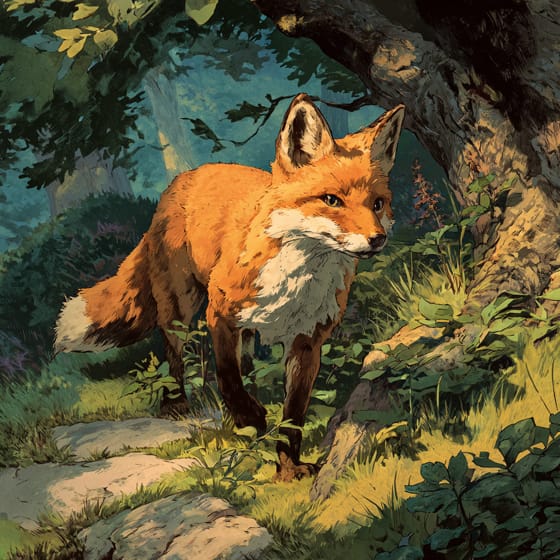
Vulpes vulpes
Red Foxes frequently hunt chipmunks across their wide range.
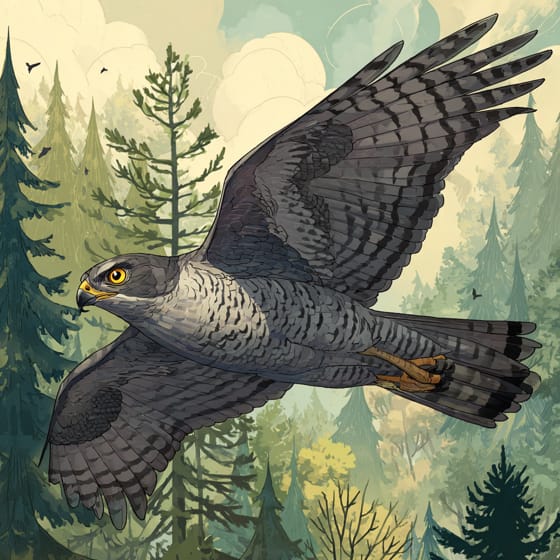
Accipiter gentilis
Northern Goshawks are swift bird predators that snatch chipmunks from above.
Pinus sibirica
Chipmunks eat the nutrient-rich seeds from Siberian pine cones.
Furry describes animals possessing a dense covering of soft hair or fur.
Marked with parallel bands or lines of color.
Social animals live in organized groups, cooperating for survival benefits such as foraging, defense, and raising offspring.
This trait characterizes organisms whose diet consists entirely or primarily of plant material.

Forest habitats are terrestrial environments dominated by dense tree cover, supporting a high diversity of plant and animal life.

Diurnal animals are primarily active during daylight hours, typically resting or sleeping at night.

This trait identifies organisms that exhibit exceptional swiftness in movement for hunting, escape, or travel.
No aliases listed yet.
Danger
1/5 · Very low
Watch from a distance and don't try to catch them; they are wild animals.
The easiest way to identify Siberian Chipmunk is to use the Snappit nature identifier app.
18-25 cm
0.05-0.15 kg
2-5 years
15 km/h
Omnivore munching on seeds, nuts, berries, insects, and even tiny mushrooms!
Forests
Foraging
Zoom in to split clusters and explore where this object has been snapped.
Recent snaps will appear here as new observations are added.
Take the discovery with you
Snap it with Snappit to identify it, learn what makes it special, and add the discovery to your collection.




.jpg&width=800)

.JPG&width=800)


.jpg&width=800)
