





Siberian Crane
Leucogeranus leucogeranus
The Siberian Crane is a beautiful bird with long legs and a striking white body. They are known for their graceful dance and can be found in wetlands during migration.
Habitat: Wetlands
The Siberian Crane is easily recognized by its pure white plumage, except for distinctive black primary feathers visible in flight. It has a striking featherless red patch on its face extending from its bill to behind its eyes. Its long legs and neck are also white.
Category
BirdsRarity
Rare
Danger
1/5 · Very low
Snaps
Be the first to snap!
Baby cranes learn to fly in just 70-75 days after hatching.
Chicks have fuzzy reddish-brown down, not white like their parents.
Only about 4,000 Siberian Cranes are left in the wild today.
They're sometimes called "Snow Cranes" because of their pure white feathers!
Siberian Cranes can fly thousands of kilometers each year because they must travel between their frozen breeding grounds and warmer winter wetlands.
Siberian Cranes have a strong, serrated bill that helps them probe deep into mud and water to find buried plant tubers and creatures.
Siberian Cranes can produce a loud, far-reaching call because their unique windpipe coils within their breastbone, amplifying their voice.
They eat aquatic plants, tubers, insects, and small animals found in wetlands.
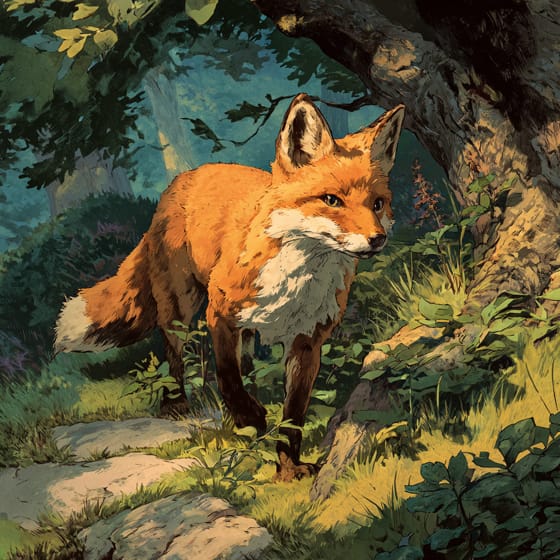
Vulpes vulpes
Preys on crane eggs and chicks.
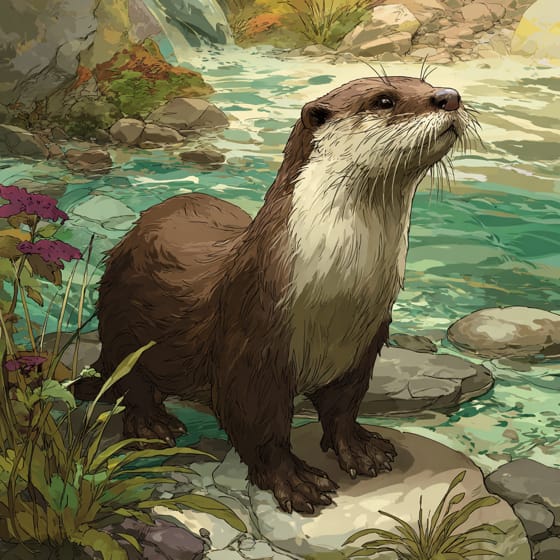
Lutra lutra
Can consume crane eggs or young chicks.
Potamogeton pectinatus
Cranes dig up and consume its tubers.

Cyprinus carpio
Young carp are sometimes caught.
Typha latifolia
Provides nesting cover and food (rhizomes).
Feathered describes animals, primarily birds, possessing a covering of feathers.
Social animals live in organized groups, cooperating for survival benefits such as foraging, defense, and raising offspring.
Aerial creatures spend a significant portion of their lives airborne, utilizing flight for various activities such as hunting, migration, or nesting.
Colorful describes organisms or objects displaying a wide range of bright and distinct colors.

This trait characterizes organisms whose diet consists entirely or primarily of plant material.

This trait characterizes organisms with an exceptionally long lifespan compared to others of their kind.

This habitat trait identifies species found in wetlands, which are areas of land saturated with water, either permanently or seasonally, including marshes, swamps, and bogs.

Migratory animals undertake seasonal movements from one region to another, typically in response to changes in climate or food availability.

Endangered status indicates a species is at a very high risk of extinction in the wild in the near future.
Danger
1/5 · Very low
Always watch birds from a distance and do not disturb their nests.
The easiest way to identify Siberian Crane is to use the Snappit nature identifier app.
115-140 cm
210-230 cm
4.9-8.6 kg
20-40 years
60 km/h
They eat aquatic plants, tubers, insects, and small animals found in wetlands.
Wetlands
Zoom in to split clusters and explore where this object has been snapped.
Recent snaps will appear here as new observations are added.
Take the discovery with you
Snap it with Snappit to identify it, learn what makes it special, and add the discovery to your collection.





.jpg&width=800)








