





White-throated Sparrow
Zonotrichia albicollis
The White-throated Sparrow is a lovely little bird with a bright white throat and cheerful song. They are often found hopping around in gardens and parks.
Habitat: Forests, gardens, and parks
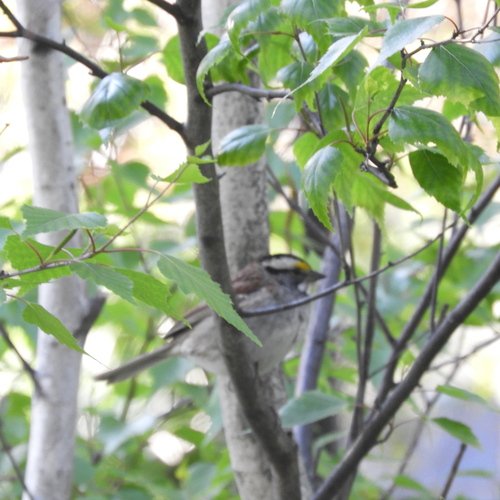
The White-throated Sparrow has a striking head pattern with bold black and white (or tan) stripes, a bright white throat, and distinctive yellow patches between its eyes and bill. Its body is mostly brownish-gray, distinguishing it from many other sparrows.
Category
BirdsRarity
Common
Danger
1/5 · Very low
Snaps
144
Some sparrows have bright white head stripes, while others show duller tan ones!
Their song sounds like 'Old Sam Peabody, Peabody, Peabody,' making them easy to identify!
They can sing two different notes at once, thanks to a special voice box!
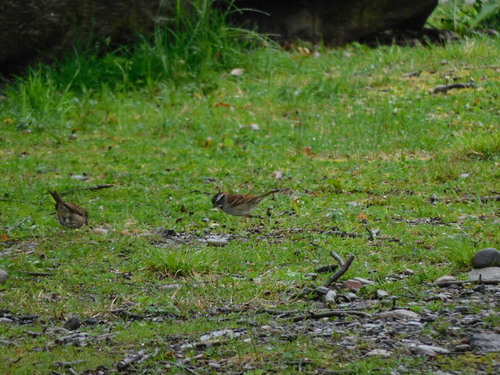
They scratch backward with both feet at once to find hidden seeds and insects!
White-throated Sparrows have a clear, whistling song that sounds like 'Oh, sweet Canada, Canada, Canada' that helps people identify them.
White-throated Sparrows can hop backward with both feet at once to uncover hidden seeds and insects from leaf litter.
White-throated Sparrows have two distinct head stripe patterns (white-striped and tan-striped) that influence their social behavior.
These omnivores eat many kinds of seeds and insects, especially during breeding season.
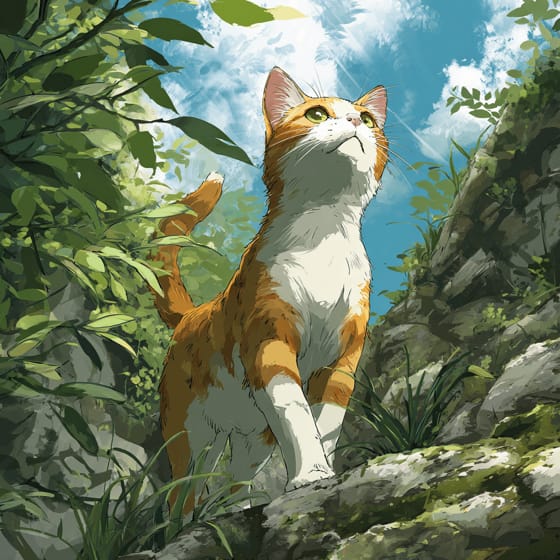
Felis catus
Cats are a significant predator, especially near human settlements.

Accipiter striatus
A swift hawk that preys on small songbirds like the sparrow.
Vaccinium corymbosum
They forage on ripe blueberries and other wild fruits.

Picea glauca
Dense conifer forests provide nesting and roosting sites.
Wildlife encompasses all undomesticated animal and plant life existing in their natural habitats.
Feathered describes animals, primarily birds, possessing a covering of feathers.
Social animals live in organized groups, cooperating for survival benefits such as foraging, defense, and raising offspring.
This trait identifies organisms whose diet includes both plant and animal matter.

Singing animals produce complex vocalizations, often for purposes of attracting mates, defending territory, or communicating within their species.

Forest habitats are terrestrial environments dominated by dense tree cover, supporting a high diversity of plant and animal life.

Diurnal animals are primarily active during daylight hours, typically resting or sleeping at night.
Danger
1/5 · Very low
Always enjoy watching birds from a distance. They are wild animals and should not be touched.
The easiest way to identify White-throated Sparrow is to use the Snappit nature identifier app.
15-18 cm
20-25 cm
0.022-0.03 kg
2-10 years
40 km/h
These omnivores eat many kinds of seeds and insects, especially during breeding season.
Forests, gardens, and parks
Zoom in to split clusters and explore where this object has been snapped.
May 8, 2026
Hunters PointPhoto attribution
(c) foxsu, some rights reserved (CC BY)
License: CC BY 4.0 ↗
Image may be shown cropped inside the card frame.
Apr 25, 2026
McDade ParkPhoto attribution
no rights reserved
License: CC0 1.0 ↗
Image may be shown cropped inside the card frame.

Michigan, US
You might spot Eastern Gray Squirrel, Tree-Of-Heaven, and House Sparrow.
View guide →

Michigan, US
You might spot Monarch, Canada Goose, and Eastern Gray Squirrel.
View guide →

New York, US
You might spot White Snakeroot, Rock Pigeon, and Eastern Gray Squirrel.
View guide →
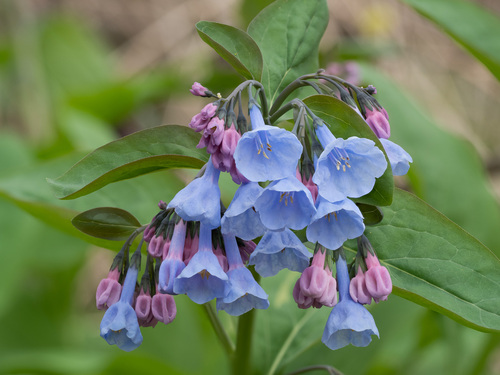
Virginia, US
You might spot Virginia Bluebells and Virginia Springbeauty.
View guide →

South Dakota, US
You might spot Duck, Canada Goose, and Thirteen-Lined Ground Squirrel.
View guide →

Michigan, US
You might spot Monarch, Canada Goose, and Eastern Gray Squirrel.
View guide →
Take the discovery with you
Snap it with Snappit to identify it, learn what makes it special, and add the discovery to your collection.





.jpg&width=800)








