





Silky Lupine
Lupinus sericeus
Silky Lupine is a beautiful flower with soft, silky leaves and colorful blooms. It grows in sunny places and attracts butterflies and bees, making it a happy spot in nature!
Habitat: Grasslands
The Silky Lupine has tall, dense spikes of pea-like flowers, often vibrant purple, blue, or sometimes white. Its distinctive leaves are covered in fine, silvery hairs, giving the plant a soft, fuzzy, and silvery-green appearance.
Category
PlantsRarity
Common
Danger
1/5 · Very low
Snaps
1
Its seeds can stay dormant underground for decades, patiently waiting for the right conditions to sprout!
Many Native American tribes used parts of the Silky Lupine for various traditional purposes.
Silky Lupine flowers are like a special landing strip, guiding bees to their sweet, nutritious nectar!
This plant's super deep roots help it survive long droughts by finding water far underground!
Silky Lupine can enrich the soil with nitrogen, acting like a natural fertilizer, which helps other plants grow too.
Silky Lupine has fuzzy leaves that trap moisture and a deep taproot, helping it survive in dry, sunny environments.
Silky Lupine produces bitter, toxic chemicals, especially in its seeds, deterring many hungry animals from eating them.
Apis mellifera
Collects nectar and pollen from its flowers.

Bombus impatiens
Visits flowers for nectar and helps spread pollen.
Rhizobium leguminosarum
Forms root nodules to fix nitrogen for the plant.
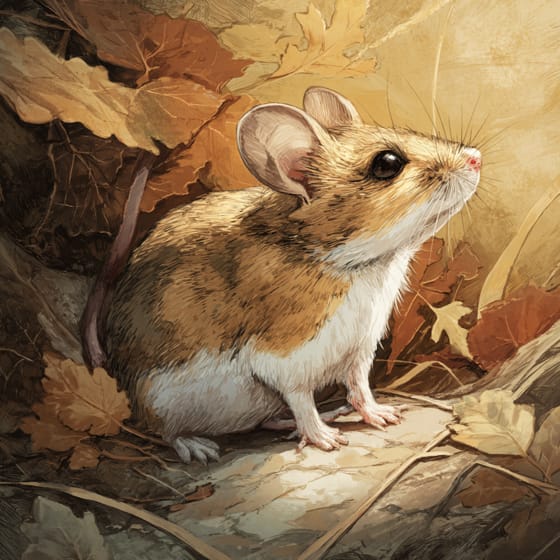
Peromyscus maniculatus
May consume seeds, despite their toxicity to some.
Flowering plants are any plants that produce flowers as part of their reproductive cycle.
Describes organisms capable of converting atmospheric nitrogen into compounds usable by plants.
Spring blooming plants produce their flowers during the spring season, often signifying the end of winter and the start of new growth.
Fragrant flowers emit a pleasant aroma, often to attract pollinators or for defense.

Colorful describes organisms or objects displaying a wide range of bright and distinct colors.

Grassland habitats are terrestrial biomes dominated by grasses and herbaceous plants, supporting a variety of grazing animals.

Describes plants that are particularly attractive and beneficial to a wide range of pollinating organisms.
No aliases listed yet.
Danger
1/5 · Very low
Do not eat any flowers or plants without asking an adult first.
The easiest way to identify Silky Lupine is to use the Snappit nature identifier app.
30-75 cm
15-30 cm
1-1.5 cm
Late spring to mid-summer
No
Moderate
Perennial
Zoom in to split clusters and explore where this object has been snapped.

Washington, US
You might spot Duck, Common Alkanet, and Arrowleaf Balsamroot.
View guide →
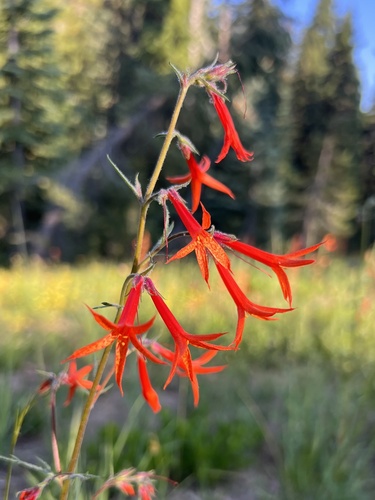
British Columbia, CA
You might spot Scarlet Gilia, Great Blanketflower, and Solomon's Plume.
View guide →
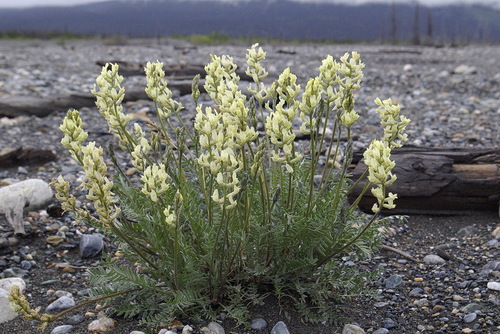
British Columbia, CA
You might spot Field Locoweed, Silky Lupine, and Wax Currant.
View guide →
Take the discovery with you
Snap it with Snappit to identify it, learn what makes it special, and add the discovery to your collection.








.jpg&width=800)


_001.jpg&width=800)




