





silver beachweed
Ambrosia chamissonis
Silver beachweed is a plant that grows in sandy places near the ocean. Its leaves are silvery and can help protect the beach from wind and waves.
Habitat: Coastal areas
The silver beachweed has distinctive silvery-green leaves, densely covered in fine hairs, giving it a soft, frosted appearance. It grows low to the ground with a sprawling habit and produces small, inconspicuous greenish-yellow flowers.
Category
PlantsRarity
Common
Danger
1/5 · Very low
Snaps
Be the first to snap!
It's a 'pioneer species,' one of the first to colonize bare ground!
Its pollen, like its cousin ragweed, often makes people sneeze!
Its tiny seeds can drift on ocean currents to find new homes!
This tough plant helps new sand dunes begin to form on the coast!
Silver beachweed has fuzzy, silvery leaves that reflect harsh sunlight, helping it stay cool and conserve precious water in sunny coastal areas.
Silver beachweed can develop strong, widespread roots that grip sandy soil, preventing beach erosion during strong winds and waves.
Silver beachweed can tolerate high levels of salt spray from the ocean, allowing it to thrive where most other plants cannot.
Eucosma agricolana
Larvae feed on the leaves and stems of beachweed plants.
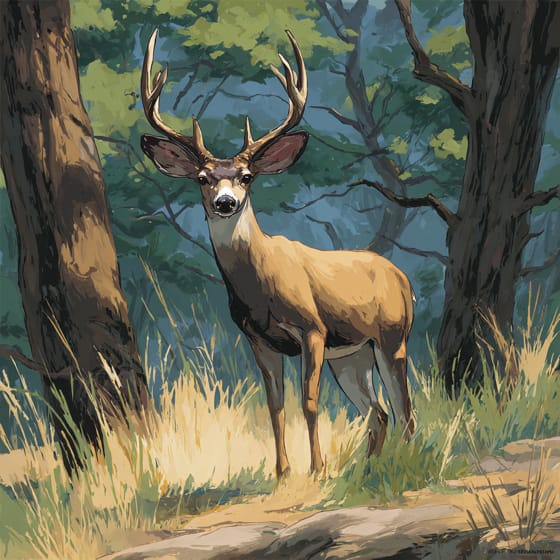
Odocoileus hemionus
Coastal deer occasionally browse its foliage when other food is scarce.
.jpg&width=800)
Microtus californicus
Small coastal rodents might nibble on its leaves and stems.
Flowering plants are any plants that produce flowers as part of their reproductive cycle.
Evergreen plants retain their foliage throughout the year, never shedding all their leaves at once.
Salt tolerant plants can withstand and grow in conditions with elevated salinity levels in the soil or water.
Drought-tolerant plants can survive and flourish in conditions with limited water availability.

Describes plants that are particularly attractive and beneficial to a wide range of pollinating organisms.

Coastal habitats are dynamic environments located along the interface between land and sea, influenced by tides, waves, and saltwater.

Describes a species whose presence and role have a disproportionately large effect on its environment.
No aliases listed yet.
Danger
1/5 · Very low
Always look but don't touch plants without asking an adult.
The easiest way to identify silver beachweed is to use the Snappit nature identifier app.
10-60 cm
30-100 cm
0.1-0.3 cm
Summer to fall
No
Mild
Perennial
Zoom in to split clusters and explore where this object has been snapped.
Recent snaps will appear here as new observations are added.
Take the discovery with you
Snap it with Snappit to identify it, learn what makes it special, and add the discovery to your collection.








.jpg&width=800)



_001.jpg&width=800)



