.jpg&width=800)





Silvery lutung
Trachypithecus cristatus
The silvery lutung is a playful monkey with shiny silver fur and a long tail! They love to swing in trees and are often seen in groups, having fun together.
Habitat: Forests
The Silvery lutung has soft, silvery-grey fur covering most of its body, often darker on its hands and feet, and a distinctive crest of hair on its head. Its face is hairless and black, contrasting sharply with its vibrant coat, and babies are born bright orange!
Category
MammalsRarity
Common
Danger
2/5 · Low
Snaps
Be the first to snap!
Baby silvery lutungs are born bright orange, but turn silver as they grow up!
Silvery lutungs help forests by eating leaves and spreading seeds from fruits.
Their long tails are not for swinging, but for amazing balance while leaping!
These monkeys live in big groups with many females and their adorable offspring.
Silvery lutung can leap up to 10 meters between trees because of their strong legs and long tail that helps them balance.
Silvery lutung mothers often share their babies with other females, which helps the whole group learn about raising young.
Silvery lutungs can make loud whistling calls that alert their group to danger, helping everyone quickly find safety.
These monkeys mostly munch on leaves, but also enjoy fruits and flowers for a varied diet!
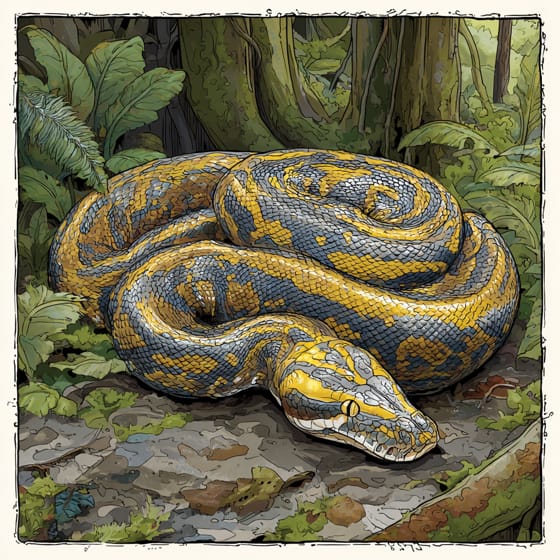
Python reticulatus
Hunts young lutungs and sometimes adults in their forest habitat.
Ficus racemosa
Provides essential leaves and fruits, a significant part of their diet.
Nisaetus cirrhatus
Preys on young or smaller lutungs from above the canopy.
Furry describes animals possessing a dense covering of soft hair or fur.
Social animals live in organized groups, cooperating for survival benefits such as foraging, defense, and raising offspring.
This trait characterizes organisms whose diet consists entirely or primarily of plant material.
Forest habitats are terrestrial environments dominated by dense tree cover, supporting a high diversity of plant and animal life.

Diurnal animals are primarily active during daylight hours, typically resting or sleeping at night.

Describes a species whose presence and role have a disproportionately large effect on its environment.

Endangered status indicates a species is at a very high risk of extinction in the wild in the near future.
Danger
2/5 · Low
Always watch from a distance and never try to touch wild animals.
The easiest way to identify Silvery lutung is to use the Snappit nature identifier app.
46-56 cm
5-8 kg
15-25 years
25 km/h
These monkeys mostly munch on leaves, but also enjoy fruits and flowers for a varied diet!
Forests
Foraging
Zoom in to split clusters and explore where this object has been snapped.
Recent snaps will appear here as new observations are added.
Take the discovery with you
Snap it with Snappit to identify it, learn what makes it special, and add the discovery to your collection.




.jpg&width=800)

.JPG&width=800)


.jpg&width=800)
